
The real estate market in 2021 was characterized by a unique confluence of factors that shaped buyer behavior, investment strategies, and overall market dynamics. As the world began to emerge from the grips of the COVID-19 pandemic, the real estate landscape underwent significant transformations. The year was marked by a surge in demand for housing, driven by low mortgage rates, changing lifestyle preferences, and a renewed focus on home as a sanctuary.
This period saw a remarkable interplay between economic recovery efforts and the evolving needs of consumers, leading to trends that would redefine the market for years to come. In 2021, the real estate sector experienced a notable increase in home prices, with many regions witnessing double-digit appreciation rates. This phenomenon was fueled by a combination of limited housing inventory and heightened buyer interest.

The pandemic had prompted many individuals and families to reassess their living situations, leading to an unprecedented demand for homes that could accommodate remote work and provide more space for leisure and family activities. As a result, the real estate market became a focal point of economic activity, reflecting broader societal shifts and the resilience of the housing sector amidst uncertainty.
Key Takeaways
- The 2021 real estate market was significantly shaped by the COVID-19 pandemic and changing buyer preferences.
- Remote work led to increased demand for suburban homes with more space and home office options.
- Technology advancements streamlined real estate transactions, making virtual tours and digital closings more common.
- Sustainability and green features became important factors influencing homebuyer decisions.
- Future market trends suggest continued growth in suburban areas and greater integration of technology in real estate.
Impact of the COVID-19 Pandemic on the Real Estate Market

The COVID-19 pandemic had a profound impact on the real estate market, reshaping it in ways that were both immediate and long-lasting. Initially, the onset of the pandemic led to a temporary slowdown in transactions as lockdowns and social distancing measures were implemented. Many buyers and sellers hesitated to engage in real estate activities due to health concerns and economic uncertainty.
However, as the year progressed and vaccination efforts gained momentum, the market rebounded with remarkable vigor. The pent-up demand from buyers who had delayed their plans during the early months of the pandemic contributed to a surge in activity. One of the most significant effects of the pandemic was the acceleration of digital transformation within the real estate industry.
Virtual tours, online listings, and remote closings became commonplace as agents and buyers adapted to new realities. This shift not only facilitated transactions during periods of social distancing but also expanded access to properties for buyers who may have previously been limited by geographical constraints. The pandemic underscored the importance of technology in real estate, paving the way for innovations that would continue to shape the industry long after the crisis had subsided.
Shifts in Homebuyer Preferences and Demands
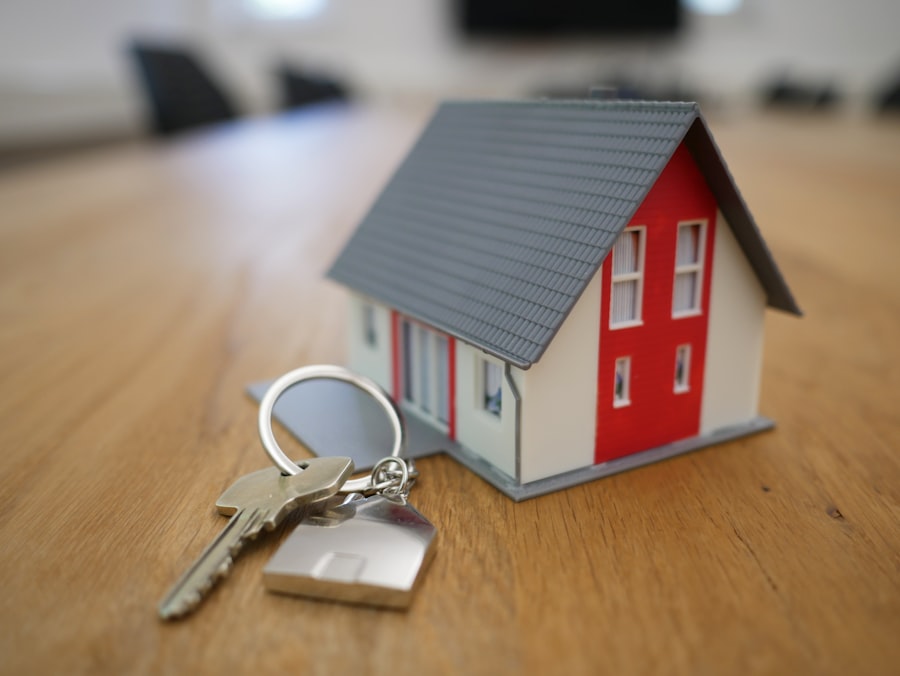
As a direct consequence of the pandemic, homebuyer preferences underwent a seismic shift in 2021. The desire for more space became paramount, with many buyers seeking homes that could accommodate home offices, recreational areas, and outdoor spaces. The traditional notion of what constituted an ideal home evolved, with features such as dedicated workspaces and larger backyards gaining prominence.
Buyers increasingly prioritized functionality and comfort over proximity to urban centers, reflecting a broader trend toward lifestyle-oriented living. Additionally, there was a marked increase in interest for properties located in suburban and rural areas. As remote work became more entrenched in corporate culture, many individuals found themselves free from the constraints of commuting to city offices.
This newfound flexibility allowed them to explore housing options beyond metropolitan areas, leading to increased demand for homes in less densely populated regions. The appeal of lower housing costs, access to nature, and a sense of community became driving factors for many buyers seeking their next home.
Rise of Remote Work and its Influence on Housing Choices
| Metric | Data/Value | Source/Year | Notes |
|---|---|---|---|
| Percentage of Remote Workers in US | 45% | Gallup, 2023 | Workers who do at least some work remotely |
| Increase in Suburban Home Sales | 18% | NAR, 2022 | Compared to pre-pandemic levels |
| Average Commute Time Reduction | 30 minutes/day | US Census Bureau, 2023 | Remote workers saved commute time |
| Percentage of Remote Workers Relocating | 25% | Pew Research, 2023 | Moved to different city or state due to remote work |
| Increase in Home Office Space Demand | 40% | Zillow, 2023 | Buyers seeking dedicated workspace at home |
| Average Increase in Home Size | 12% | Redfin, 2023 | Remote workers prefer larger homes |
| Percentage of Remote Workers Choosing Rural Areas | 15% | Urban Institute, 2023 | Shift from urban to rural living |
The rise of remote work was one of the most transformative trends in 2021, fundamentally altering housing choices for millions of Americans. As companies adapted to new work models during the pandemic, employees discovered that they could perform their jobs effectively from home. This shift not only changed daily routines but also influenced where people chose to live.
With the elimination of long commutes and the flexibility to work from anywhere, many individuals began prioritizing homes that offered more space and amenities conducive to remote work. The implications of this trend were profound. Buyers sought properties with dedicated office spaces or rooms that could be easily converted into work areas.
Additionally, high-speed internet access became a non-negotiable requirement for many homebuyers, as reliable connectivity was essential for remote work success. The demand for homes with multiple bedrooms increased significantly, as families needed room for both work and leisure activities within their living spaces. This shift highlighted how work-life balance considerations were now integral to housing decisions.
Technology’s Role in Real Estate Transactions
In 2021, technology played an increasingly pivotal role in real estate transactions, revolutionizing how buyers and sellers interacted with the market. The pandemic accelerated the adoption of digital tools that facilitated virtual property tours, online listings, and remote closings. Real estate agents leveraged technology to create immersive experiences for potential buyers, allowing them to explore properties from the comfort of their homes.
Virtual reality (VR) tours became popular, enabling buyers to visualize spaces without physically visiting them. Moreover, advancements in data analytics transformed how real estate professionals approached market analysis and pricing strategies. Access to real-time data allowed agents to provide clients with insights into market trends, neighborhood dynamics, and property valuations.
This data-driven approach empowered buyers and sellers to make informed decisions based on comprehensive information rather than relying solely on anecdotal evidence or traditional methods. As technology continued to evolve, it became clear that its integration into real estate transactions would remain a defining feature of the industry.
Sustainability and Green Features in Real Estate

Sustainability emerged as a significant consideration for homebuyers in 2021, reflecting a growing awareness of environmental issues and a desire for eco-friendly living. Many buyers actively sought homes with green features such as energy-efficient appliances, solar panels, and sustainable building materials. The pandemic heightened awareness of health and wellness, leading individuals to prioritize homes that not only reduced their carbon footprint but also promoted healthier living environments.
Developers responded to this demand by incorporating sustainable practices into new construction projects. Green certifications such as LEED (Leadership in Energy and Environmental Design) became more prevalent as builders recognized the value of marketing eco-friendly properties. Additionally, existing homeowners began investing in renovations aimed at improving energy efficiency and reducing utility costs.
The trend toward sustainability not only aligned with personal values but also represented a long-term investment strategy as energy-efficient homes often commanded higher resale values.
The dichotomy between urban and suburban real estate trends became increasingly pronounced in 2021 as buyers reevaluated their living situations in light of changing circumstances. While urban areas had long been synonymous with vibrant lifestyles and cultural amenities, many individuals began gravitating toward suburban locales that offered more space and affordability. The pandemic prompted a reassessment of what constituted an ideal living environment; thus, suburban areas experienced a surge in demand as families sought larger homes with outdoor spaces.
However, urban markets were not entirely abandoned; instead, they underwent transformations that reflected evolving preferences. Many cities adapted by enhancing outdoor spaces, promoting walkability, and investing in community amenities that catered to residents’ needs during the pandemic. Urban dwellers sought properties that provided access to parks, recreational facilities, and local businesses while still being mindful of health considerations.
This duality highlighted how both urban and suburban markets could coexist while catering to diverse buyer preferences.
Predictions for the Future of the Real Estate Market
Looking ahead, several predictions can be made regarding the future trajectory of the real estate market beyond 2021. One key trend is likely to be continued demand for remote work-friendly homes as companies solidify flexible work arrangements. This may lead to sustained interest in suburban properties that offer larger living spaces at competitive prices compared to urban centers.
As remote work becomes ingrained in corporate culture, buyers will likely prioritize homes that accommodate their evolving lifestyles. Additionally, technology will continue to play an integral role in shaping real estate transactions. Innovations such as blockchain technology may streamline processes like title transfers and property transactions while enhancing transparency within the industry.
Furthermore, advancements in artificial intelligence (AI) could revolutionize property management by automating tasks such as tenant screening and maintenance requests. Sustainability will remain at the forefront of buyer preferences as environmental consciousness continues to grow among consumers. Homes equipped with green features will likely command premium prices as buyers seek properties that align with their values while also providing long-term cost savings through energy efficiency.
In summary, while 2021 was marked by unique challenges and opportunities within the real estate market due to the COVID-19 pandemic, it also set the stage for lasting changes that will influence buyer behavior and industry practices for years to come. The interplay between technology, sustainability, remote work trends, and shifting preferences will shape an evolving landscape where adaptability will be key for both buyers and sellers navigating this dynamic environment.