
The 2022 housing market was characterized by a complex interplay of factors that shaped the buying and selling landscape across the United States. Following the unprecedented disruptions caused by the COVID-19 pandemic, the housing sector experienced a remarkable rebound, driven by low mortgage rates, a surge in demand, and a limited supply of homes. This environment created a highly competitive market, where bidding wars became commonplace, and home prices soared to record highs.
The dynamics of the market were not uniform across the country; instead, they varied significantly by region, influenced by local economic conditions, demographic shifts, and changing consumer preferences. As the year progressed, the Federal Reserve’s monetary policy began to shift in response to rising inflation, leading to increased interest rates. This shift had profound implications for homebuyers and sellers alike.

The once-favorable borrowing conditions that fueled the housing boom started to wane, prompting many potential buyers to reassess their purchasing power and timelines. The 2022 housing market thus became a study in contrasts: while some areas continued to see robust demand and escalating prices, others began to experience a cooling effect as affordability concerns took center stage.
Key Takeaways
- The 2022 housing market was shaped by unique economic conditions and shifting buyer preferences.
- Remote work significantly increased demand for homes in suburban and rural areas.
- Housing inventory remained low, driving up prices across many regions.
- Government policies played a crucial role in influencing market dynamics and affordability.
- Experts advise buyers and sellers to stay informed about regional trends and economic forecasts.
Economic Factors Affecting the Housing Market

Several economic factors played pivotal roles in shaping the 2022 housing market. One of the most significant was the trajectory of interest rates. Throughout much of 2021, mortgage rates hovered near historic lows, enticing many first-time buyers and investors to enter the market.
However, as inflationary pressures mounted, the Federal Reserve signaled its intention to raise interest rates to curb rising prices. By mid-2022, mortgage rates had climbed significantly, reaching levels not seen in years. This increase had a direct impact on affordability; higher rates meant higher monthly payments, which in turn limited the purchasing power of many buyers.
In addition to interest rates, inflation itself was a critical economic factor influencing the housing market. The Consumer Price Index (CPI) saw substantial increases in 2022, affecting everything from construction costs to consumer confidence. Rising prices for materials such as lumber and steel contributed to higher home construction costs, which were then passed on to buyers.
Furthermore, inflation eroded purchasing power, leading many potential homebuyers to reconsider their options or delay their purchases altogether. The combination of rising costs and increasing interest rates created a challenging environment for both buyers and sellers, as many found themselves navigating a market that was rapidly changing.
Homebuyer Trends and Preferences

The preferences of homebuyers in 2022 reflected broader societal shifts that had been accelerated by the pandemic. One notable trend was an increased demand for larger homes with dedicated office spaces. As remote work became more entrenched in corporate culture, many buyers sought properties that could accommodate their new work-from-home lifestyles.
This shift led to heightened interest in suburban and rural areas, where larger homes with more outdoor space were often more affordable than their urban counterparts. Additionally, sustainability became an increasingly important consideration for many homebuyers. Eco-friendly features such as energy-efficient appliances, solar panels, and sustainable building materials gained traction as buyers sought homes that aligned with their values.
This trend was not only driven by personal preferences but also by a growing awareness of climate change and its implications for future living conditions. As a result, homes that offered green certifications or energy-efficient upgrades often commanded higher prices and attracted more competitive offers.
Impact of Remote Work on Housing Demand
| Metric | Pre-Remote Work (2019) | Post-Remote Work (2023) | Change (%) | Notes |
|---|---|---|---|---|
| Urban Housing Demand Index | 100 | 85 | -15% | Decrease due to migration to suburbs and rural areas |
| Suburban Housing Demand Index | 100 | 130 | +30% | Increased demand as remote workers seek more space |
| Rural Housing Demand Index | 100 | 115 | +15% | Growth driven by affordability and lifestyle changes |
| Average Home Size (sq ft) | 1,200 | 1,450 | +20.8% | Remote workers prioritize larger homes for office space |
| Home Price Growth Rate | 3.5% | 7.2% | +3.7% | Faster price growth in suburban and rural markets |
| Percentage of Buyers Seeking Home Office | 25% | 60% | +35% | Remote work increases demand for dedicated office space |
The rise of remote work fundamentally altered housing demand patterns in 2022. As companies embraced flexible work arrangements, employees were no longer tethered to specific geographic locations for their jobs. This newfound freedom allowed many individuals and families to explore housing options beyond traditional urban centers.
Suburban areas and smaller cities became increasingly attractive as buyers sought more space and a better quality of life. The impact of remote work was particularly pronounced in markets that had previously been considered secondary or tertiary locations. Cities that offered lower costs of living, access to nature, and a slower pace of life saw an influx of new residents seeking a change from urban environments.
For instance, places like Boise, Idaho; Austin, Texas; and Asheville, North Carolina experienced significant population growth as remote workers flocked to these areas. This migration not only affected housing demand but also led to rising home prices in these once-affordable markets.
Predictions for Housing Inventory and Prices
As 2022 unfolded, experts began to make predictions about the future of housing inventory and prices. Many analysts anticipated that inventory levels would remain constrained due to several factors, including ongoing supply chain disruptions and labor shortages in the construction industry. With fewer new homes being built and existing homeowners hesitant to sell amid rising interest rates, the overall supply of available homes was expected to remain tight.
In terms of pricing, forecasts varied widely depending on regional dynamics and local economic conditions. While some markets were projected to continue experiencing price appreciation due to strong demand and limited supply, others were expected to see price stabilization or even declines as affordability challenges mounted. The divergence in predictions highlighted the importance of localized analysis; what might be true for one city or region could be entirely different for another.
Regional Variations in the Housing Market
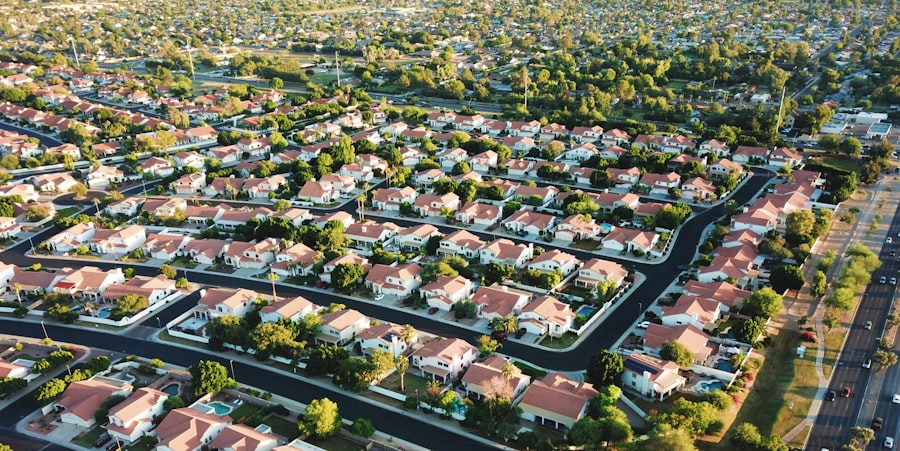
The 2022 housing market was marked by significant regional variations that reflected local economic conditions, demographic trends, and consumer preferences. In coastal cities like San Francisco and New York City, for example, the market began to show signs of cooling as remote work allowed residents to leave high-cost urban areas in search of more affordable living options. These cities experienced a decline in demand for rental properties and a slowdown in home sales as buyers sought alternatives elsewhere.
Conversely, regions such as the Southeast and Southwest saw robust growth fueled by an influx of new residents seeking warmer climates and lower costs of living. States like Florida and Texas became magnets for those relocating from higher-cost states, driving up demand for single-family homes and leading to significant price increases. The disparity between these regions underscored the importance of understanding local market dynamics when evaluating housing trends.
Government Policies and Their Influence on the Housing Market
Government policies played a crucial role in shaping the housing market landscape in 2022. The Federal Reserve’s monetary policy decisions regarding interest rates had immediate effects on mortgage lending practices and overall affordability for homebuyers. Additionally, various state and local governments implemented policies aimed at addressing housing shortages and affordability challenges.
For instance, some jurisdictions introduced measures such as zoning reforms to facilitate increased housing development or incentives for builders to create affordable housing units. These policies aimed to alleviate some of the pressure on inventory levels while addressing concerns about housing accessibility for low- and moderate-income families. However, the effectiveness of these initiatives varied widely based on local political climates and community support.
Expert Recommendations for Homebuyers and Sellers
As the 2022 housing market evolved, experts offered valuable recommendations for both homebuyers and sellers navigating this complex landscape. For buyers, it was essential to conduct thorough research on local market conditions and be prepared for potential bidding wars in competitive areas. Understanding one’s budget and securing pre-approval for a mortgage were critical steps in positioning oneself favorably in a fast-paced market.
Sellers were advised to focus on enhancing their property’s appeal through strategic improvements and staging techniques that could attract potential buyers. Given the competitive nature of the market, pricing homes appropriately based on comparable sales data was crucial for maximizing returns while minimizing time on the market. Additionally, sellers were encouraged to remain flexible with negotiations, as buyers increasingly sought concessions such as closing cost assistance or repairs before finalizing transactions.
In summary, navigating the 2022 housing market required a nuanced understanding of various factors influencing buyer behavior, economic conditions, regional dynamics, and government policies. As both buyers and sellers adapted to this evolving landscape, expert insights provided essential guidance for making informed decisions in an ever-changing environment.