
To effectively market any product or service, a deep understanding of the target market is essential. This involves not only identifying who the potential customers are but also delving into their preferences, behaviors, and pain points. For instance, in the real estate sector, understanding the demographics of potential buyers—such as age, income level, family size, and lifestyle choices—can significantly influence marketing strategies.
A young couple looking for their first home may prioritize affordability and proximity to urban amenities, while a family with children might focus on school districts and safety. By segmenting the market into distinct groups, businesses can tailor their messaging and offerings to resonate more deeply with each segment. Moreover, understanding the target market extends beyond demographics to include psychographics, which encompass values, interests, and lifestyle choices.

For example, eco-conscious buyers may be drawn to properties that feature sustainable building materials or energy-efficient appliances. Conducting surveys, focus groups, or utilizing data analytics can provide valuable insights into these aspects. By gathering this information, businesses can create detailed buyer personas that guide their marketing efforts.
This strategic approach not only enhances customer engagement but also increases the likelihood of conversion by ensuring that marketing messages are relevant and appealing to the intended audience.
Key Takeaways
- Identify and analyze your target market to tailor marketing strategies effectively.
- Build a compelling online presence through a professional website and active social media profiles.
- Use social media platforms to engage with potential clients and showcase listings.
- Implement targeted email marketing campaigns to nurture leads and maintain client relationships.
- Enhance visibility by hosting open houses, partnering with local businesses, and using professional photography and staging.

Creating a Strong Online Presence
In today’s digital age, establishing a robust online presence is non-negotiable for any business aiming to thrive. A well-designed website serves as the cornerstone of this presence, acting as a virtual storefront where potential customers can learn about products or services. The website should be user-friendly, mobile-responsive, and optimized for search engines to ensure visibility.
Incorporating high-quality content that addresses customer needs and questions can enhance user experience and improve search rankings. For instance, a real estate agency might include neighborhood guides, market analysis reports, and blog posts about home-buying tips to attract visitors and establish authority in the field. Beyond a functional website, businesses should also consider their presence on various online platforms.
This includes maintaining active profiles on review sites like Yelp or Google My Business, where customer feedback can significantly influence potential buyers’ perceptions. Engaging with customers through these platforms not only builds credibility but also fosters trust. Additionally, leveraging online advertising through pay-per-click (PPC) campaigns or social media ads can further enhance visibility and drive traffic to the website.
By strategically investing in online marketing efforts, businesses can reach a broader audience and convert leads into loyal customers.
Utilizing Social Media Platforms

Social media has revolutionized the way businesses interact with their customers, providing a dynamic platform for engagement and brand building. Each social media platform offers unique opportunities for reaching different segments of the target market. For instance, Instagram is particularly effective for visually-driven industries like real estate, where stunning property images can captivate potential buyers.
By sharing high-quality photos and engaging stories about properties, agents can create an emotional connection with their audience. Additionally, utilizing features such as Instagram Stories or Reels can showcase properties in a more interactive format, allowing potential buyers to experience listings in real-time. Facebook remains a powerful tool for community engagement and targeted advertising.
Real estate agents can create dedicated business pages to share listings, client testimonials, and local market updates. The platform’s advertising capabilities allow for precise targeting based on demographics, interests, and behaviors, ensuring that marketing messages reach the right audience. Furthermore, hosting live Q&A sessions or virtual tours on Facebook can foster direct interaction with potential buyers, answering their questions in real-time and building rapport.
By leveraging the unique features of each social media platform, businesses can enhance their visibility and create meaningful connections with their audience.
Implementing Email Marketing Campaigns
| Metric | Description | Typical Range | Importance |
|---|---|---|---|
| Open Rate | Percentage of recipients who open the email | 15% – 30% | High |
| Click-Through Rate (CTR) | Percentage of recipients who click on links within the email | 2% – 10% | High |
| Conversion Rate | Percentage of recipients who complete a desired action (purchase, signup) | 1% – 5% | High |
| Bounce Rate | Percentage of emails that could not be delivered | Less than 2% | Medium |
| Unsubscribe Rate | Percentage of recipients who opt out from the mailing list | Less than 0.5% | Medium |
| List Growth Rate | Rate at which the email list is growing | 1% – 5% monthly | Medium |
| Spam Complaint Rate | Percentage of recipients marking the email as spam | Less than 0.1% | High |
| ROI (Return on Investment) | Revenue generated compared to campaign cost | Varies widely | High |
Email marketing remains one of the most effective tools for nurturing leads and maintaining customer relationships. A well-crafted email campaign can keep potential buyers informed about new listings, market trends, and valuable resources. To maximize effectiveness, businesses should segment their email lists based on customer preferences and behaviors.
For example, first-time homebuyers may benefit from educational content about the buying process, while seasoned investors might appreciate insights into market forecasts or investment opportunities. Personalization is key in email marketing; addressing recipients by name and tailoring content to their specific interests can significantly increase engagement rates. Additionally, incorporating visually appealing designs and clear calls-to-action can enhance the overall effectiveness of email campaigns.
Regular newsletters that provide valuable content—such as home maintenance tips or local event information—can keep the audience engaged over time. By consistently delivering relevant information through email marketing, businesses can build trust and encourage repeat interactions with potential clients.
Leveraging Local Advertising Opportunities
Local advertising presents a unique opportunity for businesses to connect with their community and attract nearby customers. Traditional methods such as print ads in local newspapers or magazines can still be effective in reaching specific demographics that may not be as active online. Additionally, sponsoring local events or community initiatives can enhance brand visibility while demonstrating a commitment to the community.
For instance, a real estate agency might sponsor a local charity run or participate in community fairs to engage with residents directly. Moreover, outdoor advertising such as billboards or bus stop ads can capture the attention of passersby in high-traffic areas. These advertisements should be visually striking and convey a clear message about the services offered.
Collaborating with local radio stations for advertising spots or interviews can also help reach a broader audience while establishing credibility within the community. By strategically utilizing local advertising opportunities, businesses can create a strong presence within their target market and foster lasting relationships with potential customers.
Hosting Open Houses and Events
Open houses serve as an invaluable tool for real estate agents to showcase properties while providing potential buyers with an immersive experience. These events allow interested parties to explore homes in a relaxed setting while asking questions directly to the agent. To maximize attendance at open houses, agents should promote these events through various channels—social media posts, email invitations, and local community boards can all be effective methods of outreach.
Creating an inviting atmosphere with refreshments and informative materials can further enhance the experience for attendees. In addition to open houses, hosting community events such as homebuyer seminars or workshops can position agents as knowledgeable resources within the industry. These events provide valuable information while allowing agents to connect with potential clients on a personal level.
For example, a seminar on navigating the mortgage process could attract first-time buyers eager for guidance. By offering educational opportunities alongside property showcases, businesses can build trust and establish themselves as go-to experts in their field.
Partnering with Local Businesses and Organizations
Collaborating with local businesses and organizations can amplify marketing efforts while fostering community relationships. Real estate agents might partner with mortgage brokers, home inspectors, or interior designers to create comprehensive service offerings for clients. Such partnerships not only enhance the value proposition for customers but also expand referral networks—each partner can recommend services to their respective clients, creating a mutually beneficial relationship.
Additionally, engaging with local organizations such as schools or charities can further solidify a business’s presence in the community. Sponsoring school events or participating in charity drives demonstrates a commitment to local causes while increasing brand visibility among residents. Joint marketing initiatives—such as co-hosting events or cross-promoting services—can also enhance outreach efforts.
By leveraging these partnerships effectively, businesses can tap into new audiences while reinforcing their reputation as community-oriented entities.
Utilizing Professional Photography and Staging Techniques
In real estate marketing, first impressions are paramount; thus, high-quality photography is essential for showcasing properties effectively. Professional photographers understand how to capture spaces in ways that highlight their best features while creating an inviting atmosphere. Utilizing natural light and strategic angles can make rooms appear more spacious and appealing to potential buyers.
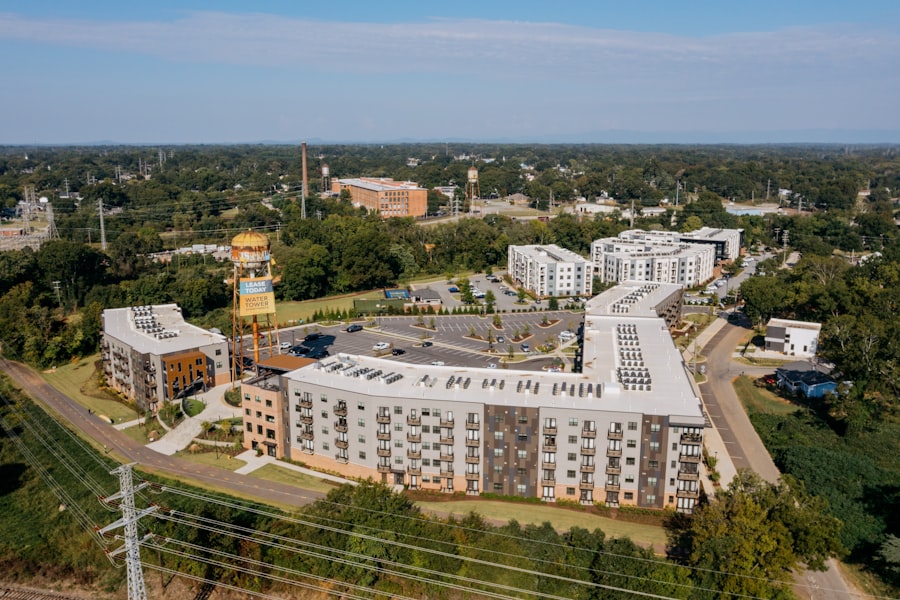
Moreover, incorporating drone photography can provide stunning aerial views of properties and surrounding neighborhoods, offering prospective buyers a unique perspective. Staging techniques also play a crucial role in presenting homes in their best light. Proper staging involves arranging furniture and decor to create an inviting environment that allows buyers to envision themselves living in the space.
This may include decluttering rooms, adding fresh paint or neutral colors, and incorporating tasteful decor elements that appeal to a broad audience. For instance, staging a living room with cozy furnishings and warm lighting can evoke feelings of comfort and homeliness—key factors that influence buyer decisions. By investing in professional photography and staging techniques, businesses can significantly enhance property appeal and increase the likelihood of successful sales.