
To effectively navigate the real estate landscape, it is crucial to have a comprehensive understanding of the market dynamics at play. This involves analyzing various factors such as local economic conditions, demographic trends, and housing supply and demand. For instance, in a thriving urban area where job growth is robust, one can expect a higher demand for housing, which can drive up property prices.
Conversely, in regions experiencing economic downturns or population decline, the market may favor buyers, leading to lower prices and increased inventory. Real estate professionals must stay informed about these trends through continuous research and analysis, utilizing resources such as market reports, economic forecasts, and local news. Moreover, understanding the market also entails recognizing the unique characteristics of different neighborhoods.

Each area may have its own set of amenities, schools, and community features that appeal to specific buyer demographics. For example, a neighborhood with top-rated schools may attract families, while a vibrant arts district may appeal to young professionals. By identifying these nuances, real estate agents can tailor their marketing strategies to highlight the most appealing aspects of a property, thereby attracting the right buyers.
This localized knowledge not only enhances the effectiveness of marketing efforts but also positions agents as trusted experts in their respective markets.
Key Takeaways
- Grasping market trends is essential for effective real estate marketing strategies.
- Building a robust online presence boosts visibility and attracts potential buyers.
- Leveraging social media platforms enhances engagement and broadens reach.
- Collaborating with real estate agents and hosting events can increase property exposure.
- High-quality visuals and targeted email campaigns improve marketing impact and lead generation.

Creating a Strong Online Presence
In today’s digital age, establishing a robust online presence is paramount for anyone involved in real estate. A well-designed website serves as the cornerstone of this presence, acting as a virtual storefront where potential clients can learn about services offered, browse listings, and access valuable resources. A professional website should be user-friendly, mobile-responsive, and optimized for search engines to ensure visibility.
Incorporating features such as virtual tours, detailed property descriptions, and neighborhood guides can significantly enhance user engagement and provide visitors with a comprehensive understanding of what is available. Beyond a website, engaging in content marketing through blogs and articles can further solidify an online presence. By sharing insights on market trends, home buying tips, or local events, real estate professionals can position themselves as thought leaders in the industry.
This not only builds credibility but also fosters trust among potential clients who may seek guidance during their real estate journey. Additionally, leveraging search engine optimization (SEO) techniques can help increase organic traffic to the website, making it easier for prospective buyers and sellers to find relevant information.
Utilizing Social Media Marketing

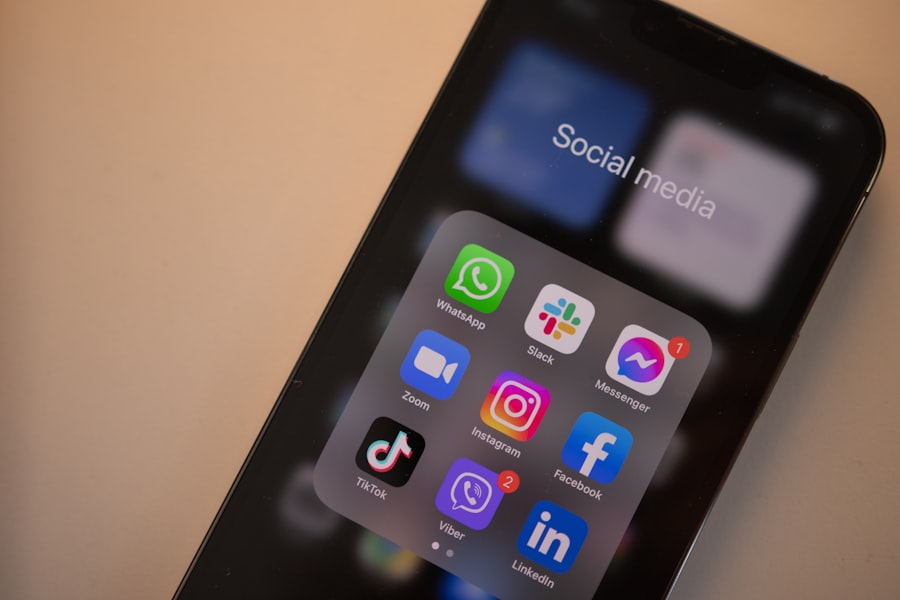
Social media platforms have revolutionized the way real estate professionals connect with potential clients. Utilizing platforms such as Facebook, Instagram, LinkedIn, and Twitter allows agents to reach a broader audience and engage with them in real-time. For instance, Instagram’s visual-centric nature makes it an ideal platform for showcasing stunning property photos and videos.
By posting high-quality images of listings along with engaging captions and relevant hashtags, agents can attract attention and generate interest among followers. Moreover, social media marketing enables real estate professionals to foster relationships with their audience. Regularly posting updates about new listings, market insights, or community events keeps followers informed and engaged.
Additionally, responding promptly to comments and messages demonstrates a commitment to customer service and builds rapport with potential clients. Live video tours or Q&A sessions on platforms like Facebook Live or Instagram Stories can further enhance engagement by providing an interactive experience that allows viewers to ask questions in real-time.
Hosting Open Houses and Events
| Metric | Description | Typical Value | Importance |
|---|---|---|---|
| Number of Attendees | Total people attending the open house or event | 20-50 | High |
| Conversion Rate | Percentage of attendees who make an inquiry or offer | 5-15% | High |
| Event Duration | Length of the open house or event in hours | 2-4 hours | Medium |
| Cost per Event | Expenses related to hosting the event (marketing, refreshments, etc.) | 100-500 | Medium |
| Follow-up Rate | Percentage of attendees contacted after the event | 70-90% | High |
| Lead Quality | Assessment of how likely attendees are to become buyers | Medium to High | High |
| Social Media Engagement | Likes, shares, and comments related to event promotion | 50-200 interactions | Medium |
Open houses remain a time-honored tradition in real estate marketing, providing an opportunity for potential buyers to experience a property firsthand. Hosting an open house requires careful planning and execution to maximize its effectiveness. This includes selecting the right time and date to attract the most visitors, ensuring the property is clean and staged to highlight its best features, and providing informative materials about the home and neighborhood.
Additionally, offering refreshments can create a welcoming atmosphere that encourages visitors to linger longer. Beyond traditional open houses, hosting themed events can also draw attention to a property or neighborhood. For example, organizing a community barbecue or a holiday-themed gathering can create a sense of community while showcasing the property in a more casual setting.
These events not only allow potential buyers to explore the home but also provide an opportunity for them to connect with neighbors and experience the lifestyle that comes with living in that area. Such initiatives can leave a lasting impression on visitors and increase the likelihood of receiving offers.
Collaborating with Real Estate Agents
Collaboration with other real estate agents can be a powerful strategy for expanding reach and enhancing marketing efforts. By partnering with agents who specialize in different areas or types of properties, one can tap into their networks and gain access to a broader pool of potential buyers. For instance, if an agent focuses on luxury homes while another specializes in first-time homebuyers, collaborating on joint marketing initiatives can create mutually beneficial opportunities.
Additionally, sharing listings through Multiple Listing Services (MLS) allows agents to showcase properties to a wider audience. This collaborative approach not only increases visibility but also fosters relationships within the industry that can lead to referrals and future partnerships. Networking events and industry conferences provide excellent opportunities for agents to connect with one another and explore potential collaborations that can enhance their business strategies.
Showcasing High-Quality Photography and Videography
In real estate marketing, first impressions are often made through visual content. High-quality photography is essential for capturing the essence of a property and enticing potential buyers. Professional photographers understand how to utilize lighting, angles, and staging techniques to highlight a home’s best features.
Properties with stunning visuals are more likely to stand out in online listings and social media feeds, attracting more interest from prospective buyers. In addition to photography, incorporating videography into marketing strategies can provide an immersive experience for viewers. Virtual tours allow potential buyers to explore a property from the comfort of their own homes, giving them a sense of space and flow that static images cannot convey.
Drone footage can also be utilized to showcase larger properties or highlight unique features such as expansive yards or proximity to local amenities. By investing in high-quality visual content, real estate professionals can significantly enhance their marketing efforts and increase the likelihood of attracting serious buyers.
Implementing Email Marketing Campaigns
Email marketing remains one of the most effective tools for nurturing leads and maintaining relationships with past clients. By building an email list through website sign-ups or open house registrations, real estate professionals can create targeted campaigns that deliver valuable content directly to their audience’s inboxes. Regular newsletters featuring market updates, new listings, or home maintenance tips keep subscribers informed and engaged while reinforcing the agent’s expertise.
Personalization is key in email marketing; addressing recipients by name and tailoring content based on their preferences can significantly improve engagement rates. For instance, if a subscriber has shown interest in family-friendly neighborhoods, sending them information about new listings in those areas or upcoming community events can demonstrate attentiveness to their needs. Additionally, incorporating compelling calls-to-action encourages recipients to take the next step—whether it’s scheduling a showing or reaching out for more information—ultimately driving conversions.
Offering Incentives and Special Promotions
Incentives and special promotions can serve as powerful motivators for potential buyers who may be on the fence about making a purchase. Offering limited-time discounts on closing costs or providing home warranties can make a property more appealing in a competitive market. For example, if an agent is representing a newly constructed home, offering incentives such as free upgrades or landscaping services can entice buyers who are considering multiple options.
Additionally, creating referral programs that reward past clients for referring new buyers can foster loyalty while expanding one’s client base. These programs not only incentivize satisfied clients to spread the word but also create a sense of community around the brand. By strategically implementing incentives and promotions tailored to target audiences, real estate professionals can enhance their marketing efforts and drive sales effectively.