
In the competitive landscape of real estate, the significance of high-quality marketing materials cannot be overstated. These materials serve as the first point of contact between potential buyers and properties, making them crucial in shaping perceptions and driving interest. High-quality marketing materials encompass a range of items, including brochures, flyers, digital listings, and signage.
When executed effectively, they not only highlight the unique features of a property but also convey the professionalism and credibility of the real estate agent or agency behind the listing. This initial impression can be the difference between a property that languishes on the market and one that attracts immediate attention. Moreover, high-quality marketing materials are essential for establishing a brand identity in a crowded marketplace.

Real estate agents who invest in professional design and production of their marketing collateral are more likely to stand out from their competitors. This differentiation is particularly important in markets where numerous agents are vying for the same clientele. By utilizing consistent branding elements—such as logos, color schemes, and typography—agents can create a cohesive image that resonates with potential buyers.
This not only enhances recognition but also builds trust, as consumers are more likely to engage with brands that present themselves professionally and consistently.
Key Takeaways
- High-quality marketing materials significantly boost real estate appeal and client trust.
- Professional photography and virtual tours create memorable, engaging property presentations.
- Well-written descriptions and customized brochures effectively highlight property features.
- Social media and digital marketing expand reach and attract potential buyers efficiently.
- Video marketing and personalized signage enhance brand visibility and market impact.

Creating a Lasting Impression with Professional Photography
The role of professional photography in real estate marketing cannot be underestimated. High-quality images are often the first thing potential buyers notice when browsing listings online or flipping through brochures. Properties that are showcased with stunning photography tend to attract more interest and generate higher engagement rates.
Professional photographers understand how to capture a property’s best angles, utilize natural light effectively, and create an inviting atmosphere that resonates with viewers. This expertise transforms ordinary spaces into visually appealing showcases that can evoke emotional responses from potential buyers. In addition to enhancing aesthetic appeal, professional photography can also provide a more accurate representation of a property.
Poorly lit or amateur photographs can mislead potential buyers, leading to disappointment during in-person viewings. Conversely, well-executed images can highlight the unique selling points of a property, such as spacious layouts, modern finishes, or picturesque views. For instance, a well-composed shot of a sunlit living room can convey warmth and comfort, while an aerial view can showcase the property’s location in relation to nearby amenities.
By investing in professional photography, real estate agents not only elevate their listings but also foster trust with potential clients by presenting properties in their best light.
Crafting Compelling Property Descriptions and Listing Copy

While visuals play a critical role in real estate marketing, compelling property descriptions and listing copy are equally important in capturing the attention of potential buyers. A well-written description goes beyond merely listing features; it tells a story that connects with the reader on an emotional level. Effective copy should evoke imagery and feelings that resonate with prospective buyers, allowing them to envision themselves living in the space.
For example, instead of simply stating that a home has a large backyard, a more engaging description might highlight it as an ideal space for summer barbecues or family gatherings. Additionally, incorporating local insights into property descriptions can further enhance their appeal. Buyers are often interested not just in the property itself but also in the surrounding community.
By mentioning nearby parks, schools, restaurants, or cultural attractions, agents can paint a fuller picture of what life would be like in that neighborhood. This approach not only informs potential buyers but also helps them imagine their lifestyle within that context. Crafting such narratives requires a deep understanding of both the property and its location, allowing agents to create listings that resonate with their target audience.
Utilizing Virtual Tours and 3D Floor Plans to Showcase Properties
| Metric | Description | Typical Value | Impact on Property Marketing |
|---|---|---|---|
| Engagement Rate | Percentage of viewers interacting with virtual tours or 3D floor plans | 60% – 80% | Higher engagement leads to increased interest and longer viewing times |
| Average Viewing Time | Time spent by potential buyers exploring virtual tours or floor plans | 5 – 10 minutes | Longer viewing times correlate with stronger buyer intent |
| Lead Conversion Rate | Percentage of viewers who become qualified leads after viewing virtual content | 20% – 35% | Virtual tours help filter serious buyers, improving lead quality |
| Listing Views Increase | Increase in property listing views after adding virtual tours or 3D floor plans | 30% – 50% | Visual content attracts more online traffic to listings |
| Time on Market Reduction | Decrease in average days a property remains listed before sale | 15% – 25% | Virtual tours accelerate decision-making and sales process |
| Buyer Satisfaction | Percentage of buyers reporting better understanding of property layout | 85%+ | Improves buyer confidence and reduces surprises during physical visits |
In an era where technology is increasingly integrated into everyday life, virtual tours and 3D floor plans have emerged as powerful tools for real estate marketing. These innovative formats allow potential buyers to explore properties from the comfort of their own homes, providing an immersive experience that static images cannot match. Virtual tours enable viewers to navigate through spaces at their own pace, offering a sense of scale and flow that traditional photographs may fail to convey.
This interactive experience can significantly enhance buyer engagement and interest. 3D floor plans complement virtual tours by providing a clear layout of the property. They allow potential buyers to visualize how rooms connect and understand the overall flow of the space.
This is particularly beneficial for larger homes or properties with unique layouts where traditional floor plans may not suffice. By combining virtual tours with 3D floor plans, real estate agents can offer a comprehensive view of a property that caters to various buyer preferences. As technology continues to evolve, these tools are becoming increasingly accessible and affordable for agents looking to elevate their marketing strategies.
The Importance of Customized Brochures and Flyers
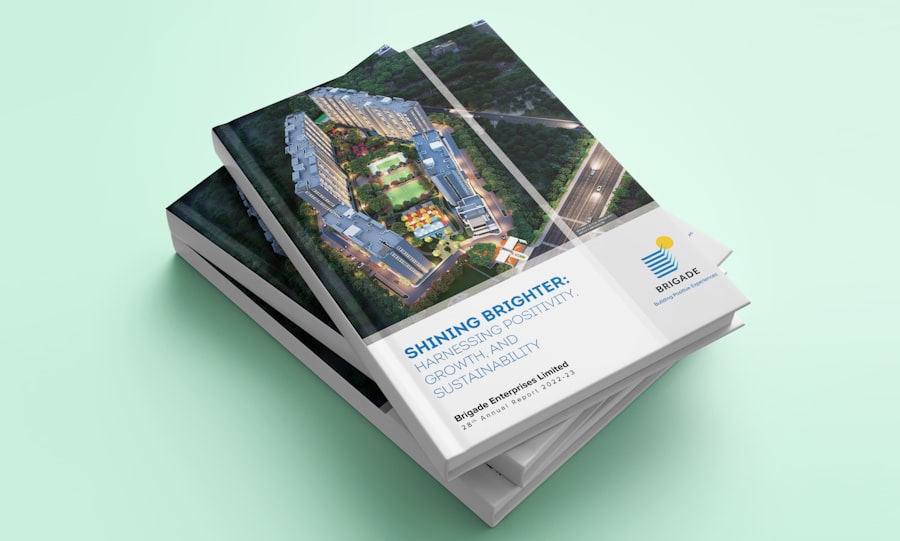
Customized brochures and flyers remain essential components of real estate marketing despite the rise of digital media. These tangible materials provide potential buyers with something they can hold onto during their property search, serving as a physical reminder of what they have seen. A well-designed brochure can encapsulate the essence of a property while providing essential information such as pricing, square footage, and key features.
The tactile nature of printed materials can create a more personal connection with potential buyers compared to digital listings alone. Moreover, customized brochures allow for greater creativity in presentation. Agents can choose unique formats, sizes, and finishes that align with the property’s character or target demographic.
For instance, luxury properties may benefit from high-gloss finishes and elegant designs that reflect their upscale nature, while family homes might feature vibrant colors and playful layouts that appeal to parents. By tailoring brochures to specific properties and audiences, agents can enhance their marketing efforts and leave a lasting impression on potential buyers.
Leveraging Social Media and Digital Marketing for Real Estate
In today’s digital age, leveraging social media and online marketing strategies is crucial for real estate success. Platforms like Instagram, Facebook, and LinkedIn provide agents with opportunities to reach vast audiences while showcasing properties in engaging ways. High-quality images and videos can be shared across these platforms to generate interest and drive traffic to listings.
Additionally, social media allows for targeted advertising campaigns that can reach specific demographics based on location, interests, and behaviors. Engaging content is key when utilizing social media for real estate marketing. Agents can share behind-the-scenes glimpses of properties, host live virtual open houses, or create informative posts about market trends and home-buying tips.
By positioning themselves as knowledgeable resources within their communities, agents can build trust and credibility among potential clients. Furthermore, social media facilitates direct interaction with followers through comments and messages, allowing agents to foster relationships and respond promptly to inquiries.
Enhancing Your Brand with Personalized Signage and For Sale Boards
Personalized signage and for sale boards play an integral role in real estate marketing by enhancing brand visibility within local communities. A well-designed sign not only indicates that a property is on the market but also serves as an advertisement for the agent or agency representing it. Consistent branding elements—such as logos, colors, and fonts—on signage help reinforce brand recognition among potential clients who may see multiple listings in their area.
Moreover, effective signage should be strategically placed to maximize visibility. High-traffic areas or neighborhoods with significant foot traffic are ideal locations for for sale boards that attract attention from passersby. Additionally, incorporating QR codes on signage can direct interested parties to online listings or virtual tours, bridging the gap between physical marketing efforts and digital engagement.
By investing in personalized signage that reflects their brand identity, agents can create memorable impressions that resonate with potential buyers.
The Impact of Video Marketing in Real Estate
Video marketing has revolutionized how properties are showcased in the real estate industry. With platforms like YouTube and TikTok gaining immense popularity, video content has become an essential tool for engaging potential buyers. Real estate videos allow agents to provide comprehensive tours of properties while highlighting key features in an engaging format.
Unlike static images or text descriptions, videos can convey emotion through music, narration, and dynamic visuals. Furthermore, video marketing offers opportunities for storytelling that resonate with viewers on a personal level. Agents can share testimonials from satisfied clients or narrate the history of a property to create an emotional connection with potential buyers.
Additionally, video content is highly shareable across social media platforms, increasing its reach beyond traditional marketing channels. As consumers increasingly prefer video content over other formats, integrating video into real estate marketing strategies is no longer optional but essential for staying competitive in the market. In conclusion, high-quality real estate marketing materials encompass various elements that work together to create compelling presentations of properties.
From professional photography to engaging video content, each component plays a vital role in attracting potential buyers and establishing brand identity within the industry. As technology continues to evolve and consumer preferences shift, real estate professionals must adapt their marketing strategies accordingly to remain relevant and successful in this dynamic field.