
The COVID-19 pandemic has fundamentally altered the landscape of the commercial property market, primarily due to the widespread adoption of remote work. As businesses transitioned to remote operations, many organizations began to reassess their need for physical office space. This shift has led to a significant decline in demand for traditional office buildings, particularly in urban centers where high vacancy rates have become increasingly common.
Companies that once required expansive office spaces are now opting for smaller footprints or entirely forgoing physical locations in favor of remote work models. This trend has prompted landlords and property managers to rethink their strategies, leading to a reevaluation of lease agreements and a push towards more flexible terms. Moreover, the impact of remote work extends beyond just office spaces; it has also influenced the broader commercial real estate market.

Retail and hospitality sectors have experienced a downturn as consumer behavior shifted towards online shopping and virtual experiences. The need for large retail spaces has diminished, prompting many retailers to close physical locations or downsize their operations. In contrast, logistics and warehousing facilities have seen increased demand as e-commerce continues to thrive.
This shift in demand has created a ripple effect throughout the commercial property market, leading to a reallocation of investment towards sectors that align with the evolving needs of businesses and consumers.
Key Takeaways
- Remote work has decreased demand for traditional office spaces, reshaping the commercial property market.
- Flexible workspaces and coworking spaces are growing rapidly to meet changing workforce needs.
- There is a strong shift towards sustainable, energy-efficient, and green building designs.
- Advanced technology integration is becoming essential in modern commercial properties.
- E-commerce growth drives adaptation in logistics, focusing on last-mile delivery solutions.

Rise of Flexible Workspaces and Coworking Spaces
In response to the changing dynamics of work, flexible workspaces and coworking environments have surged in popularity. These spaces offer businesses the agility to scale their operations without the long-term commitment associated with traditional leases. Companies can rent office space on a short-term basis, allowing them to adapt quickly to fluctuating workforce needs.
This flexibility is particularly appealing to startups and small businesses that may not have the resources to maintain a permanent office. Coworking spaces also foster collaboration and networking opportunities among diverse professionals, creating an ecosystem that encourages innovation and creativity. The rise of flexible workspaces is not limited to startups; established corporations are also embracing this model.
Many large companies are opting for hybrid work arrangements, where employees split their time between remote work and in-office collaboration. As a result, organizations are increasingly investing in coworking spaces that provide amenities such as meeting rooms, high-speed internet, and communal areas. This trend has led to the emergence of hybrid coworking models that cater to both individual freelancers and corporate teams, blurring the lines between traditional office environments and shared workspaces.
Shift towards Sustainable and Green Buildings

As environmental concerns gain prominence, the commercial property market is witnessing a significant shift towards sustainable and green buildings. Developers and investors are increasingly prioritizing eco-friendly construction practices and energy-efficient designs. This trend is driven by a combination of regulatory pressures, consumer demand for sustainability, and the long-term cost savings associated with green buildings.
Properties that incorporate sustainable features such as solar panels, energy-efficient HVAC systems, and water conservation technologies not only reduce their environmental impact but also enhance their marketability. The benefits of sustainable buildings extend beyond environmental considerations; they also contribute to improved tenant satisfaction and retention. Studies have shown that occupants of green buildings experience better indoor air quality, natural lighting, and overall well-being, which can lead to increased productivity.
As a result, tenants are willing to pay a premium for spaces that prioritize sustainability. Furthermore, many investors are recognizing the financial advantages of green buildings, as they often command higher rental rates and experience lower vacancy rates compared to traditional properties.
Technology Integration in Commercial Properties
| Technology | Purpose | Adoption Rate (%) | Benefits | Challenges |
|---|---|---|---|---|
| Smart HVAC Systems | Energy efficiency and climate control | 65 | Reduced energy costs, improved comfort | High initial cost, integration complexity |
| IoT Sensors | Real-time monitoring of building systems | 55 | Predictive maintenance, enhanced security | Data privacy concerns, network reliability |
| Automated Lighting | Energy savings and convenience | 70 | Lower energy consumption, user comfort | Compatibility with existing infrastructure |
| Access Control Systems | Security and tenant management | 60 | Improved security, streamlined access | System maintenance, user training |
| Building Management Software | Centralized control and analytics | 50 | Operational efficiency, data-driven decisions | Implementation cost, staff adaptation |
The integration of technology into commercial properties is transforming how businesses operate and interact with their environments. Smart building technologies are becoming increasingly prevalent, enabling property owners to optimize energy usage, enhance security, and improve tenant experiences. For instance, advanced building management systems allow for real-time monitoring of energy consumption, enabling property managers to identify inefficiencies and implement corrective measures promptly.
Additionally, smart access control systems enhance security by allowing tenants to manage entry points through mobile applications. Moreover, technology is facilitating remote collaboration and communication within commercial spaces. The rise of virtual meeting platforms and collaboration tools has made it easier for teams to connect regardless of their physical location.
As a result, many office designs are evolving to accommodate these technological advancements, incorporating features such as video conferencing rooms and collaborative workstations equipped with the latest audiovisual technology. This integration not only enhances productivity but also creates a more dynamic and engaging work environment.
Adaptation to E-commerce and Last-Mile Delivery
The rapid growth of e-commerce has necessitated significant adaptations within the commercial property sector, particularly concerning logistics and last-mile delivery solutions. As consumers increasingly turn to online shopping, retailers are reconfiguring their supply chains to meet the demands of fast delivery times. This shift has led to a surge in demand for distribution centers and fulfillment warehouses located closer to urban areas, allowing for efficient last-mile delivery services.
In response to this trend, developers are focusing on creating properties that cater specifically to e-commerce needs. These facilities often feature advanced logistics capabilities, such as automated sorting systems and optimized loading docks designed for quick turnaround times. Additionally, urban infill projects are becoming more common as developers seek to repurpose underutilized spaces into last-mile distribution centers.
This adaptation not only addresses the growing demand for e-commerce logistics but also contributes to urban revitalization efforts by transforming vacant properties into functional hubs for modern retail operations.
Urbanization and Mixed-Use Developments
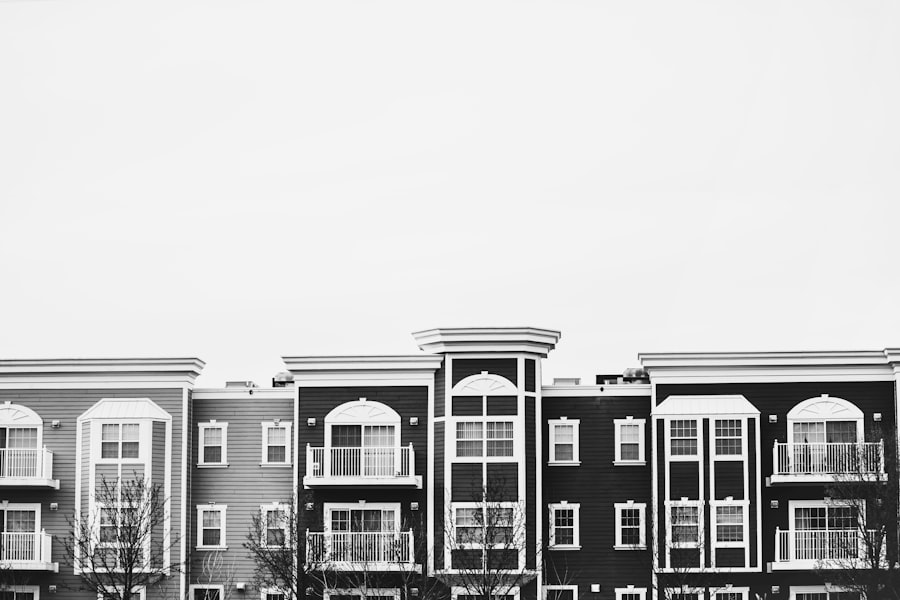
Urbanization continues to shape the commercial property landscape as more people flock to cities in search of employment opportunities and vibrant lifestyles. This trend has led to an increased demand for mixed-use developments that combine residential, commercial, and recreational spaces within a single project. These developments create vibrant communities where residents can live, work, and play without the need for extensive commuting.
Mixed-use developments offer numerous advantages for both developers and tenants. For developers, these projects can maximize land use efficiency by integrating various functions into one location, thereby increasing overall profitability. For tenants, mixed-use environments provide convenience and accessibility, fostering a sense of community while reducing reliance on automobiles.
As urban areas continue to grow, mixed-use developments are likely to become a cornerstone of urban planning strategies aimed at creating sustainable and livable cities.
Investment Trends in Commercial Real Estate
The commercial real estate investment landscape is evolving in response to changing market dynamics and emerging trends. Investors are increasingly seeking opportunities in sectors that align with current consumer preferences and technological advancements. For instance, logistics properties have gained significant traction due to the rise of e-commerce, prompting investors to allocate capital towards distribution centers and last-mile delivery facilities.
Additionally, there is a growing interest in adaptive reuse projects that transform existing structures into modern commercial spaces. Investors recognize the potential for value creation by repurposing underutilized properties while minimizing environmental impact through sustainable practices. This trend not only addresses the demand for innovative spaces but also aligns with broader sustainability goals within the real estate sector.
Changes in Retail and Hospitality Spaces
The retail and hospitality sectors have undergone profound changes as consumer behavior shifts towards online shopping and experiential offerings. Traditional brick-and-mortar retailers are reevaluating their strategies, focusing on creating immersive experiences that draw customers into physical stores. This shift has led to an emphasis on experiential retail concepts that blend shopping with entertainment, dining, and social interaction.
In the hospitality sector, hotels are adapting by enhancing their offerings to cater to changing traveler preferences. Many hotels are incorporating flexible workspaces within their premises to accommodate remote workers seeking a change of scenery from their home offices. Additionally, there is a growing trend towards boutique hotels that prioritize unique design elements and personalized experiences over standardized offerings.
As both sectors continue to evolve in response to consumer demands, the focus will remain on creating engaging environments that foster connection and community engagement while navigating the challenges posed by digital transformation.