
Prime land refers to parcels of real estate that are highly sought after due to their location, accessibility, and potential for development. These lands are typically situated in areas with strong economic growth, robust infrastructure, and favorable zoning regulations. The characteristics that define prime land can vary significantly depending on the market dynamics of a specific region.
For instance, in urban settings, prime land may be characterized by proximity to commercial centers, public transportation, and amenities such as schools and parks. In contrast, in rural areas, prime land might be defined by its agricultural productivity or scenic views that attract tourism. The concept of prime land is not static; it evolves with changing demographics, economic conditions, and urban planning initiatives.

As cities expand and populations grow, previously overlooked areas can become prime real estate. For example, neighborhoods that were once considered undesirable may experience revitalization due to new infrastructure projects or an influx of businesses. Understanding the nuances of what constitutes prime land requires a keen awareness of local trends and an ability to anticipate future developments that could enhance the value of a property.
Key Takeaways
- Prime land offers high value due to its strategic location and development potential.
- Investing in prime land can yield significant financial returns and long-term appreciation.
- Key factors to consider include zoning laws, accessibility, and future area development plans.
- Location is crucial; proximity to amenities and infrastructure greatly impacts land value.
- Understanding risks, financing options, and strategic planning is essential to maximize investment returns.
Benefits of Investing in Prime Land

Investing in prime land offers numerous advantages that can lead to substantial financial returns. One of the most significant benefits is the potential for appreciation in value over time. Prime land is often located in areas with high demand, which can drive up property values as more people seek to live or work in those locations.
This appreciation can be particularly pronounced in urban areas where land is limited and development opportunities are scarce. Investors who purchase prime land early in a growth cycle can realize significant gains as the surrounding area develops. Another compelling reason to invest in prime land is the versatility it offers.
Depending on zoning regulations and market demand, prime land can be developed for various uses, including residential, commercial, or mixed-use projects. This flexibility allows investors to adapt their strategies based on changing market conditions. For instance, a parcel of land initially purchased for residential development might later be repurposed for commercial use if market trends shift.
This adaptability can enhance an investor’s ability to maximize returns and mitigate risks associated with market fluctuations.
Factors to Consider When Purchasing Prime Land
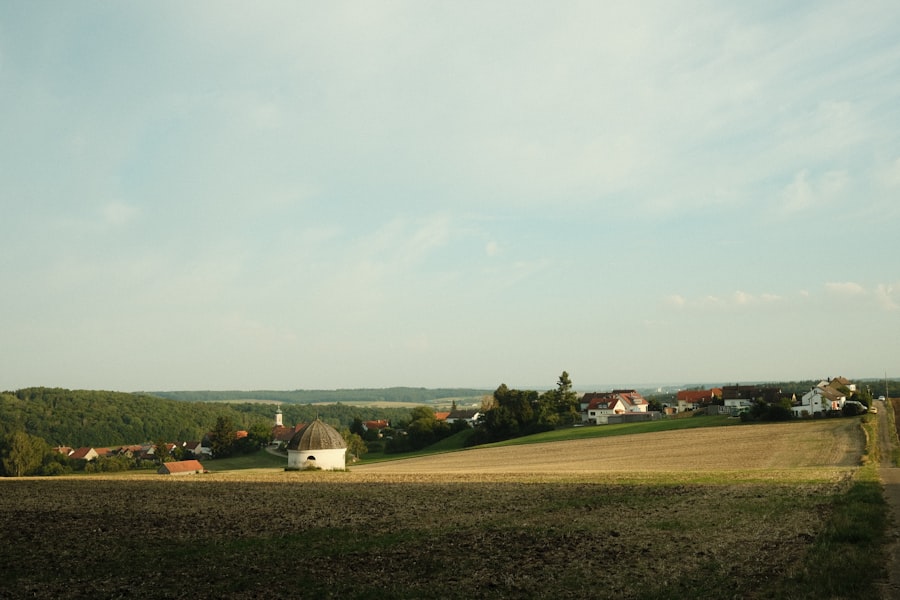
When considering the purchase of prime land, several critical factors must be evaluated to ensure a sound investment decision. One of the foremost considerations is zoning regulations, which dictate how the land can be used. Understanding the current zoning classification and any potential changes is essential for determining the feasibility of development plans.
Investors should also investigate any restrictions or covenants that may affect their intended use of the property. Another important factor is the availability of utilities and infrastructure. Access to essential services such as water, electricity, sewage, and internet connectivity can significantly impact the value and usability of prime land.
Investors should assess whether these utilities are readily available or if significant investments will be required to bring them to the site. Additionally, proximity to major transportation routes can enhance accessibility and attractiveness for future development, making it a crucial consideration during the purchasing process.
Location, Location, Location: Finding the Perfect Spot
| Location Factor | Importance Rating (1-10) | Average Commute Time (minutes) | Nearby Amenities | Safety Score (1-100) | Property Value Growth (%) |
|---|---|---|---|---|---|
| Urban Downtown | 9 | 15 | High (shops, restaurants, transit) | 75 | 5.2 |
| Suburban Neighborhood | 8 | 30 | Moderate (schools, parks, malls) | 85 | 4.0 |
| Rural Area | 6 | 45 | Low (limited shops, nature) | 90 | 2.5 |
| Coastal Region | 7 | 25 | Moderate (beaches, tourism) | 70 | 3.8 |
| Historic District | 8 | 20 | High (museums, cafes) | 80 | 4.5 |
The adage “location, location, location” holds particularly true in real estate investment, especially when it comes to prime land. The ideal location for prime land is often characterized by a combination of factors that contribute to its desirability. For instance, proximity to urban centers can provide access to a larger customer base for commercial developments or attract residents seeking convenience and amenities.
Areas near schools, hospitals, shopping districts, and recreational facilities tend to be more appealing to potential buyers or tenants. In addition to urban proximity, investors should consider emerging neighborhoods that show signs of growth and revitalization. These areas may offer lower initial purchase prices while presenting significant upside potential as development progresses.
An example of this can be seen in cities like Austin, Texas, where neighborhoods that were once considered outlying have transformed into vibrant communities due to an influx of tech companies and young professionals. Identifying such locations requires thorough market research and an understanding of local trends that indicate future growth.
Potential Uses for Prime Land
The versatility of prime land allows for a wide range of potential uses that can cater to various market demands. Residential development is one of the most common uses for prime land, particularly in urban areas where housing shortages are prevalent. Investors may choose to develop single-family homes, multi-family units, or mixed-use properties that combine residential and commercial spaces.
The demand for housing continues to rise in many regions, making residential development a potentially lucrative avenue for investors. Commercial development is another viable option for prime land investment. This could include retail spaces, office buildings, or industrial facilities depending on the location and zoning regulations.
For instance, a parcel of prime land situated near a major highway may be ideal for a retail center or distribution facility due to its accessibility and visibility. Additionally, some investors may explore alternative uses such as recreational facilities or agricultural ventures if the land’s characteristics support such activities. The key is to align the intended use with market demand while considering long-term trends that could influence property values.
Risks and Challenges of Investing in Prime Land

While investing in prime land presents numerous opportunities, it is not without its risks and challenges. One significant risk is market volatility; fluctuations in economic conditions can impact property values and demand for real estate. For example, during economic downturns or recessions, even prime locations may experience declines in value as buyers become more cautious about making investments.
Investors must be prepared for these fluctuations and have strategies in place to weather potential downturns. Another challenge is navigating regulatory hurdles associated with land development. Zoning laws can change over time, impacting an investor’s ability to develop or utilize the property as initially intended.
Additionally, environmental regulations may impose restrictions on certain types of development or require costly assessments before proceeding with construction. Investors should conduct thorough due diligence to understand these regulatory landscapes and factor potential delays or additional costs into their investment plans.
Financing Your Prime Land Investment
Securing financing for a prime land investment can be a complex process that requires careful planning and consideration of various options. Traditional mortgage loans are one avenue for financing; however, lenders may have stricter requirements for land purchases compared to residential properties. Investors should be prepared to provide detailed information about their plans for the land and demonstrate their ability to generate returns on investment.
Alternative financing options include private loans or partnerships with other investors who may share an interest in the property. Crowdfunding platforms have also emerged as a viable means for raising capital for real estate investments, allowing multiple investors to pool resources for larger projects. Regardless of the financing route chosen, it is crucial for investors to conduct thorough financial analysis and ensure they have a clear understanding of their cash flow projections and potential return on investment.
Maximizing Your Return on Investment
To maximize returns on a prime land investment, strategic planning and execution are essential. One effective approach is to stay informed about market trends and emerging opportunities within the real estate sector. By keeping abreast of local developments, demographic shifts, and economic indicators, investors can make informed decisions about when to buy or sell their properties.
Additionally, enhancing the value of the land through improvements can significantly increase its appeal and marketability. This could involve clearing the land, installing utilities, or obtaining necessary permits for development. Engaging with local communities and stakeholders can also foster goodwill and support for proposed projects, further enhancing the likelihood of successful development outcomes.
Investors should also consider diversifying their portfolios by exploring different types of prime land investments across various locations or sectors. This diversification can help mitigate risks associated with market fluctuations while providing multiple avenues for generating returns. By adopting a proactive approach and leveraging their knowledge of the real estate landscape, investors can position themselves for long-term success in the prime land market.