
The real estate market is a dynamic landscape, constantly evolving in response to various societal, economic, and technological influences. As we navigate through the complexities of the 21st century, several emerging trends are reshaping the way we think about property ownership, investment, and development. These trends are not merely fleeting fads; they represent significant shifts in consumer behavior, technological advancements, and environmental considerations that are redefining the real estate sector.
Understanding these trends is crucial for investors, developers, and consumers alike, as they provide insights into future opportunities and challenges within the market. One of the most notable aspects of these emerging trends is the increasing integration of technology into real estate practices. From virtual reality property tours to blockchain transactions, technology is streamlining processes and enhancing the overall experience for buyers and sellers.

Additionally, shifts in urban development and design are becoming more pronounced, influenced by changing demographics and lifestyle preferences. As cities evolve and populations grow, the demand for innovative housing solutions and community-oriented spaces is on the rise. This article will delve into these trends, exploring their implications for the future of real estate.
Key Takeaways
- Technology is transforming real estate through innovations like smart homes and virtual tours.
- Urban development is shifting towards more sustainable, mixed-use, and community-focused designs.
- Demographic changes, including aging populations and millennials, are reshaping housing demands.
- Sustainability and green building practices are becoming central to real estate development.
- Economic and political factors continue to influence market trends and future real estate outlooks.
Impact of Technology on Real Estate Market

The infusion of technology into the real estate market has revolutionized how properties are bought, sold, and managed. One of the most significant advancements is the use of big data analytics, which allows real estate professionals to make informed decisions based on comprehensive market insights. By analyzing vast amounts of data, including demographic trends, economic indicators, and consumer preferences, agents can identify emerging markets and investment opportunities with greater accuracy.
For instance, companies like Zillow and Redfin leverage algorithms to provide real-time property valuations and market forecasts, empowering buyers and sellers with critical information. Moreover, technology has transformed the way properties are marketed. Virtual reality (VR) and augmented reality (AR) have emerged as powerful tools for showcasing properties.
Potential buyers can now take immersive virtual tours from the comfort of their homes, allowing them to explore multiple listings without the need for physical visits. This not only saves time but also broadens the reach for sellers, enabling them to attract a global audience. Additionally, platforms like Matterport offer 3D modeling services that create detailed digital representations of properties, enhancing the online viewing experience.
Shifts in Urban Development and Design
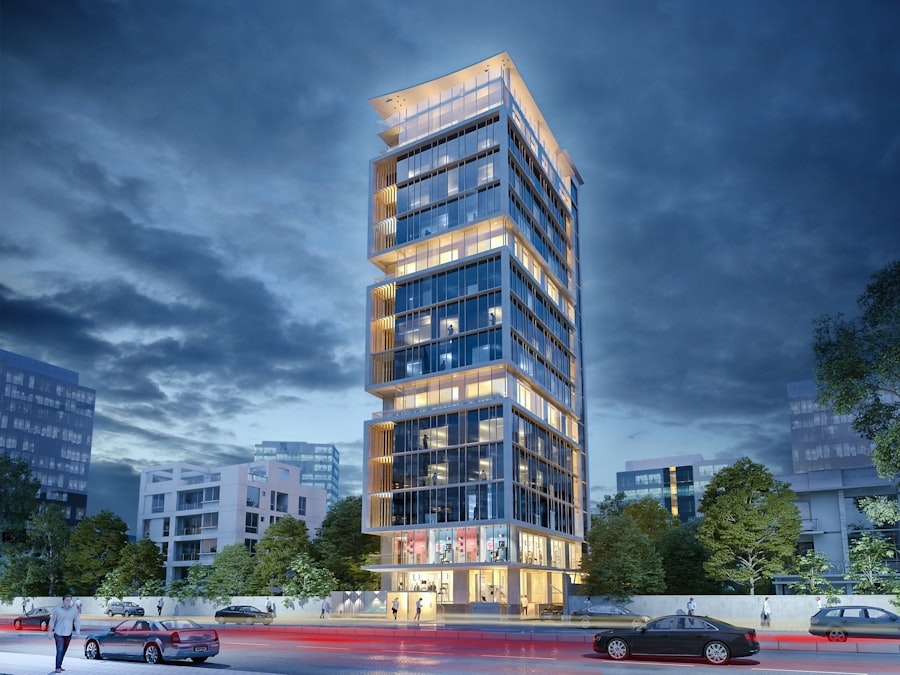
As urbanization continues to accelerate globally, the design and development of cities are undergoing significant transformations. One prominent trend is the move towards mixed-use developments that combine residential, commercial, and recreational spaces. This approach fosters a sense of community and encourages walkability, reducing reliance on cars and promoting healthier lifestyles.
Cities like Portland and Vancouver have embraced this model, creating vibrant neighborhoods where residents can live, work, and play within close proximity. Furthermore, there is a growing emphasis on adaptive reuse in urban development. This practice involves repurposing existing structures for new uses rather than demolishing them.
For example, old factories and warehouses are being converted into loft apartments or creative office spaces. This trend not only preserves historical architecture but also contributes to sustainability by minimizing waste associated with new construction. Cities such as Detroit have seen a resurgence in adaptive reuse projects that breathe new life into abandoned buildings while preserving their cultural significance.
Changing Demographics and their Influence on Real Estate
| Demographic Factor | Impact on Real Estate | Key Metrics | Examples |
|---|---|---|---|
| Population Aging | Increased demand for senior housing and accessible homes | Percentage of population over 65 years: 16.5% | Growth in assisted living facilities and single-story homes |
| Millennial Homebuyers | Preference for urban living and rental properties | Millennials aged 25-40: 72 million | Rise in apartment complexes and mixed-use developments |
| Immigration Trends | Increased demand in metropolitan areas and affordable housing | Annual immigration rate: 1.2 million | Expansion of multi-family housing in cities |
| Household Size Reduction | More demand for smaller units and single-person homes | Average household size: 2.5 persons | Growth in studio and one-bedroom apartments |
| Remote Work Trends | Shift towards suburban and rural housing markets | Remote workers: 30% of workforce | Increased home office spaces and larger homes |
Demographic shifts are profoundly influencing the real estate market as different generations exhibit distinct preferences and needs regarding housing. The millennial generation, now entering their prime home-buying years, is characterized by a desire for flexibility and affordability. Many millennials prioritize urban living with access to amenities such as public transportation, restaurants, and entertainment options.
This has led to increased demand for smaller living spaces in urban centers rather than traditional single-family homes in suburban areas. In contrast, baby boomers are redefining retirement living by seeking downsized homes that offer convenience and low maintenance. Many are opting for active adult communities that provide amenities tailored to their lifestyle preferences.
This demographic shift is prompting developers to create age-friendly housing options that cater to both younger and older generations. For instance, intergenerational communities that blend different age groups are gaining popularity as they foster social interaction and support networks among residents.
Sustainability and Green Building Practices in Real Estate
Sustainability has become a cornerstone of modern real estate development as environmental concerns gain prominence among consumers and investors alike. Green building practices are no longer optional; they are increasingly seen as essential components of successful real estate projects. Developers are adopting sustainable materials, energy-efficient systems, and environmentally friendly designs to minimize their ecological footprint.
For example, LEED (Leadership in Energy and Environmental Design) certification has become a benchmark for green buildings, encouraging developers to implement sustainable practices throughout the construction process. Moreover, the integration of renewable energy sources into real estate projects is on the rise. Solar panels, wind turbines, and geothermal heating systems are being incorporated into residential and commercial properties to reduce reliance on fossil fuels.
This shift not only benefits the environment but also provides long-term cost savings for property owners through reduced energy bills. As consumers become more environmentally conscious, properties that prioritize sustainability are likely to command higher market values and attract discerning buyers.
The Rise of Co-living and Co-working Spaces

The concept of co-living has gained traction in recent years as urban dwellers seek affordable housing solutions that foster community engagement. Co-living spaces typically feature shared amenities such as kitchens, lounges, and workspaces while providing private bedrooms for residents. This model appeals particularly to young professionals and students who value social interaction but may not have the financial means to afford traditional apartments in high-demand urban areas.
Companies like WeLive have pioneered this trend by creating stylish co-living environments that prioritize both comfort and community. Similarly, co-working spaces have transformed the traditional office landscape by offering flexible work environments that cater to freelancers, entrepreneurs, and remote workers. These spaces provide not only desk space but also networking opportunities and collaborative environments that foster creativity and innovation.
The rise of co-working giants like WeWork has demonstrated the demand for such spaces, leading to a proliferation of options across cities worldwide. As remote work becomes more prevalent post-pandemic, the need for adaptable workspaces will continue to shape real estate trends.
Impact of Economic and Political Factors on Real Estate Trends
Economic conditions play a pivotal role in shaping real estate trends as fluctuations in interest rates, employment rates, and consumer confidence directly influence market dynamics. For instance, during periods of economic growth, increased job opportunities often lead to higher demand for housing as more individuals seek homeownership or rental options. Conversely, economic downturns can result in decreased demand and falling property values as consumers tighten their budgets.
Political factors also significantly impact real estate markets through policies related to taxation, zoning regulations, and housing initiatives. For example, government incentives for first-time homebuyers can stimulate demand in specific markets while restrictive zoning laws may hinder development efforts in others. Additionally, political stability is crucial for attracting foreign investment in real estate; countries with uncertain political climates may see diminished interest from international buyers seeking safe investment opportunities.
Future Outlook for Real Estate Market Shifts
Looking ahead, the real estate market is poised for continued evolution driven by technological advancements, demographic changes, and shifting consumer preferences. The integration of artificial intelligence (AI) into property management systems is expected to enhance operational efficiency by automating routine tasks such as tenant screening and maintenance requests. Furthermore, AI-driven predictive analytics will enable investors to make data-informed decisions regarding property acquisitions based on emerging market trends.
As urban areas continue to grow and evolve, the demand for innovative housing solutions will persist. Developers will need to adapt their strategies to meet the needs of diverse populations while prioritizing sustainability and community engagement. The rise of smart cities—integrating technology into urban infrastructure—will further influence real estate development as cities strive to enhance livability through improved transportation systems, energy efficiency measures, and enhanced public services.
In conclusion, the future of real estate will be shaped by a confluence of factors that reflect changing societal values and technological advancements. Stakeholders within the industry must remain agile and responsive to these trends to capitalize on emerging opportunities while addressing challenges that arise in this ever-evolving landscape.