
The real estate industry has undergone a significant transformation in recent years, largely driven by the integration of technology. This evolution has not only streamlined processes but has also enhanced the overall experience for buyers, sellers, and agents alike. One of the most notable advancements is the use of big data analytics, which allows real estate professionals to make informed decisions based on market trends, consumer behavior, and property valuations.
By analyzing vast amounts of data, agents can identify emerging neighborhoods, predict price fluctuations, and tailor marketing strategies to target specific demographics effectively. Moreover, the advent of artificial intelligence (AI) has revolutionized property management and customer service. AI-powered chatbots are now commonplace on real estate websites, providing instant responses to inquiries and guiding potential buyers through the initial stages of their property search.

Additionally, machine learning algorithms can analyze historical data to forecast future market conditions, enabling investors to make strategic decisions. The integration of technology in real estate is not merely a trend; it represents a fundamental shift in how the industry operates, fostering greater efficiency and transparency.
Key Takeaways
- Technology is transforming real estate through smart home integration and digital tools.
- Sustainable building practices are becoming standard to meet environmental goals.
- Co-living and co-working spaces address changing lifestyle and work preferences.
- Virtual reality enhances property viewing experiences remotely.
- Cryptocurrency is influencing new methods of real estate transactions and investments.
Sustainable and Green Building Practices

As environmental concerns continue to rise, sustainable and green building practices have become paramount in the real estate sector. Developers are increasingly adopting eco-friendly materials and construction techniques to minimize their carbon footprint and promote energy efficiency. For instance, the use of recycled materials in construction not only reduces waste but also lowers the demand for new resources.
Furthermore, buildings designed with energy-efficient systems—such as solar panels, high-performance insulation, and smart thermostats—are becoming more prevalent, reflecting a growing commitment to sustainability. In addition to environmental benefits, green buildings often yield significant economic advantages. Properties that adhere to sustainable practices tend to attract environmentally conscious buyers and tenants willing to pay a premium for energy-efficient features.
Moreover, many governments offer incentives for green building initiatives, such as tax credits or grants, which can offset initial construction costs. The trend towards sustainability is not just a passing phase; it is reshaping the real estate landscape as stakeholders recognize the long-term benefits of investing in environmentally responsible practices.
Co-living and Co-working Spaces

The rise of co-living and co-working spaces marks a significant shift in how individuals approach housing and work environments. Co-living spaces cater primarily to young professionals and students seeking affordable housing solutions in urban areas. These shared living arrangements foster a sense of community while providing essential amenities such as communal kitchens, lounges, and recreational areas.
The appeal lies in the ability to live affordably while also enjoying social interactions with like-minded individuals. This model not only addresses housing shortages in densely populated cities but also promotes a lifestyle that values collaboration and connection. Similarly, co-working spaces have transformed traditional office environments by offering flexible workspaces that cater to freelancers, startups, and established companies alike.
These shared offices provide an alternative to conventional leases, allowing businesses to scale up or down as needed without the burden of long-term commitments. The collaborative atmosphere encourages networking and innovation, as individuals from diverse backgrounds come together in a shared space. As remote work becomes increasingly normalized, the demand for co-working spaces continues to grow, reflecting a broader cultural shift towards flexibility and community-oriented work environments.
Rise of Virtual Reality in Property Viewing
| Metric | Value | Year | Notes |
|---|---|---|---|
| Percentage of Real Estate Agencies Using VR | 35% | 2023 | Up from 15% in 2020 |
| Increase in Property Viewings via VR | 50% | 2022-2023 | Compared to traditional in-person viewings |
| Average Time Spent on VR Property Tours | 12 minutes | 2023 | Compared to 7 minutes for video tours |
| Buyer Satisfaction Rate with VR Tours | 88% | 2023 | Survey of 1,000 home buyers |
| Reduction in Physical Property Visits | 30% | 2021-2023 | Attributed to VR adoption |
| Growth Rate of VR Hardware Sales for Real Estate | 40% | 2022-2023 | Includes headsets and controllers |
Virtual reality (VR) technology has emerged as a game-changer in property viewing, offering prospective buyers an immersive experience that transcends traditional methods. With VR headsets, clients can explore properties from the comfort of their homes, walking through rooms and examining details as if they were physically present. This technology not only saves time for both buyers and agents but also allows for a more comprehensive understanding of a property’s layout and features.
For instance, luxury real estate listings often utilize VR tours to showcase expansive estates or unique architectural designs that may be difficult to convey through photographs alone. Furthermore, VR technology can enhance the marketing strategies employed by real estate agents. By creating virtual staging options, agents can showcase properties with various design aesthetics without the need for physical staging.
This flexibility allows potential buyers to envision themselves in the space more easily, increasing the likelihood of a sale. As VR technology continues to advance and become more accessible, its integration into real estate practices is expected to grow, fundamentally altering how properties are marketed and viewed.
Impact of Cryptocurrency on Real Estate Transactions
The emergence of cryptocurrency has introduced a new dimension to real estate transactions, offering innovative solutions for buyers and sellers alike. Digital currencies like Bitcoin and Ethereum enable transactions that are faster and often more secure than traditional methods. For instance, blockchain technology—the underlying framework for cryptocurrencies—provides a transparent ledger that records all transactions, reducing the risk of fraud and ensuring that ownership transfers are seamless.
This level of security is particularly appealing in high-value transactions where trust is paramount. Moreover, cryptocurrency can facilitate international real estate investments by eliminating currency exchange barriers and reducing transaction fees associated with traditional banking systems. Investors from around the globe can purchase properties without the complications of converting currencies or navigating complex financial regulations.
As more real estate companies begin to accept cryptocurrency as a form of payment, it is likely that this trend will continue to gain traction, reshaping how transactions are conducted in the industry.
Urbanization and Mixed-Use Developments
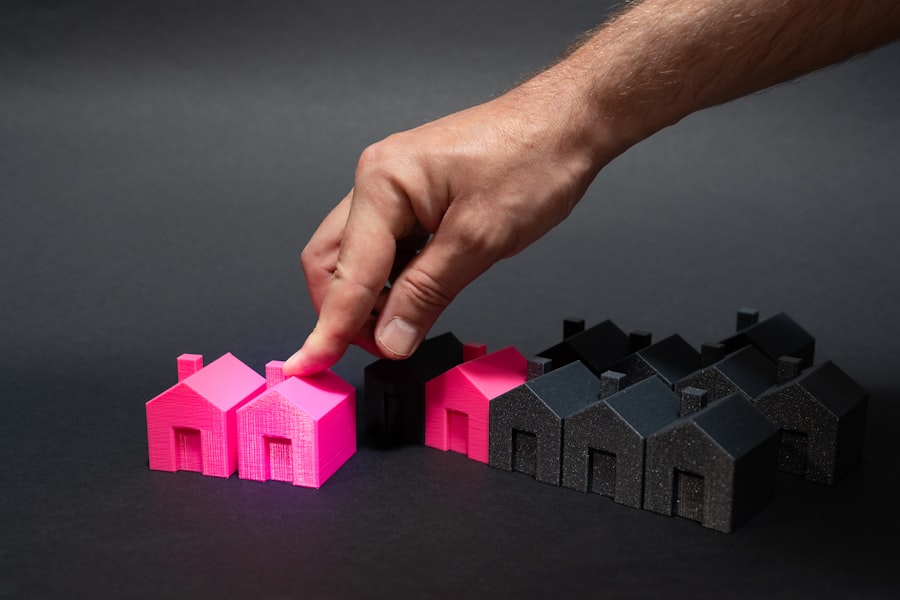
Urbanization is reshaping cities worldwide, leading to an increased demand for mixed-use developments that combine residential, commercial, and recreational spaces within a single project. These developments promote walkability and reduce reliance on automobiles by creating vibrant communities where residents can live, work, and play all in one location. For example, projects like Hudson Yards in New York City exemplify this trend by integrating luxury apartments with retail spaces, offices, parks, and cultural venues.
The benefits of mixed-use developments extend beyond convenience; they also contribute to economic growth by attracting businesses and fostering local economies. By creating diverse environments that cater to various demographics, these developments can enhance community engagement and social interaction. As urban areas continue to expand and evolve, mixed-use developments are likely to play a crucial role in shaping sustainable cities that prioritize livability and accessibility.
Innovative Financing and Investment Models
The landscape of real estate financing is evolving rapidly as innovative models emerge to meet the changing needs of investors and developers. Crowdfunding platforms have gained popularity as an alternative means of raising capital for real estate projects. By allowing multiple investors to pool their resources for a single project, crowdfunding democratizes access to real estate investment opportunities that were once limited to wealthy individuals or institutional investors.
This model not only diversifies investment portfolios but also enables smaller investors to participate in larger projects. Additionally, Real Estate Investment Trusts (REITs) have become increasingly sophisticated, offering investors exposure to various sectors within the real estate market without requiring direct ownership of properties. REITs allow individuals to invest in income-generating real estate while benefiting from liquidity similar to stocks.
As these innovative financing models continue to gain traction, they are reshaping how capital flows into the real estate sector and providing new avenues for investment.
Shift towards Smart and Connected Homes
The shift towards smart and connected homes represents a significant trend in residential real estate as technology becomes increasingly integrated into daily living. Smart home devices—such as thermostats, security systems, lighting controls, and appliances—allow homeowners to manage their properties remotely through smartphones or voice-activated assistants. This level of connectivity enhances convenience while also promoting energy efficiency; for example, smart thermostats can learn user preferences and adjust heating or cooling accordingly, leading to reduced energy consumption.
Moreover, the appeal of smart homes extends beyond individual convenience; they also offer enhanced security features that are attractive to potential buyers. Homeowners can monitor their properties in real-time through security cameras or receive alerts about unusual activity via mobile apps. As consumers become more tech-savvy and prioritize convenience and security in their living environments, the demand for smart homes is expected to rise significantly.
This trend is likely to influence new construction practices as builders incorporate smart technology into their designs from the outset. In conclusion, the integration of technology into real estate practices is reshaping the industry landscape across multiple dimensions—from enhancing property viewing experiences with virtual reality to promoting sustainability through green building practices. As urbanization continues to drive demand for innovative living solutions like co-living spaces and mixed-use developments, stakeholders must adapt to these changes while exploring new financing models that democratize access to investment opportunities.
The future of real estate will undoubtedly be characterized by increased connectivity and sustainability as consumers seek homes that align with their values and lifestyles.