Luxury real estate represents a unique segment of the property market, characterized by high-value homes that offer exceptional quality, design, and location. This niche is not merely defined by price; rather, it encompasses properties that provide an elevated lifestyle experience. The luxury real estate market is often influenced by various factors, including economic conditions, demographic trends, and cultural shifts.
Buyers in this sector typically seek more than just a place to live; they are in pursuit of a lifestyle that reflects their status and aspirations. The luxury real estate market is also marked by its exclusivity. Properties in this category often feature unique architectural designs, high-end finishes, and state-of-the-art technology.

The clientele is diverse, ranging from affluent individuals and celebrities to international investors looking for a safe haven for their wealth. Understanding the nuances of this market requires a keen awareness of buyer motivations, which can include investment potential, personal enjoyment, or even a desire for privacy and seclusion. As such, luxury real estate agents must possess not only market knowledge but also an understanding of the emotional and psychological factors that drive high-net-worth individuals in their purchasing decisions.
Key Takeaways
- Luxury real estate is defined by high-end features, prime locations, and exclusivity.
- Top luxury homes include amenities like smart technology, spacious layouts, and premium materials.
- Security, privacy, and customization are critical factors for luxury homeowners.
- Sustainable and eco-friendly designs are increasingly important in luxury property development.
- Investing in luxury real estate requires careful consideration of market trends, location, and long-term value.
Top Features of Luxury Homes

When it comes to luxury homes, certain features consistently stand out as hallmarks of opulence and sophistication. One of the most sought-after attributes is spaciousness. Luxury homes often boast expansive floor plans that include multiple bedrooms and bathrooms, grand living areas, and gourmet kitchens equipped with top-of-the-line appliances.
High ceilings and large windows are common design elements that enhance the sense of space and allow for an abundance of natural light, creating an inviting atmosphere. Another defining feature of luxury homes is the incorporation of high-quality materials and finishes. From marble countertops to hardwood flooring, the choice of materials plays a crucial role in establishing the overall aesthetic and feel of the home.
Custom cabinetry, designer fixtures, and unique architectural details further elevate the property’s appeal. Additionally, many luxury homes include smart home technology that allows residents to control lighting, climate, security systems, and entertainment options with ease. This integration of technology not only enhances convenience but also adds a modern touch to traditional luxury.
Exclusive Amenities in Luxury Living
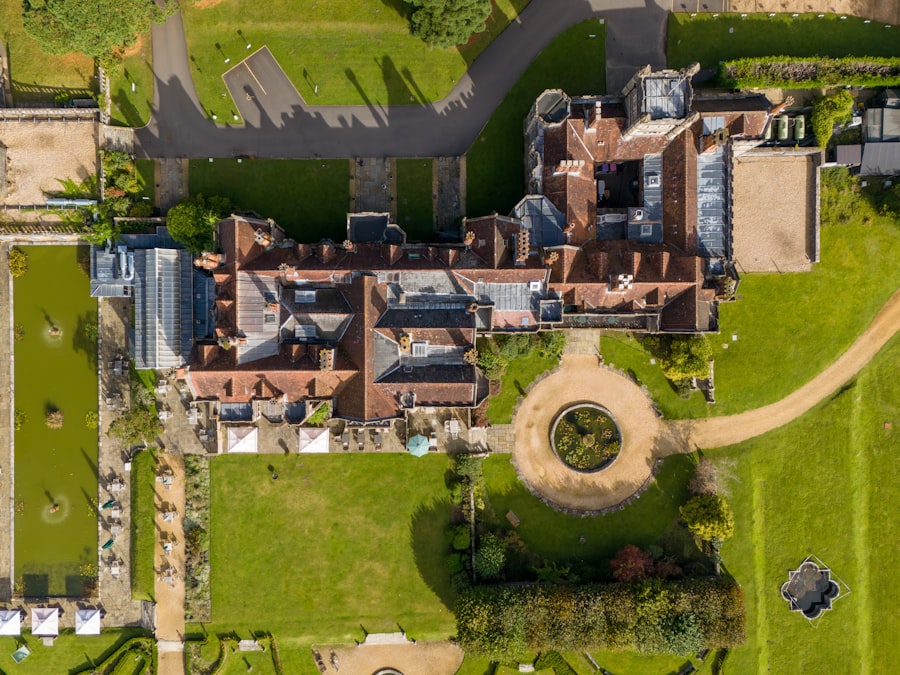
Luxury living is often synonymous with exclusive amenities that cater to the desires and needs of affluent homeowners. These amenities can range from private pools and spas to home theaters and wine cellars. Many luxury properties feature outdoor living spaces designed for entertaining, complete with outdoor kitchens, fire pits, and landscaped gardens that create a serene environment for relaxation or social gatherings.
In addition to recreational amenities, luxury homes frequently offer wellness features such as fitness centers or yoga studios. Some properties even include dedicated spaces for personal trainers or wellness coaches, reflecting a growing trend towards health-conscious living among high-net-worth individuals. Furthermore, concierge services are becoming increasingly popular in luxury developments, providing residents with access to personalized services such as housekeeping, event planning, and even private chefs.
These amenities not only enhance the living experience but also contribute to a sense of community among residents.
The Appeal of Location in Luxury Real Estate
| Metric | Description | Impact on Luxury Real Estate Appeal | Example Values |
|---|---|---|---|
| Proximity to City Center | Distance from the luxury property to the main business and cultural hubs | Higher proximity increases desirability due to convenience and prestige | 0.5 – 5 miles |
| Scenic Views | Availability of ocean, mountain, or city skyline views | Properties with premium views command higher interest and value | Ocean, Mountain, Skyline |
| Neighborhood Safety | Crime rate and overall safety of the location | Lower crime rates significantly enhance appeal and marketability | Low crime index (10-30) |
| Access to Amenities | Proximity to high-end shopping, dining, schools, and recreational facilities | Close access increases lifestyle convenience and attractiveness | Within 1-3 miles |
| Privacy and Exclusivity | Level of seclusion and exclusivity of the location | High privacy is a key factor for luxury buyers seeking exclusivity | Gated communities, private roads |
| Environmental Quality | Air quality, noise levels, and green space availability | Better environmental quality enhances comfort and desirability | Low noise, high green space ratio |
| Historical and Cultural Significance | Presence of heritage sites or culturally rich surroundings | Adds unique character and prestige to the property location | Historic districts, landmarks nearby |
Location is a critical factor in the luxury real estate market, often dictating property value and desirability. Prime locations are typically characterized by their proximity to cultural landmarks, upscale shopping districts, fine dining establishments, and recreational opportunities. For instance, properties situated in renowned neighborhoods such as Beverly Hills in Los Angeles or Manhattan’s Upper East Side command premium prices due to their prestigious addresses and access to elite social circles.
Moreover, natural surroundings play a significant role in the appeal of luxury properties. Homes with breathtaking views—whether overlooking the ocean, mountains, or city skylines—are highly coveted. The allure of privacy is also paramount; many affluent buyers seek properties that offer seclusion while still being accessible to urban amenities.
Gated communities or estates on large plots of land provide an added layer of security and exclusivity that resonates with high-net-worth individuals looking for a retreat from the hustle and bustle of city life.
Customization and Personalization in Luxury Homes
Customization is a defining characteristic of luxury real estate that sets it apart from standard housing options. High-net-worth individuals often desire homes that reflect their personal tastes and lifestyles. This demand for personalization can manifest in various ways, from bespoke architectural designs to tailored interior finishes.
Many luxury homebuyers work closely with architects and designers to create spaces that align with their vision, ensuring that every detail—from layout to color schemes—resonates with their individual style. The trend towards customization extends beyond aesthetics; it also encompasses functionality. Homeowners may request specific features such as home offices equipped with advanced technology for remote work or dedicated spaces for hobbies like art studios or music rooms.
This level of personalization not only enhances the living experience but also increases the property’s value by making it uniquely suited to the owner’s preferences.
The Importance of Security and Privacy in Luxury Living
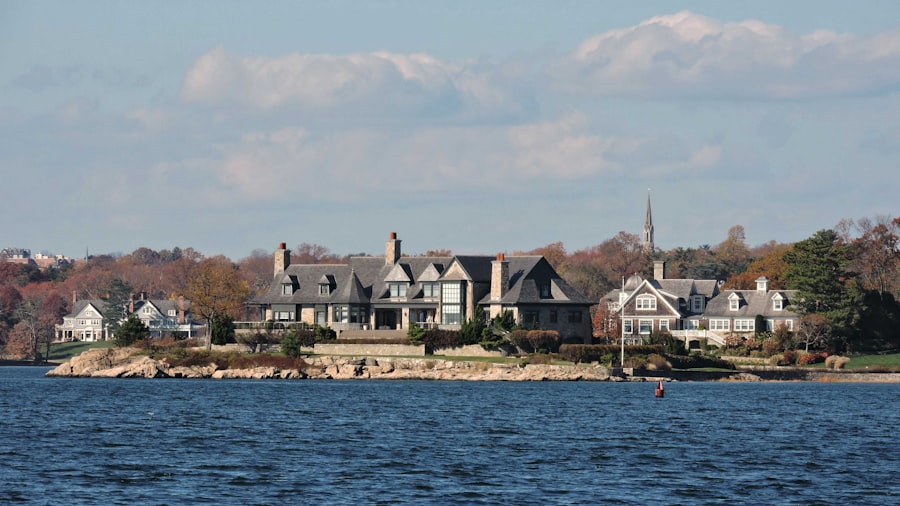
In the realm of luxury real estate, security and privacy are paramount concerns for many buyers. High-net-worth individuals often seek properties that offer advanced security features such as gated entrances, surveillance systems, and on-site security personnel. These measures provide peace of mind and protect against potential threats, making them essential considerations when purchasing a luxury home.
Privacy is equally important; many affluent buyers prefer homes situated on large lots or within exclusive communities that limit public access. Properties designed with privacy in mind may include strategic landscaping or architectural elements that shield them from view. Additionally, some luxury developments offer amenities such as private elevators or separate entrances to ensure that residents can enjoy their homes without unwanted intrusion.
This emphasis on security and privacy reflects a broader societal trend where personal safety has become a significant factor in real estate decisions.
Sustainability and Green Living in Luxury Real Estate
As environmental awareness continues to grow among consumers, sustainability has emerged as a key consideration in luxury real estate. High-net-worth individuals are increasingly seeking homes that incorporate eco-friendly features without compromising on style or comfort. This shift is evident in the rising popularity of sustainable building materials, energy-efficient appliances, and smart home technologies designed to reduce energy consumption.
Luxury properties that prioritize sustainability often include features such as solar panels, rainwater harvesting systems, and green roofs that promote biodiversity while enhancing energy efficiency. Additionally, many luxury developments are now designed with sustainable landscaping practices that minimize water usage and support local ecosystems. This commitment to green living not only appeals to environmentally conscious buyers but also adds long-term value to properties as demand for sustainable living options continues to rise.
Investing in Luxury Real Estate: What to Consider
Investing in luxury real estate requires careful consideration of various factors beyond mere aesthetics or location. Potential investors should conduct thorough market research to understand current trends and forecasts within the luxury segment. Economic indicators such as job growth, interest rates, and demographic shifts can significantly impact property values and investment potential.
Additionally, prospective buyers should evaluate the long-term viability of their investment by considering factors such as property management options and potential rental income if they plan to lease the property when not in use. Engaging with experienced real estate professionals who specialize in luxury markets can provide invaluable insights into pricing strategies and negotiation tactics tailored to high-end transactions. Ultimately, successful investment in luxury real estate hinges on a combination of market knowledge, strategic planning, and an understanding of buyer psychology within this exclusive sector.