The integration of technology into commercial real estate (CRE) has transformed the industry, enhancing operational efficiency and improving tenant experiences. Smart building technologies, such as Internet of Things (IoT) devices, have become increasingly prevalent, allowing property managers to monitor and control various systems remotely. For instance, smart thermostats can optimize energy consumption by adjusting heating and cooling based on occupancy patterns, leading to significant cost savings.
Additionally, advanced building management systems (BMS) enable real-time data collection and analysis, facilitating predictive maintenance and reducing downtime. This technological shift not only streamlines operations but also attracts tech-savvy tenants who prioritize modern amenities. Moreover, the rise of proptech—property technology—has introduced innovative solutions that cater to various aspects of the real estate lifecycle.

Platforms that utilize artificial intelligence (AI) and machine learning are now employed for property valuation, market analysis, and investment decision-making. For example, companies like Zillow and Redfin leverage algorithms to provide accurate property estimates and market trends, empowering investors and buyers with data-driven insights. Virtual reality (VR) and augmented reality (AR) technologies have also gained traction, allowing potential tenants to experience spaces remotely through immersive virtual tours.
This capability has become particularly valuable in a post-pandemic world where physical site visits may be limited.
Key Takeaways
- Technology is increasingly integrated into commercial real estate to enhance efficiency and tenant experience.
- Sustainable and green building practices are becoming standard to meet environmental goals.
- Mixed-use developments are gaining popularity, combining residential, commercial, and recreational spaces.
- Co-working spaces and flexible office designs are rising to accommodate changing work styles.
- E-commerce growth drives demand for last-mile delivery facilities and transforms retail spaces.
Sustainable and Green Building Practices
Sustainability has emerged as a critical focus in commercial real estate, driven by both regulatory pressures and growing tenant demand for environmentally responsible practices. Green building certifications, such as LEED (Leadership in Energy and Environmental Design) and BREEAM (Building Research Establishment Environmental Assessment Method), have become benchmarks for sustainable construction and operation. These certifications encourage developers to incorporate energy-efficient systems, sustainable materials, and water conservation measures into their projects.
For instance, the Bullitt Center in Seattle is often cited as one of the greenest commercial buildings in the world, featuring a rainwater harvesting system, solar panels, and composting toilets. In addition to certifications, many companies are adopting sustainability as a core value, recognizing its potential to enhance brand reputation and attract environmentally conscious tenants. The integration of renewable energy sources, such as solar panels and wind turbines, is becoming more common in commercial properties.
Furthermore, the implementation of energy-efficient lighting systems, such as LED technology, not only reduces energy consumption but also lowers operational costs. As businesses increasingly prioritize corporate social responsibility (CSR), the demand for sustainable buildings is expected to continue rising, influencing investment strategies and development decisions across the sector.
Shift towards Mixed-Use Developments
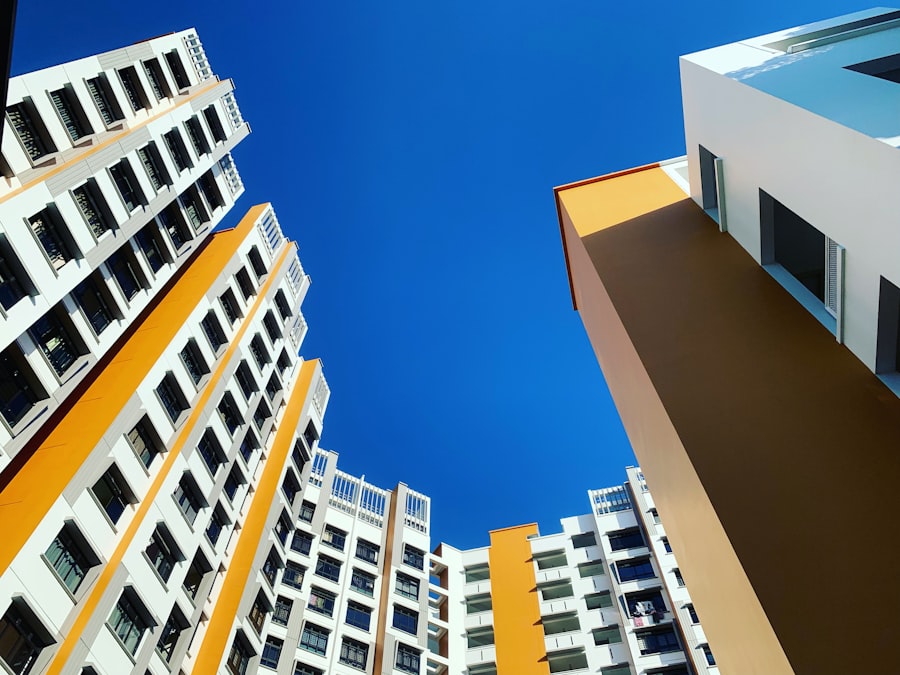
The trend towards mixed-use developments reflects a broader shift in urban planning and community design, emphasizing the importance of creating vibrant, multifunctional spaces. These developments combine residential, commercial, and recreational elements within a single project, fostering a sense of community and reducing reliance on transportation. For example, the Hudson Yards project in New York City exemplifies this trend by integrating luxury residences, office spaces, retail outlets, and public parks into one cohesive environment.
Such developments not only enhance the urban landscape but also promote walkability and accessibility. Mixed-use developments are particularly appealing to millennials and younger generations who prioritize convenience and lifestyle integration. By living, working, and socializing in close proximity, residents can enjoy a higher quality of life while minimizing their carbon footprint.
Additionally, these projects often incorporate public transportation options, further reducing dependence on cars. As cities continue to evolve and adapt to changing demographics and preferences, mixed-use developments are likely to play a pivotal role in shaping urban environments that cater to diverse needs.
Rise of Co-Working Spaces and Flexible Office Designs
| Metric | Value | Year | Notes |
|---|---|---|---|
| Number of Co-Working Spaces Worldwide | 26,000+ | 2023 | Significant growth from 14,000 in 2018 |
| Annual Growth Rate of Co-Working Spaces | 21% | 2018-2023 | Compound annual growth rate (CAGR) |
| Percentage of Companies Using Flexible Office Solutions | 70% | 2023 | Includes remote work and hybrid models |
| Average Cost Savings for Companies Using Flexible Offices | 30% | 2023 | Compared to traditional office leases |
| Increase in Demand for Flexible Office Designs | 45% | 2020-2023 | Driven by post-pandemic work culture shifts |
| Percentage of Millennials Preferring Co-Working Spaces | 60% | 2023 | Reflects preference for community and flexibility |
| Average Occupancy Rate of Co-Working Spaces | 85% | 2023 | Indicates strong market demand |
The rise of co-working spaces has revolutionized the traditional office landscape, offering flexible solutions that cater to the evolving needs of businesses and professionals. Co-working spaces provide shared work environments that foster collaboration and networking among diverse groups of individuals. Companies like WeWork have popularized this model by creating aesthetically pleasing workspaces equipped with modern amenities.
These spaces often feature communal areas, private offices, meeting rooms, and event spaces that encourage creativity and innovation. Flexible office designs have also gained traction as organizations seek to adapt to changing workforce dynamics. The COVID-19 pandemic accelerated this trend as companies re-evaluated their office needs in light of remote work practices.
Many businesses are now opting for hybrid models that combine remote work with in-office collaboration. This shift has led to an increased demand for adaptable office layouts that can accommodate varying team sizes and functions. For instance, modular furniture solutions allow for easy reconfiguration of workspaces to support different activities, from collaborative brainstorming sessions to focused individual work.
Growth of E-commerce and Last-Mile Delivery Facilities
The explosive growth of e-commerce has significantly impacted commercial real estate, particularly in the logistics sector. As online shopping continues to gain popularity, the demand for last-mile delivery facilities has surged. These facilities serve as critical hubs for distributing goods directly to consumers’ doorsteps, necessitating strategic locations near urban centers.
Companies like Amazon have invested heavily in establishing fulfillment centers that enable rapid delivery times, reshaping the logistics landscape. The rise of e-commerce has also prompted traditional retailers to rethink their distribution strategies. Many brick-and-mortar stores are now repurposing their physical locations into fulfillment centers or “dark stores” that cater exclusively to online orders.
This shift not only optimizes inventory management but also allows retailers to maintain a presence in key markets without incurring the costs associated with traditional storefronts. As consumer expectations for fast delivery continue to rise, the demand for strategically located last-mile facilities is expected to remain robust.
Impact of Remote Work on Office Space Demand
The COVID-19 pandemic has fundamentally altered perceptions of office space demand as remote work became a necessity for many organizations. Initially viewed as a temporary solution, remote work has now become a permanent fixture for numerous companies across various sectors. This shift has led many businesses to reassess their office space requirements, resulting in a decrease in demand for traditional office environments.
Companies are increasingly exploring hybrid models that allow employees to split their time between home and the office. As a result of this transformation, many organizations are downsizing their physical office footprints or reconfiguring their spaces to accommodate flexible work arrangements. The emphasis is shifting from individual workstations to collaborative areas that foster teamwork and creativity when employees are on-site.
This trend has prompted landlords to rethink their offerings by providing adaptable spaces that can easily accommodate changing tenant needs. The future of office space will likely involve a blend of remote work capabilities and innovative design elements that prioritize collaboration while maintaining flexibility.
Emphasis on Health and Wellness Amenities in Commercial Properties
In recent years, there has been a growing emphasis on health and wellness amenities within commercial properties as tenants increasingly prioritize their well-being. This trend has been accelerated by the COVID-19 pandemic, which heightened awareness of health-related issues in shared environments. Property developers are now incorporating features such as improved air quality systems, natural lighting, fitness centers, and outdoor spaces into their designs to create healthier work environments.
For instance, many modern office buildings are equipped with advanced HVAC systems that filter out pollutants and provide fresh air circulation. Additionally, amenities such as rooftop gardens or green terraces not only enhance aesthetics but also promote mental well-being by providing access to nature within urban settings. The integration of wellness-focused design elements is not merely a trend; it reflects a broader recognition that employee health directly impacts productivity and job satisfaction.
As companies strive to attract top talent in a competitive labor market, investing in health-oriented amenities is becoming an essential consideration for commercial property owners.
Evolution of Retail Spaces in Response to Changing Consumer Behavior
The retail landscape is undergoing a profound transformation as consumer behavior shifts towards online shopping and experiential purchasing experiences. Traditional retail spaces are being reimagined to adapt to these changes by focusing on creating engaging environments that draw customers in rather than relying solely on product sales. Retailers are increasingly prioritizing experiential elements—such as interactive displays, immersive brand experiences, and community events—to foster customer loyalty.
For example, brands like Nike have embraced this evolution by creating flagship stores that offer personalized experiences through technology integration and interactive installations. These spaces allow customers to engage with products in unique ways while also serving as community hubs for events and workshops. Additionally, many retailers are exploring smaller-format stores or pop-up concepts that allow them to test new markets without committing to long-term leases.
This flexibility enables retailers to respond quickly to changing consumer preferences while maintaining a physical presence in key locations. As e-commerce continues to dominate the retail sector, brick-and-mortar stores must adapt by offering value beyond mere transactions. The focus is shifting towards creating memorable experiences that resonate with consumers on an emotional level.
By embracing innovation and rethinking traditional retail models, businesses can navigate the evolving landscape while remaining relevant in an increasingly digital world.