
The luxury real estate market is a unique segment of the broader real estate industry, characterized by high-value properties that often come with exclusive amenities and prime locations. This market is not merely defined by price; it encompasses a lifestyle that appeals to affluent buyers seeking more than just a home. Properties in this sector often feature architectural excellence, bespoke interiors, and state-of-the-art technology, catering to the desires of discerning clients.
Understanding the nuances of this market requires an appreciation for the socio-economic factors that drive demand, including wealth distribution, global economic trends, and shifts in consumer preferences. In recent years, the luxury real estate market has seen significant fluctuations influenced by various factors such as geopolitical events, changes in tax laws, and the rise of remote work. For instance, the COVID-19 pandemic prompted many high-net-worth individuals to reassess their living situations, leading to increased demand for spacious homes in suburban or rural areas.

This shift has resulted in a surge in sales for properties that offer privacy, outdoor space, and proximity to nature. Additionally, the luxury market is increasingly globalized, with buyers from different countries seeking investment opportunities in prestigious locations. Understanding these dynamics is crucial for real estate professionals aiming to navigate this competitive landscape effectively.
Key Takeaways
- Luxury real estate marketing hinges on strong branding and a deep understanding of the affluent market.
- High-quality photography and videography are essential to showcase properties’ exclusivity and appeal.
- Digital marketing and social media platforms are powerful tools to reach and engage high-net-worth clients.
- Building personal relationships and hosting exclusive events foster trust and attract luxury buyers.
- Collaborations with luxury lifestyle brands and embracing emerging trends drive innovation in marketing strategies.
The Importance of Branding in Luxury Real Estate Marketing

Branding plays a pivotal role in luxury real estate marketing, as it helps differentiate properties in a crowded marketplace. A strong brand conveys a sense of prestige and exclusivity, which is essential for attracting high-net-worth clients. Successful branding goes beyond mere aesthetics; it encapsulates the values and lifestyle associated with a property.
For instance, a luxury brand might emphasize sustainability and eco-friendliness, appealing to environmentally conscious buyers who are willing to invest in homes that reflect their values. Moreover, effective branding creates an emotional connection with potential buyers. Luxury real estate agents often curate narratives around properties that highlight their unique features and the lifestyle they offer.
This storytelling approach can transform a mere listing into an aspirational vision of life in that home. For example, a property with a rich history might be marketed not just as a house but as a legacy, inviting buyers to envision themselves as part of its storied past. By crafting a compelling brand narrative, agents can foster deeper engagement and interest from prospective buyers.
Utilizing High-End Photography and Videography
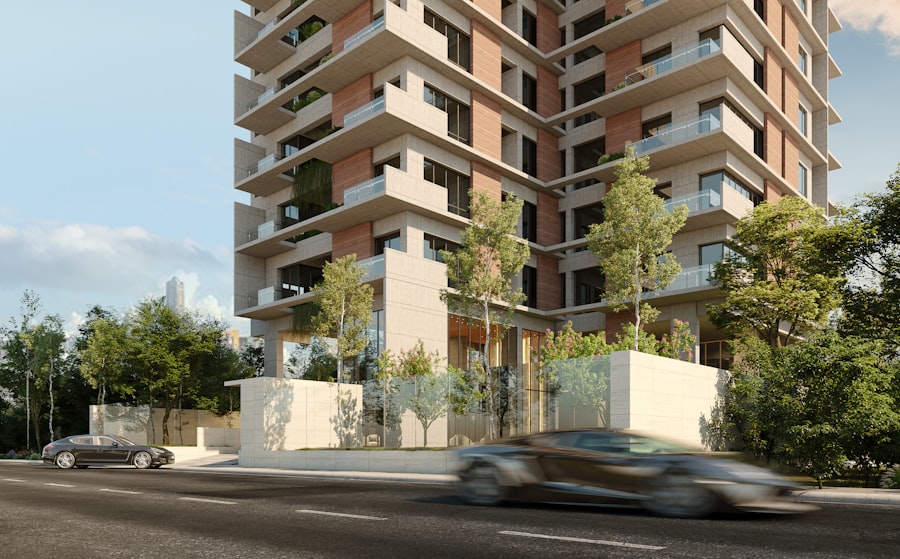
In the luxury real estate market, first impressions are paramount, and high-quality photography and videography are essential tools for making those impressions count. Professional images capture the essence of a property, showcasing its architectural details, interior design, and surrounding landscapes in ways that standard photography cannot achieve. High-end photography employs techniques such as HDR imaging and drone shots to create stunning visuals that highlight the property’s best features.
These images serve not only as marketing materials but also as an invitation for potential buyers to envision themselves living in the space. Videography takes this concept a step further by providing an immersive experience that static images cannot offer. Virtual tours and cinematic videos allow prospective buyers to explore properties from the comfort of their homes, making it easier for them to gauge whether a property meets their needs.
For instance, a well-produced video can highlight not just the interior spaces but also the lifestyle associated with living in that home—showcasing nearby amenities, local attractions, and even community events. This multi-dimensional approach to marketing helps create a more compelling narrative around the property, ultimately driving interest and engagement.
Leveraging Social Media and Digital Marketing Strategies
| Metric | Description | Typical Value / Benchmark | Importance |
|---|---|---|---|
| Engagement Rate | Percentage of audience interacting with content (likes, comments, shares) | 1% – 5% (varies by platform) | High – Indicates content relevance and audience interest |
| Click-Through Rate (CTR) | Percentage of users clicking on a link or call-to-action | 0.5% – 3% (varies by campaign) | High – Measures effectiveness of content in driving traffic |
| Conversion Rate | Percentage of visitors completing a desired action (purchase, signup) | 2% – 10% (industry dependent) | Very High – Directly tied to ROI and campaign success |
| Follower Growth Rate | Rate at which social media followers increase over time | 5% – 15% monthly | Medium – Reflects brand awareness and reach expansion |
| Cost Per Click (CPC) | Average cost paid for each click in paid campaigns | Varies widely by platform and industry | Medium – Important for budgeting and campaign efficiency |
| Impressions | Number of times content is displayed to users | Depends on campaign scale | Medium – Measures potential reach |
| Social Share of Voice (SSoV) | Brand mentions compared to competitors in social media | Varies by market | High – Indicates brand visibility and competitive position |
| Return on Ad Spend (ROAS) | Revenue generated per unit of ad spend | 3:1 or higher preferred | Very High – Measures profitability of paid campaigns |
In today’s digital age, social media has become an indispensable tool for marketing luxury real estate. Platforms like Instagram, Facebook, and LinkedIn allow agents to reach a broader audience while showcasing properties in visually appealing ways. High-quality images and engaging content can be shared widely, increasing visibility among potential buyers who may not be actively searching for properties but are inspired by what they see online.
Social media also facilitates direct interaction between agents and clients, fostering relationships that can lead to successful transactions. Digital marketing strategies extend beyond social media; they encompass search engine optimization (SEO), email marketing campaigns, and targeted online advertising. By optimizing listings for search engines, agents can ensure that their properties appear prominently when potential buyers search for luxury homes online.
Email marketing allows agents to maintain ongoing communication with their client base, providing updates on new listings or market trends that may interest them. Additionally, targeted online ads can be tailored to reach specific demographics or geographic areas, ensuring that marketing efforts are focused on those most likely to invest in luxury real estate.
Building Relationships with High-Net-Worth Individuals
Building relationships with high-net-worth individuals (HNWIs) is crucial for success in the luxury real estate market. These clients often seek personalized service and trustworthiness when making significant investments. Establishing rapport requires more than just transactional interactions; it involves understanding their unique needs and preferences.
Real estate professionals must take the time to listen actively and engage meaningfully with clients to build lasting relationships. Networking plays a vital role in connecting with HNWIs. Attending exclusive events, joining high-end clubs or organizations, and participating in philanthropic activities can provide valuable opportunities to meet potential clients.
Additionally, leveraging existing connections can lead to referrals and introductions within affluent circles. Once relationships are established, maintaining regular communication through personalized follow-ups or invitations to exclusive events can help keep agents top-of-mind when clients are ready to buy or sell luxury properties.
Hosting Exclusive Events and Open Houses

Hosting exclusive events and open houses is an effective strategy for showcasing luxury properties while creating an atmosphere of exclusivity and sophistication. These events provide potential buyers with an opportunity to experience a property firsthand while enjoying curated experiences that reflect the lifestyle associated with the home. For instance, an open house might feature gourmet catering from a renowned chef or live music from local artists, enhancing the overall experience for attendees.
Moreover, exclusive events can serve as networking opportunities for both buyers and sellers. By inviting other industry professionals—such as interior designers, architects, or financial advisors—agents can create an environment conducive to meaningful conversations about real estate investments. These gatherings not only promote the property but also position the agent as a knowledgeable resource within the luxury market.
The ambiance created during these events can leave a lasting impression on attendees, increasing the likelihood of future inquiries or referrals.
Collaborating with Luxury Lifestyle Brands
Collaborating with luxury lifestyle brands can elevate marketing efforts in the luxury real estate sector by aligning properties with established names that resonate with affluent consumers. Partnerships with high-end brands—such as luxury car manufacturers, fashion houses, or gourmet food companies—can enhance the perceived value of a property while attracting attention from potential buyers who are already engaged with those brands. For example, staging a property with designer furniture or hosting an event featuring products from a luxury brand can create an aspirational atmosphere that appeals to discerning clients.
These collaborations can also extend into co-marketing initiatives where both parties benefit from shared exposure. For instance, a luxury real estate agent might partner with a high-end travel company to offer exclusive vacation packages to clients who purchase properties in certain locations. This not only adds value to the purchase but also reinforces the lifestyle associated with owning luxury real estate.
By aligning with brands that share similar values and target demographics, agents can enhance their marketing strategies while providing added benefits to their clients.
The Future of Luxury Real Estate Marketing: Trends and Innovations
As technology continues to evolve, so too does the landscape of luxury real estate marketing. One notable trend is the increasing use of virtual reality (VR) and augmented reality (AR) technologies to enhance property viewing experiences. These innovations allow potential buyers to explore properties remotely or visualize changes they might make before committing to a purchase.
For instance, VR tours can provide an immersive experience that makes clients feel as though they are physically present in the home, while AR applications can enable them to see how different furnishings would look in various spaces. Another emerging trend is the integration of artificial intelligence (AI) into marketing strategies. AI-driven analytics can help agents better understand market trends and consumer behavior by analyzing vast amounts of data quickly and accurately.
This information can inform targeted marketing campaigns and improve lead generation efforts by identifying potential buyers based on their online behavior and preferences. As these technologies continue to develop, they will undoubtedly reshape how luxury real estate is marketed and sold, offering new opportunities for agents who are willing to adapt and innovate in this dynamic environment. The future of luxury real estate marketing will also likely see an increased emphasis on sustainability and eco-friendly practices as consumers become more environmentally conscious.
Properties that incorporate green building materials or energy-efficient technologies will appeal more strongly to buyers who prioritize sustainability in their purchasing decisions. As such, marketing strategies will need to highlight these features prominently while educating potential buyers about their long-term benefits. In conclusion, navigating the luxury real estate market requires a multifaceted approach that combines branding expertise, cutting-edge technology, relationship-building skills, and innovative marketing strategies.
As trends continue to evolve within this sector, staying ahead of the curve will be essential for agents looking to thrive in this competitive landscape.