
The COVID-19 pandemic has had a profound impact on the global property market, reshaping trends and altering the dynamics of buying, selling, and renting properties. Initially, the onset of the pandemic led to a significant slowdown in real estate transactions as lockdowns were imposed and uncertainty loomed. Many potential buyers and sellers hesitated to engage in the market, leading to a temporary decline in property prices in various regions.
However, as the world adapted to the new normal, a remarkable recovery began to take shape. The pent-up demand for housing, coupled with historically low interest rates, ignited a surge in home purchases, particularly in suburban and rural areas. Moreover, the pandemic has accelerated existing trends such as urban-to-suburban migration.

As remote work became more prevalent, many individuals and families sought larger living spaces away from crowded urban centers. This shift not only influenced residential property prices but also affected rental markets, with urban rentals experiencing a decline while suburban rentals saw an uptick. The pandemic has also prompted a reevaluation of property types, with increased interest in single-family homes over multi-family units.
This transformation reflects a broader desire for space, privacy, and outdoor amenities, which have become more desirable in light of the pandemic’s restrictions.
Key Takeaways
- The pandemic significantly altered property market trends, affecting demand and pricing.
- Buyer preferences shifted towards larger spaces and homes with remote work amenities.
- Remote work has increased demand in suburban and rural property markets.
- Regional property markets show varied trends influenced by local economic and social factors.
- Sustainability and eco-friendly features are becoming key considerations for buyers and developers.

Shifts in Buyer Preferences and Demands
As the pandemic reshaped lifestyles, buyer preferences have evolved significantly. One of the most notable shifts has been the increased demand for homes with dedicated office spaces. With remote work becoming a long-term arrangement for many employees, buyers are now prioritizing properties that can accommodate home offices or flexible workspaces.
This trend has led to a rise in interest for homes with extra rooms or finished basements that can be converted into functional work environments. Additionally, features such as high-speed internet access have become essential criteria for prospective buyers. Another significant change in buyer demands is the emphasis on outdoor spaces.
The pandemic underscored the importance of having access to private outdoor areas for relaxation and recreation. Buyers are now seeking properties with gardens, patios, or balconies that provide an escape from indoor confinement. This shift has also influenced the design of new developments, with builders increasingly incorporating outdoor amenities such as parks, walking trails, and communal gardens into their projects.
The desire for a connection to nature has become a driving force behind many purchasing decisions, reflecting a broader societal shift towards valuing health and well-being.
Rise of Remote Work and Its Influence on Property Markets
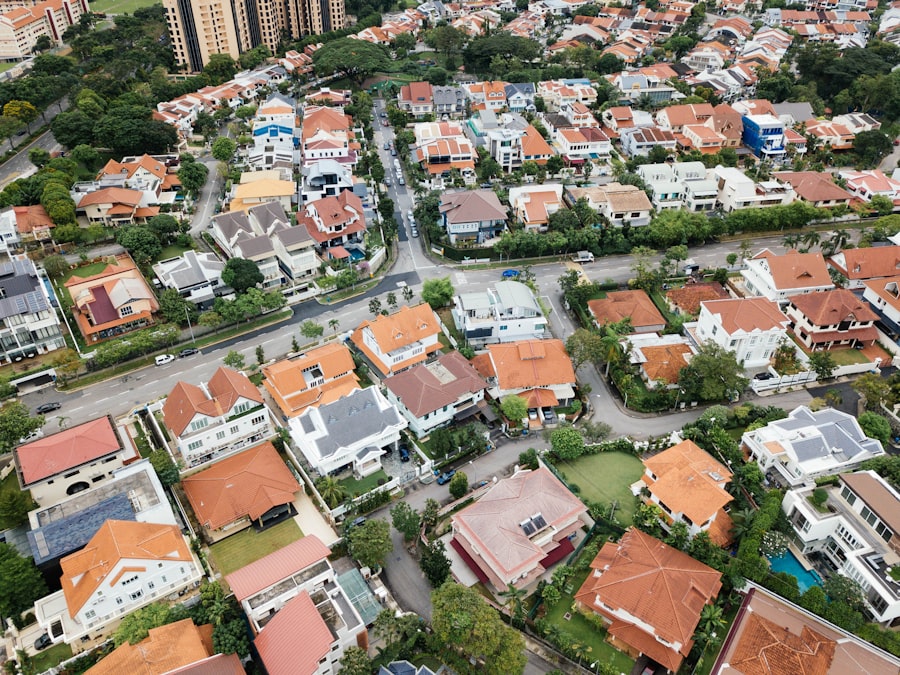
The rise of remote work has fundamentally altered the landscape of property markets across the globe. As companies embraced flexible work arrangements during the pandemic, employees found themselves unshackled from the constraints of commuting to urban offices. This newfound freedom allowed many individuals to reconsider their living situations, leading to a surge in demand for properties located in less densely populated areas.
Suburban and rural markets experienced unprecedented growth as buyers sought larger homes at more affordable prices compared to urban centers. Furthermore, the remote work trend has prompted a reevaluation of what constitutes an ideal living environment. Many buyers are now prioritizing proximity to nature, recreational activities, and community amenities over traditional urban conveniences.
This shift has resulted in increased interest in properties near parks, hiking trails, and waterfronts. Additionally, some buyers are opting for second homes or vacation properties that can serve as both a retreat and a primary residence during remote work periods. The implications of this trend extend beyond individual preferences; they are reshaping entire communities and influencing local economies as demand for housing in these areas continues to rise.
Regional Variations in Property Market Trends
| Region | Average Property Price | Year-on-Year Price Change (%) | Average Days on Market | Rental Yield (%) | Market Demand |
|---|---|---|---|---|---|
| North East | 150,000 | 2.5 | 45 | 6.2 | Moderate |
| South West | 320,000 | 4.1 | 30 | 4.8 | High |
| Midlands | 210,000 | 3.0 | 40 | 5.5 | Moderate |
| London | 650,000 | 1.8 | 25 | 3.7 | Very High |
| Scotland | 180,000 | 2.2 | 50 | 5.9 | Low |
| Wales | 170,000 | 3.5 | 35 | 6.0 | Moderate |
While the pandemic has had widespread effects on property markets globally, regional variations have emerged that reflect local economic conditions, demographic shifts, and lifestyle preferences. In metropolitan areas that were once considered real estate hotspots, such as New York City and San Francisco, there has been a noticeable decline in demand for high-density living. Many residents have opted to leave these urban centers in search of more spacious accommodations elsewhere.
Conversely, smaller cities and towns have seen an influx of new residents seeking affordable housing options and a higher quality of life. In contrast, some regions have experienced resilience in their property markets despite the challenges posed by the pandemic. Areas with strong job markets or those that are home to major tech companies have continued to attract buyers, leading to sustained price growth.
For instance, cities like Austin and Denver have seen significant appreciation in property values as remote workers flock to these vibrant locales. Additionally, coastal regions have witnessed a resurgence in demand for vacation homes as people seek refuge from urban life. These regional disparities highlight the complex interplay between local economies and broader market trends shaped by the pandemic.
Sustainability and Eco-friendly Features in Property Market Trends
The growing awareness of environmental issues has increasingly influenced buyer preferences within the property market. Sustainability has become a key consideration for many homebuyers who are now seeking eco-friendly features in their properties. Energy-efficient appliances, solar panels, and sustainable building materials are among the attributes that are gaining traction among environmentally conscious consumers.
This shift is not merely a trend; it reflects a broader societal commitment to reducing carbon footprints and promoting sustainable living practices. Moreover, developers are responding to this demand by incorporating green building practices into their projects. New developments are increasingly designed with sustainability in mind, featuring energy-efficient designs that minimize environmental impact while maximizing comfort for residents.
Communities that prioritize green spaces and sustainable infrastructure are becoming more appealing to buyers who value both aesthetics and environmental responsibility. As awareness of climate change continues to grow, it is likely that sustainability will play an even more significant role in shaping property market trends in the years to come.
Government Policies and Their Impact on Property Markets
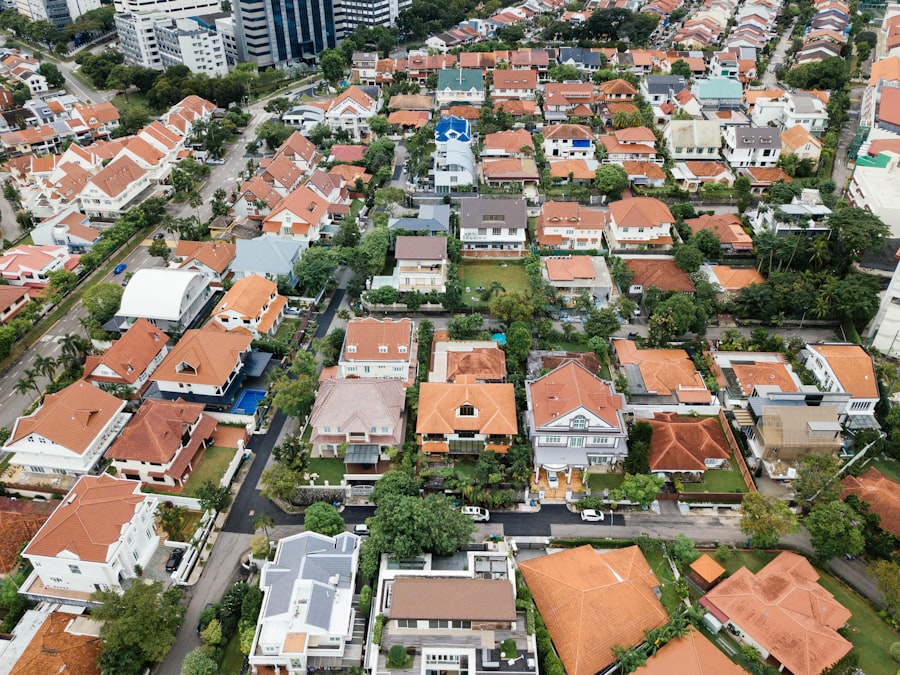
Government policies play a crucial role in shaping property market dynamics, influencing everything from housing supply to affordability. In response to the economic challenges posed by the pandemic, many governments implemented measures aimed at stabilizing their real estate markets. These measures included mortgage relief programs, tax incentives for first-time homebuyers, and temporary eviction moratoriums designed to protect renters during periods of financial uncertainty.
Additionally, zoning regulations and land-use policies have significant implications for housing supply and affordability. In many urban areas, restrictive zoning laws have limited the construction of new housing units, exacerbating affordability issues. Conversely, some regions have adopted more flexible zoning policies to encourage development and increase housing availability.
The interplay between government intervention and market forces is complex; while policies can provide short-term relief or stimulate growth, they can also lead to unintended consequences that affect long-term market stability.
Technology and Innovation in the Property Market
The property market has witnessed a technological revolution that is transforming how transactions are conducted and how properties are marketed. The rise of digital platforms has made it easier for buyers and sellers to connect without traditional intermediaries. Virtual tours, 3D modeling, and augmented reality applications have become essential tools for showcasing properties remotely, allowing potential buyers to explore homes from the comfort of their own devices.
Moreover, data analytics is playing an increasingly important role in informing investment decisions within the real estate sector. Investors now have access to sophisticated tools that analyze market trends, assess property values, and predict future performance based on historical data. This data-driven approach enables more informed decision-making and reduces risks associated with property investments.
As technology continues to evolve, it is likely that we will see further innovations that enhance efficiency and transparency within the property market.
Forecasting Future Property Market Trends
Looking ahead, several key trends are likely to shape the future of the property market as we emerge from the pandemic’s shadow. The ongoing influence of remote work is expected to persist, leading to continued demand for suburban living and properties with dedicated workspaces. As companies adopt hybrid work models, employees may prioritize flexibility in their living arrangements, further driving interest in diverse geographic locations.
Additionally, sustainability will remain at the forefront of buyer preferences as environmental concerns continue to gain traction among consumers. Properties that incorporate eco-friendly features will likely command premium prices as buyers seek homes that align with their values. Furthermore, technological advancements will continue to reshape how real estate transactions are conducted, making processes more efficient and accessible.
Regional variations will persist as local economic conditions evolve post-pandemic. Areas with strong job growth or desirable amenities will continue to attract buyers while others may face challenges related to declining demand or oversupply. Ultimately, understanding these trends will be crucial for stakeholders within the property market as they navigate an ever-changing landscape shaped by societal shifts and economic forces.