
The COVID-19 pandemic has catalyzed a seismic shift in the way we perceive work, leading to an unprecedented rise in remote work. This transformation has not only altered the dynamics of the workplace but has also had profound implications for the real estate market. As companies adapted to remote operations, employees found themselves liberated from the constraints of traditional office spaces.
This newfound flexibility has prompted many to reconsider their living arrangements, leading to a surge in demand for homes that accommodate remote work. Properties with dedicated office spaces, high-speed internet access, and proximity to nature have become increasingly desirable, reshaping the landscape of residential real estate. The impact of remote work on real estate is particularly evident in urban versus suburban dynamics.

Many individuals and families have opted to leave densely populated urban centers in search of more spacious accommodations in suburban or rural areas. This migration has driven up property values in these regions, as buyers seek homes that offer not only comfort but also a conducive environment for productivity. The trend has also led to a re-evaluation of commercial real estate, with many businesses downsizing their physical office spaces or transitioning to hybrid models that require less square footage.
As a result, the demand for traditional office spaces has waned, prompting landlords and investors to rethink their strategies in light of this evolving landscape.
Key Takeaways
- Remote work is reshaping real estate demand, emphasizing flexible home office spaces.
- Sustainable living drives the popularity of eco-friendly, energy-efficient homes.
- Technology integration is crucial for adapting real estate to remote work needs.
- Community-focused designs and shared spaces are key in promoting sustainable living.
- Government policies increasingly support real estate developments aligned with remote work and sustainability trends.

Sustainable Living and its Influence on Real Estate Trends
Sustainable living has emerged as a significant influence on real estate trends, driven by growing awareness of environmental issues and a collective desire for more responsible consumption. As climate change becomes an increasingly pressing concern, homebuyers are prioritizing properties that reflect their values regarding sustainability. This shift is evident in the rising popularity of eco-friendly homes, which incorporate energy-efficient technologies, sustainable materials, and designs that minimize environmental impact.
The integration of green building practices is no longer a niche market; it has become a mainstream expectation among buyers. Moreover, the concept of sustainable living extends beyond individual homes to encompass entire communities. Developers are increasingly focusing on creating neighborhoods that promote sustainability through shared resources, green spaces, and walkable environments.
These communities often feature amenities such as community gardens, solar energy systems, and efficient public transportation options. The appeal of such developments lies not only in their environmental benefits but also in the sense of belonging they foster among residents. As more people seek to align their lifestyles with their values, the demand for sustainable living options will continue to shape real estate trends.
The Shift Towards Eco-Friendly and Energy-Efficient Homes

The shift towards eco-friendly and energy-efficient homes is gaining momentum as consumers become more informed about the long-term benefits of sustainable living. Homebuyers are increasingly seeking properties that not only reduce their carbon footprint but also offer cost savings through energy efficiency. Features such as solar panels, high-efficiency HVAC systems, and energy-efficient appliances are now considered essential rather than optional.
This trend is further supported by advancements in technology that make it easier for homeowners to monitor and manage their energy consumption. In addition to individual home features, the construction industry is responding to this demand by adopting green building certifications such as LEED (Leadership in Energy and Environmental Design) and ENERGY STAR ratings. These certifications provide buyers with assurance that a property meets rigorous standards for sustainability and energy efficiency.
Furthermore, government incentives and rebates for energy-efficient upgrades are encouraging homeowners to invest in eco-friendly improvements. As awareness of climate change continues to grow, the market for eco-friendly homes is expected to expand, influencing both new construction and renovations in existing properties.
The Role of Technology in Adapting to Remote Work in Real Estate
Technology plays a pivotal role in facilitating the transition to remote work and its subsequent impact on real estate. The proliferation of digital tools has enabled seamless communication and collaboration among remote teams, reducing the need for physical office spaces. In the realm of real estate, technology has transformed how properties are marketed, viewed, and sold.
Virtual tours, 3D modeling, and augmented reality applications allow potential buyers to explore homes from the comfort of their own devices, making the home-buying process more efficient and accessible. Moreover, smart home technology is becoming increasingly integrated into residential properties, enhancing the appeal of homes designed for remote work. Features such as smart thermostats, automated lighting systems, and high-speed internet connectivity are now essential considerations for buyers who prioritize both comfort and productivity.
As remote work becomes a permanent fixture for many organizations, the demand for homes equipped with advanced technology will continue to rise. Real estate professionals must adapt to these changes by leveraging technology not only in marketing but also in understanding buyer preferences and behaviors.
The Importance of Community and Shared Spaces in Sustainable Living
| Trend | Description | Impact on Market | Key Metrics |
|---|---|---|---|
| Remote Work Influence | Increased demand for homes with dedicated office spaces and suburban locations. | Shift from urban to suburban and rural areas; rise in home office renovations. | 30% increase in suburban home sales; 45% of buyers seek home office space. |
| Sustainable and Green Buildings | Growing preference for energy-efficient and eco-friendly properties. | Higher property values for green-certified buildings; increased construction costs. | 20% rise in green building certifications; 15% higher rental yields. |
| Smart Home Technology | Integration of IoT devices for security, energy management, and convenience. | Increased buyer interest; premium pricing for smart-enabled homes. | 40% of new homes equipped with smart tech; 10% price premium. |
| Co-living and Shared Spaces | Growth in communal living arrangements, especially among millennials and Gen Z. | New development models; increased rental occupancy rates. | 25% growth in co-living spaces; 90% average occupancy rate. |
| Urban Redevelopment | Revitalization of older urban areas with mixed-use developments. | Increased property values; attraction of younger demographics. | 15% increase in urban property prices; 35% rise in mixed-use projects. |
As individuals embrace sustainable living, the importance of community and shared spaces becomes increasingly evident. Modern buyers are looking for more than just a house; they seek a lifestyle that fosters connection and collaboration among neighbors. Shared spaces such as parks, community gardens, and co-working facilities are becoming integral components of residential developments.
These spaces not only promote social interaction but also encourage sustainable practices by providing opportunities for residents to engage in communal activities. The design of these shared spaces often reflects principles of sustainability, incorporating native landscaping, rainwater harvesting systems, and renewable energy sources. By creating environments that prioritize community engagement and environmental stewardship, developers can attract buyers who value both social connections and ecological responsibility.
Furthermore, these shared spaces can enhance property values by creating a sense of belonging and enhancing the overall quality of life within a neighborhood.
Real Estate Investment Opportunities in Remote Work and Sustainable Living
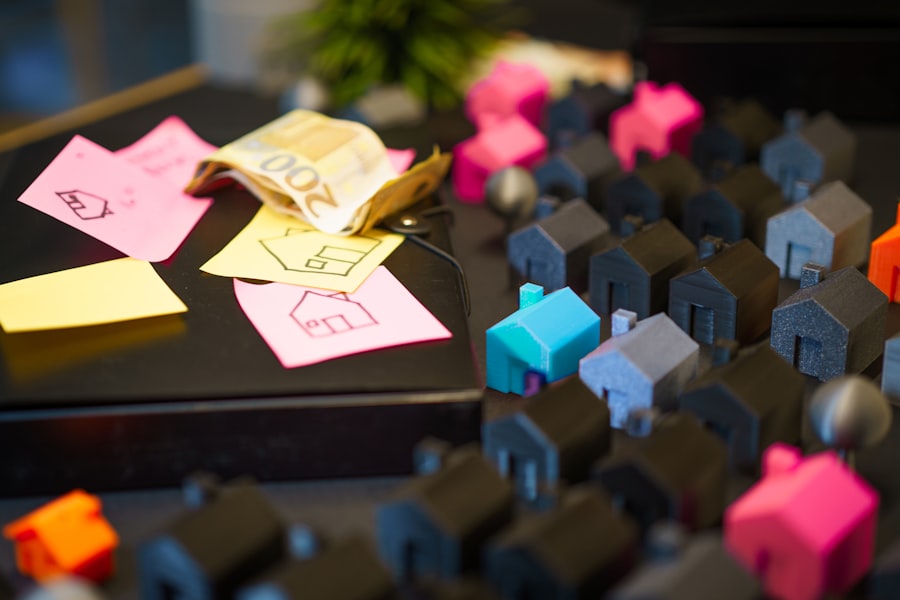
The convergence of remote work and sustainable living presents unique investment opportunities within the real estate sector. Investors are increasingly recognizing the potential for growth in markets that cater to remote workers seeking eco-friendly homes. Properties located in suburban or rural areas with access to nature and amenities conducive to remote work are becoming attractive options for investors looking to capitalize on this trend.
Additionally, developments that prioritize sustainability are likely to appreciate in value as consumer preferences shift towards environmentally responsible living. Moreover, commercial real estate investors are exploring opportunities in adaptive reuse projects that transform underutilized office spaces into residential units or mixed-use developments. As companies continue to embrace hybrid work models, there is potential for repurposing vacant office buildings into vibrant communities that blend residential living with shared workspaces.
This approach not only addresses the changing demands of the workforce but also contributes to sustainable urban development by revitalizing existing structures rather than constructing new ones.
Design and Architecture Trends in Response to Remote Work and Sustainable Living
The design and architecture of homes are evolving in response to the dual influences of remote work and sustainable living. Architects are increasingly prioritizing flexible layouts that accommodate home offices while maintaining functionality for family life. Open floor plans that allow for easy reconfiguration are becoming popular as homeowners seek spaces that can adapt to their changing needs.
Additionally, natural light and ventilation are being emphasized in design choices to create healthier indoor environments conducive to productivity. Sustainable materials are also gaining traction in architectural design as builders strive to minimize environmental impact. Reclaimed wood, recycled metal, and low-VOC (volatile organic compound) paints are being incorporated into new constructions and renovations alike.
Furthermore, biophilic design principles—integrating natural elements into built environments—are being embraced as a way to enhance well-being while promoting sustainability. These design trends reflect a growing recognition that our living spaces should not only serve functional purposes but also contribute positively to our health and the environment.
Government Policies and Regulations Affecting Remote Work and Sustainable Living in Real Estate
Government policies play a crucial role in shaping the landscape of real estate as it adapts to remote work and sustainable living trends. Incentives such as tax credits for energy-efficient upgrades or grants for sustainable development projects encourage both homeowners and developers to invest in eco-friendly practices. Additionally, zoning regulations are evolving to accommodate mixed-use developments that blend residential living with commercial spaces designed for remote work.
Furthermore, local governments are increasingly recognizing the importance of creating walkable communities that prioritize public transportation and green spaces. Policies aimed at reducing urban sprawl and promoting sustainable land use can significantly influence real estate development patterns. As municipalities implement regulations that support sustainable practices—such as mandating green building standards or incentivizing renewable energy installations—the real estate market will continue to adapt to these changes, ultimately benefiting both investors and residents alike.
In summary, the intersection of remote work and sustainable living is reshaping the real estate landscape in profound ways. From shifting buyer preferences towards eco-friendly homes to the integration of technology in property marketing, these trends present both challenges and opportunities for industry stakeholders. As we move forward into an era defined by flexibility and environmental consciousness, understanding these dynamics will be essential for navigating the evolving real estate market.