
Urbanization has become a defining characteristic of the 21st century, with more than half of the world’s population now residing in urban areas. This demographic shift has led to an increased demand for mixed-use developments, which combine residential, commercial, and recreational spaces within a single project. The appeal of mixed-use developments lies in their ability to create vibrant communities that foster social interaction and reduce the need for long commutes.
For instance, projects like Hudson Yards in New York City exemplify this trend, integrating luxury apartments, office spaces, retail outlets, and public parks into a cohesive urban environment. Such developments not only enhance the quality of life for residents but also contribute to local economies by attracting businesses and tourism. The demand for mixed-use developments is further fueled by changing consumer preferences.

Today’s urban dwellers prioritize convenience and accessibility, seeking neighborhoods where they can live, work, and play without the need for extensive travel. This shift is particularly evident among millennials and Gen Z, who value experiences over material possessions and are drawn to urban lifestyles that offer a blend of amenities. As a result, developers are increasingly focusing on creating walkable communities that prioritize public transportation, cycling infrastructure, and pedestrian-friendly designs.
Cities like Portland and San Francisco have embraced this model, promoting mixed-use zoning policies that encourage the integration of diverse land uses to meet the evolving needs of their populations.
Key Takeaways
- Urbanization drives increased demand for mixed-use developments combining residential, commercial, and recreational spaces.
- Smart homes and buildings increasingly integrate advanced technology for enhanced efficiency and user experience.
- Sustainability is a key focus, with eco-friendly materials and energy-efficient designs becoming standard in real estate.
- Co-living and co-working spaces gain popularity as flexible, community-oriented solutions for living and working.
- Remote work influences shifts in residential and commercial real estate, boosting secondary markets and flexible lease models.

Technology Integration in Smart Homes and Buildings
The integration of technology into residential and commercial real estate has transformed the way we interact with our living and working environments. Smart homes equipped with Internet of Things (IoT) devices allow homeowners to control various aspects of their properties remotely, enhancing convenience and energy efficiency. For example, smart thermostats can learn a homeowner’s schedule and adjust heating or cooling accordingly, leading to significant energy savings.
Additionally, security systems that utilize smart cameras and motion sensors provide peace of mind by allowing homeowners to monitor their properties in real-time from their smartphones. In commercial real estate, technology integration extends beyond individual buildings to encompass entire portfolios. Building management systems (BMS) equipped with advanced analytics can optimize energy usage across multiple properties, reducing operational costs while minimizing environmental impact.
Furthermore, the rise of smart building technologies has led to improved tenant experiences through features such as automated lighting controls, occupancy sensors, and enhanced air quality monitoring. These innovations not only contribute to sustainability goals but also attract tenants who prioritize modern amenities and efficient operations. As technology continues to evolve, the real estate sector is likely to see even greater advancements in smart building solutions that enhance both functionality and user experience.
Sustainable and Eco-Friendly Real Estate
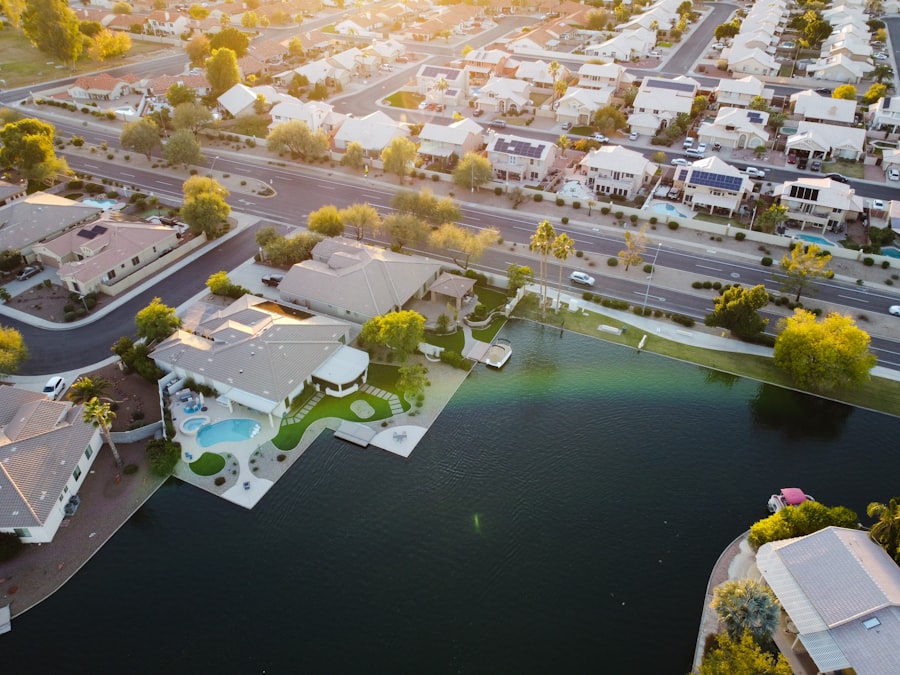
Sustainability has emerged as a critical consideration in real estate development, driven by growing awareness of climate change and environmental degradation. Eco-friendly real estate practices encompass a wide range of strategies aimed at minimizing the ecological footprint of buildings while promoting energy efficiency and resource conservation. For instance, developers are increasingly incorporating renewable energy sources such as solar panels into their projects, allowing properties to generate clean energy on-site.
Additionally, green building certifications like LEED (Leadership in Energy and Environmental Design) have gained traction, providing a framework for assessing the sustainability of construction practices and materials used. The demand for sustainable real estate is not merely a trend; it reflects a fundamental shift in consumer preferences. Homebuyers and tenants are increasingly seeking properties that align with their values regarding environmental stewardship.
This shift is evident in the growing popularity of eco-friendly features such as rainwater harvesting systems, energy-efficient appliances, and sustainable landscaping practices. Moreover, investors are recognizing the financial benefits of sustainable real estate, as properties with green certifications often command higher rental rates and exhibit lower vacancy rates. As sustainability becomes a core principle in real estate development, it is reshaping the industry landscape and driving innovation in design and construction practices.
Co-Living and Co-Working Spaces
The rise of co-living and co-working spaces represents a significant shift in how individuals approach housing and work environments. Co-living spaces cater to young professionals and students seeking affordable housing options in urban areas while fostering a sense of community. These shared living arrangements often include private bedrooms with communal kitchens, lounges, and workspaces, encouraging social interaction among residents.
For example, companies like WeLive have successfully created co-living environments that prioritize flexibility and affordability while providing residents with opportunities for networking and collaboration. Similarly, co-working spaces have transformed the traditional office landscape by offering flexible work environments that cater to freelancers, startups, and remote workers. These shared office spaces provide amenities such as high-speed internet, meeting rooms, and communal areas designed for collaboration.
The appeal of co-working lies in its ability to foster creativity and innovation through networking opportunities while reducing overhead costs for businesses. Notable examples include WeWork and Spaces, which have expanded rapidly across major cities worldwide. As remote work continues to gain traction, the demand for co-living and co-working spaces is expected to grow, reflecting a broader cultural shift towards collaboration and community-oriented living.
Rise of Secondary and Tertiary Real Estate Markets
| Metric | Value | Notes |
|---|---|---|
| Annual Growth Rate | 8.5% | Projected average growth over next 5 years |
| Average Property Price | 150,000 | Median price for residential properties |
| Rental Yield | 6.2% | Average gross rental yield |
| Vacancy Rate | 4.1% | Percentage of unoccupied properties |
| Population Growth | 3.8% | Annual increase in population |
| New Construction Starts | 12,000 units | Number of new residential units started annually |
| Foreign Investment | 25% | Share of market purchases by foreign investors |
As urban centers become increasingly saturated and expensive, secondary and tertiary real estate markets are gaining prominence as attractive alternatives for both investors and homebuyers. These markets often offer lower entry prices compared to primary markets while still providing access to essential amenities and services. Cities like Austin, Nashville, and Raleigh have experienced significant growth as people seek more affordable housing options without sacrificing quality of life.
The influx of new residents has spurred economic development in these areas, leading to job creation and infrastructure improvements. Investors are also recognizing the potential of secondary and tertiary markets as they seek diversification in their portfolios. These regions often exhibit strong rental demand due to population growth and an influx of businesses relocating from more expensive urban centers.
For instance, cities in the Sun Belt region have seen a surge in interest from tech companies looking to establish operations in areas with lower costs of living. This trend not only benefits investors but also contributes to the overall economic vitality of these markets as they attract new talent and investment opportunities.
Impact of Remote Work on Residential and Commercial Real Estate
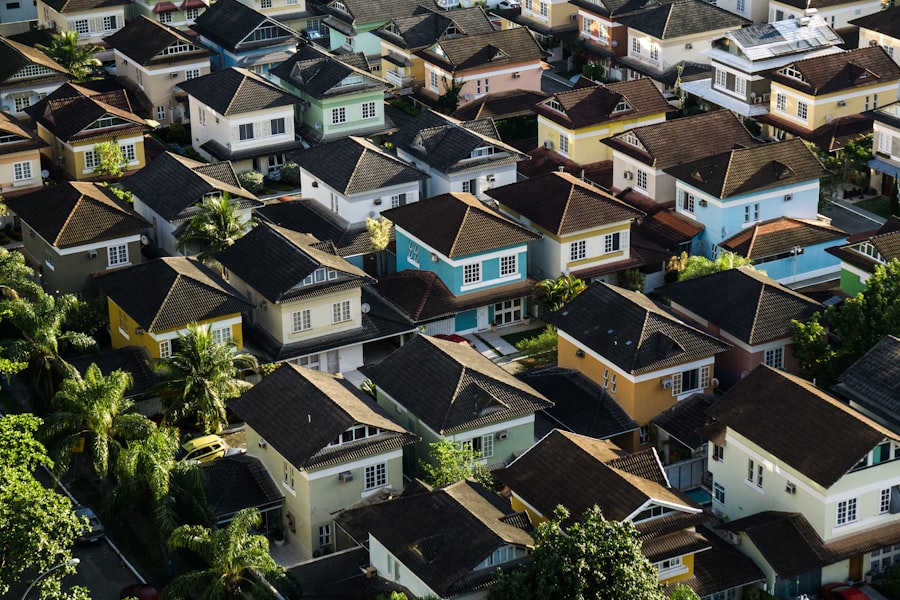
The COVID-19 pandemic has fundamentally altered the landscape of work, leading to a widespread adoption of remote work practices across various industries. This shift has had profound implications for both residential and commercial real estate markets. On the residential side, many individuals are reevaluating their housing needs as they transition to remote work arrangements.
The demand for larger homes with dedicated office spaces has surged as people seek environments conducive to productivity. Suburban areas have become increasingly attractive as families prioritize space over proximity to urban centers. In commercial real estate, the rise of remote work has prompted companies to reassess their office space requirements.
Many organizations are adopting hybrid work models that allow employees to split their time between home and the office. This shift has led to increased interest in flexible office solutions that can accommodate fluctuating workforce sizes. As a result, landlords are reimagining traditional office layouts to create collaborative spaces that foster teamwork while providing areas for focused work.
The long-term impact of remote work on commercial real estate remains uncertain; however, it is clear that flexibility will be a key consideration moving forward.
Growing Interest in Real Estate Crowdfunding and Investment Platforms
The democratization of real estate investment has gained momentum through the rise of crowdfunding platforms that allow individuals to invest in properties with relatively low capital requirements. These platforms enable investors to pool their resources together to finance real estate projects that may have previously been inaccessible due to high entry barriers. For example, platforms like Fundrise and RealtyMogul provide opportunities for both accredited and non-accredited investors to participate in commercial or residential real estate ventures.
This trend not only opens up new avenues for investment but also fosters greater transparency within the industry. Investors can access detailed information about projects, including financial projections and property performance metrics, allowing them to make informed decisions about where to allocate their funds. Additionally, real estate crowdfunding platforms often focus on socially responsible investments that prioritize sustainability or community development initiatives.
As more individuals seek alternative investment opportunities beyond traditional stocks or bonds, the popularity of real estate crowdfunding is expected to continue its upward trajectory.
Shift towards Flexible Lease and Ownership Models
The evolving landscape of real estate is marked by a growing preference for flexible lease and ownership models that cater to changing lifestyles and economic conditions. Traditional long-term leases are being replaced by more adaptable arrangements that allow tenants greater freedom in how they occupy space. This trend is particularly evident in urban markets where demand for short-term rentals has surged due to platforms like Airbnb offering homeowners an opportunity to monetize their properties while providing travelers with unique lodging experiences.
In addition to flexible leasing options, innovative ownership models such as fractional ownership are gaining traction among investors seeking shared access to high-value properties without bearing the full financial burden alone. This model allows multiple investors to collectively own a property while sharing expenses related to maintenance and management. As economic uncertainties persist, these flexible approaches provide individuals with greater control over their living situations while enabling them to adapt quickly to changing circumstances.
The real estate industry is undergoing significant transformations driven by urbanization trends, technological advancements, sustainability initiatives, evolving work patterns, investment innovations, and changing consumer preferences. Each of these factors contributes to a dynamic landscape where traditional models are being redefined in favor of more flexible solutions that meet the diverse needs of modern society.