
Social media marketing has become an essential component of modern real estate business operations. Digital platforms have fundamentally altered the communication patterns between real estate professionals and their clients, requiring agents to develop comprehensive online marketing strategies. These platforms enable real estate professionals to display property listings, distribute market data and analysis, and maintain client relationships through direct digital communication channels.
Social media platforms offer real-time engagement capabilities that facilitate immediate responses to client inquiries and market developments. This direct communication model helps establish professional credibility and client trust, which are fundamental factors in real estate transactions where personal relationships significantly influence business outcomes. Visual-focused platforms such as Instagram and Facebook provide particularly effective marketing channels for real estate professionals.

Professional photography and video content allow comprehensive property presentation, enabling prospective buyers to evaluate properties remotely before scheduling in-person viewings. This visual marketing approach extends beyond simple property documentation to include neighborhood features, local amenities, and lifestyle elements that influence purchasing decisions. Social media advertising systems provide sophisticated targeting capabilities that allow real estate professionals to reach specific audience segments based on geographic location, demographic characteristics, income levels, and behavioral patterns.
These targeting features enable more efficient allocation of marketing resources and improved return on advertising investment compared to traditional marketing methods.
Key Takeaways
- Social media marketing is essential for increasing visibility and engagement in the real estate industry.
- Selecting the right platforms tailored to your target audience enhances marketing effectiveness.
- Creating engaging, relevant content attracts potential buyers and builds trust.
- Paid advertising and influencer collaborations can significantly expand your reach.
- Regularly measuring and analyzing results helps optimize social media strategies for better outcomes.

Choosing the Right Social Media Platforms for Your Real Estate Business
Selecting the appropriate social media platforms is crucial for any real estate business aiming to optimize its marketing strategy. Each platform offers unique features and caters to different demographics, making it essential to align your choice with your target audience. For instance, Facebook remains one of the most widely used platforms, making it an excellent choice for reaching a broad audience.
Its robust advertising tools allow real estate agents to create targeted ads that can be tailored to specific geographic areas or buyer personas. Additionally, Facebook groups can serve as community hubs where agents can engage with local residents and share valuable insights about the real estate market. On the other hand, Instagram has gained immense popularity among younger demographics, particularly millennials and Gen Z.
This platform thrives on visual content, making it ideal for showcasing stunning property photos and virtual tours. The use of Instagram Stories and Reels can further enhance engagement by providing behind-the-scenes glimpses into the real estate process or highlighting local events. LinkedIn, while more professional in nature, can be beneficial for networking with other industry professionals and establishing credibility within the real estate community.
By carefully selecting platforms that align with your business goals and target audience, you can create a more effective social media marketing strategy.
Creating Engaging Content for Your Real Estate Social Media Marketing
Content creation is at the heart of any successful social media marketing strategy in real estate. Engaging content not only attracts potential clients but also keeps your existing audience informed and interested. High-quality visuals are paramount; professional photography and videography can make a significant difference in how properties are perceived online.
Virtual tours and drone footage can provide potential buyers with an immersive experience that static images simply cannot offer. Additionally, incorporating user-generated content—such as testimonials from satisfied clients—can enhance credibility and foster trust among prospective buyers. Beyond visuals, informative content plays a vital role in establishing authority in the real estate market.
Sharing market trends, neighborhood guides, and tips for first-time homebuyers can position you as a knowledgeable resource. Infographics that break down complex data into digestible formats can also be highly shareable, increasing your reach. Engaging content should also encourage interaction; asking questions or prompting discussions in your posts can lead to higher engagement rates.
By diversifying your content types—ranging from educational posts to entertaining anecdotes—you can create a well-rounded social media presence that resonates with your audience.
Utilizing Paid Advertising to Expand Your Reach
While organic reach is valuable, paid advertising on social media can significantly amplify your visibility in the competitive real estate market. Platforms like Facebook and Instagram offer sophisticated advertising tools that allow you to target specific demographics based on various criteria such as age, location, interests, and behaviors. This precision targeting ensures that your ads are seen by individuals who are most likely to be interested in your listings or services.
For instance, if you specialize in luxury homes, you can tailor your ads to reach affluent individuals within a certain geographic area. Moreover, paid advertising allows for flexibility in budget allocation and campaign duration. You can start with a modest budget to test different ad formats—such as carousel ads showcasing multiple properties or video ads highlighting virtual tours—and analyze which performs best before scaling up your investment.
Retargeting ads can also be particularly effective; these ads target users who have previously engaged with your content or visited your website, reminding them of properties they showed interest in. By strategically utilizing paid advertising, you can enhance your reach and drive more qualified leads to your real estate business.
Leveraging Influencers and Collaborations for Real Estate Social Media Marketing
| Package Name | Platforms Included | Number of Posts per Week | Content Types | Engagement Strategy | Monthly Analytics Report | Price |
|---|---|---|---|---|---|---|
| Basic | Facebook, Instagram | 3 | Images, Property Listings | Basic Comment Monitoring | Yes | 300 |
| Standard | Facebook, Instagram, LinkedIn | 5 | Images, Videos, Property Listings | Comment Monitoring, Direct Message Responses | Yes | 600 |
| Premium | Facebook, Instagram, LinkedIn, Twitter | 10 | Images, Videos, Virtual Tours, Blog Shares | Full Engagement, Lead Generation Campaigns | Yes | 1200 |
| Custom | All Major Platforms | Customizable | All Content Types | Tailored Engagement Strategy | Yes | Varies |
Influencer marketing has gained traction across various industries, including real estate. Collaborating with local influencers or industry experts can provide a fresh perspective and expand your reach to new audiences. Influencers often have established trust with their followers, making their endorsements particularly impactful.
For example, partnering with a lifestyle influencer who showcases local neighborhoods can attract potential buyers who may not have considered those areas otherwise. This type of collaboration not only enhances your visibility but also adds an element of authenticity to your marketing efforts. Additionally, collaborating with other real estate professionals—such as mortgage brokers or interior designers—can create mutually beneficial partnerships that enhance your offerings.
Joint webinars or live Q&A sessions on social media can provide valuable insights to potential clients while showcasing your expertise and network within the industry. These collaborations can also lead to cross-promotion opportunities, where both parties share each other’s content with their respective audiences, further expanding reach and engagement.
Measuring and Analyzing the Success of Your Real Estate Social Media Marketing Efforts
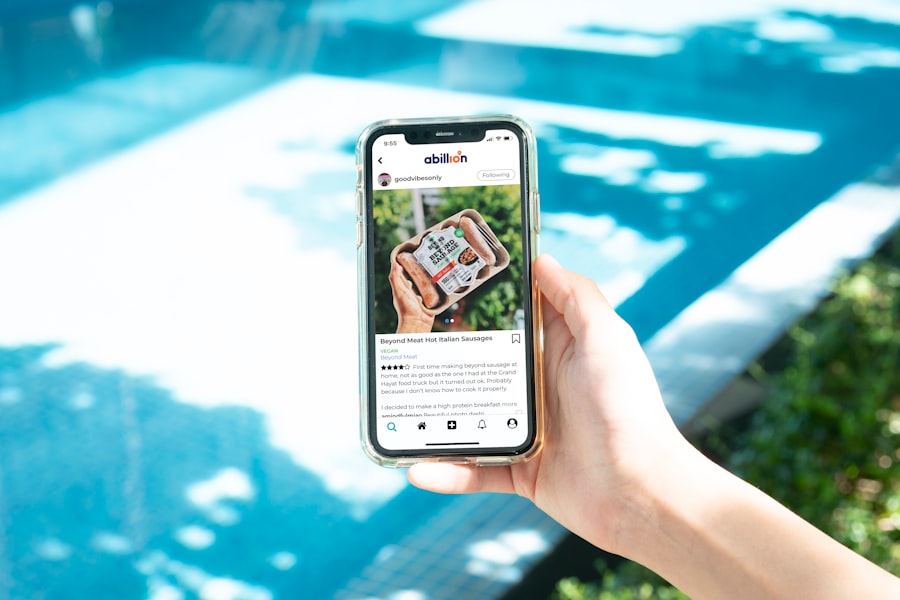
To ensure that your social media marketing efforts are effective, it is essential to measure and analyze their success regularly. Most social media platforms provide analytics tools that offer insights into engagement metrics such as likes, shares, comments, and click-through rates. By monitoring these metrics, you can gain valuable insights into what types of content resonate most with your audience and adjust your strategy accordingly.
For instance, if you notice that video content consistently garners higher engagement than static posts, you may want to prioritize video production in your future campaigns. Beyond engagement metrics, tracking conversion rates is crucial for understanding the return on investment (ROI) of your social media marketing efforts. This involves analyzing how many leads or sales were generated as a direct result of your social media activities.
Utilizing tools like Google Analytics can help you track website traffic originating from social media platforms and assess how effectively those visitors convert into clients. By regularly reviewing these metrics and adjusting your strategy based on data-driven insights, you can continuously improve your social media marketing efforts in the competitive real estate landscape.
Exploring Different Real Estate Social Media Marketing Packages and Services
As the demand for effective social media marketing continues to grow within the real estate sector, various packages and services have emerged to cater to different needs and budgets. Many agencies offer comprehensive social media management services that include content creation, posting schedules, engagement monitoring, and analytics reporting. These packages can be particularly beneficial for busy real estate professionals who may not have the time or expertise to manage their social media presence effectively.
Additionally, some companies specialize in targeted advertising campaigns tailored specifically for real estate businesses. These services often include ad design, audience targeting strategies, and performance tracking to ensure optimal results. For those looking for more hands-on involvement, there are also training programs available that teach real estate agents how to leverage social media effectively on their own.
By exploring these various packages and services, agents can find solutions that align with their specific goals and resources.
Tips for Maximizing Your Reach and Engagement on Social Media for Real Estate Marketing
To maximize reach and engagement on social media for real estate marketing, consistency is key. Regularly posting high-quality content keeps your audience engaged and informed about new listings or market trends. Establishing a content calendar can help ensure that you maintain a steady flow of posts while allowing you to plan ahead for seasonal promotions or events.
Engagement is another critical factor; responding promptly to comments and messages fosters a sense of community and encourages further interaction from followers. Utilizing hashtags strategically can also enhance discoverability; research popular hashtags within the real estate niche as well as local tags relevant to your market area. Additionally, hosting contests or giveaways can incentivize followers to engage with your content while expanding your reach through shares and tags.
Incorporating storytelling into your posts can also create a more personal connection with your audience. Sharing success stories from past clients or detailing the journey of a property from listing to sale adds depth to your marketing efforts. By combining these strategies—consistency in posting, active engagement with followers, strategic use of hashtags, and compelling storytelling—you can significantly enhance your social media presence in the competitive realm of real estate marketing.