Sustainable and green living has emerged as a critical focus in contemporary society, driven by the urgent need to address climate change and environmental degradation. This lifestyle emphasizes the importance of reducing one’s carbon footprint through various means, such as utilizing renewable energy sources, minimizing waste, and promoting biodiversity. For instance, many households are now adopting solar panels to harness energy from the sun, significantly reducing reliance on fossil fuels.
Additionally, rainwater harvesting systems are becoming increasingly popular, allowing homeowners to collect and utilize rainwater for irrigation and other non-potable uses. These practices not only contribute to environmental conservation but also lead to long-term cost savings for residents. Moreover, sustainable living extends beyond individual actions to encompass community initiatives that promote eco-friendly practices.

Urban gardens and community-supported agriculture (CSA) programs are excellent examples of how neighborhoods can come together to cultivate local food sources while reducing transportation emissions associated with food distribution. These initiatives foster a sense of community and encourage individuals to engage with their environment more consciously. Furthermore, the use of sustainable materials in construction, such as reclaimed wood and recycled steel, is gaining traction in the building industry.
This shift not only reduces the demand for new resources but also minimizes waste in landfills, contributing to a more sustainable future.
Key Takeaways
- Emphasis on eco-friendly materials and energy-efficient homes promotes sustainable living.
- Smart home technologies enhance convenience and connectivity in modern residences.
- Shared community spaces foster social interaction and a sense of belonging.
- Flexible layouts accommodate changing lifestyles and multi-functional uses.
- Wellness-focused designs prioritize natural light, air quality, and mental health benefits.
Technology Integration in Living Spaces
The integration of technology into living spaces has revolutionized the way we interact with our homes. Smart home devices, such as thermostats, lighting systems, and security cameras, allow homeowners to control various aspects of their living environment remotely. For example, smart thermostats can learn a resident’s schedule and adjust heating or cooling accordingly, leading to increased energy efficiency and comfort.
Additionally, voice-activated assistants like Amazon Alexa or Google Home enable users to manage their home systems hands-free, creating a seamless living experience that enhances convenience. Furthermore, the Internet of Things (IoT) has paved the way for interconnected devices that communicate with one another, creating a cohesive ecosystem within the home. This technology allows for real-time monitoring of energy consumption, enabling residents to make informed decisions about their usage patterns.
For instance, smart appliances can notify users when they are operating inefficiently or suggest optimal times for use based on energy rates. As technology continues to evolve, the potential for further integration into living spaces grows, promising even greater efficiency and enhanced quality of life.
Community and Shared Spaces
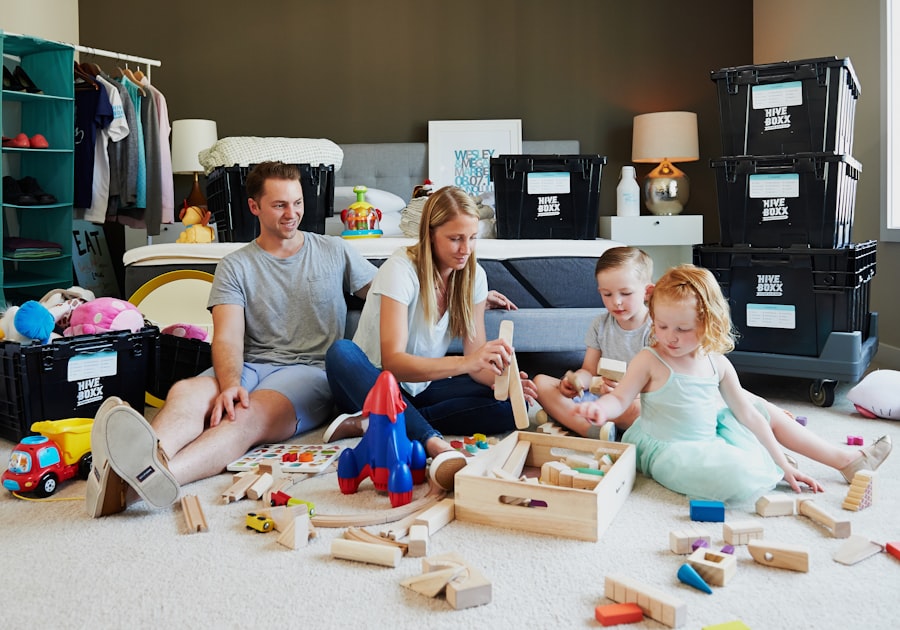
The concept of community and shared spaces is gaining prominence as urban areas become increasingly crowded and resources become scarcer. Shared spaces foster social interaction and collaboration among residents, creating a sense of belonging that is often lacking in modern urban environments. Co-housing communities exemplify this trend by providing private living quarters alongside shared facilities such as kitchens, gardens, and recreational areas.
These arrangements not only reduce individual living costs but also encourage communal activities that strengthen relationships among neighbors. In addition to co-housing, public parks and community centers play a vital role in promoting social cohesion. These spaces serve as gathering points for residents to engage in recreational activities, cultural events, and educational programs.
For example, community gardens not only provide fresh produce but also serve as venues for workshops on sustainable gardening practices. By fostering collaboration and interaction among residents, shared spaces contribute to a more vibrant and resilient community fabric.
Flexible and Adaptable Living Arrangements
As lifestyles evolve and the nature of work changes, flexible and adaptable living arrangements have become increasingly important. The rise of remote work has led many individuals to seek homes that can accommodate both personal and professional needs. This has resulted in a growing demand for multifunctional spaces that can easily transition from work environments to relaxation areas.
For instance, a spare bedroom may be transformed into a home office during the day and revert back to a guest room at night. Moreover, modular housing is gaining traction as a solution to the need for flexibility in living arrangements. These homes can be easily reconfigured or expanded based on changing family dynamics or personal preferences.
For example, a family may start with a small modular unit that can be expanded as children grow or as financial circumstances change. This adaptability not only meets the immediate needs of residents but also promotes sustainability by reducing the need for new construction materials.
Wellness and Health-Centric Design
| Year | New Units Built (Thousands) | Average Rent (USD) | Vacancy Rate (%) | Homeownership Rate (%) | Urban vs Suburban Development (%) |
|---|---|---|---|---|---|
| 2018 | 320 | 1,200 | 6.5 | 64.4 | Urban 55 / Suburban 45 |
| 2019 | 350 | 1,250 | 6.0 | 63.9 | Urban 57 / Suburban 43 |
| 2020 | 370 | 1,300 | 7.2 | 64.8 | Urban 60 / Suburban 40 |
| 2021 | 400 | 1,350 | 5.8 | 65.1 | Urban 62 / Suburban 38 |
| 2022 | 420 | 1,400 | 5.5 | 64.7 | Urban 63 / Suburban 37 |
| 2023 | 450 | 1,450 | 5.2 | 64.3 | Urban 65 / Suburban 35 |
The design of living spaces is increasingly prioritizing wellness and health-centric principles, reflecting a growing awareness of the impact of our environments on physical and mental well-being. Biophilic design, which incorporates natural elements into built environments, is one approach that has gained popularity in recent years. This design philosophy emphasizes the connection between humans and nature by integrating features such as natural light, greenery, and water elements into residential spaces.
Studies have shown that exposure to nature can reduce stress levels and improve overall mental health. In addition to biophilic design, wellness-focused amenities are becoming standard in many residential developments. Features such as fitness centers, yoga studios, and meditation rooms are increasingly common in apartment complexes and housing communities.
These amenities encourage residents to prioritize their health by providing convenient access to physical activity and relaxation spaces. Furthermore, the incorporation of air purification systems and non-toxic building materials contributes to healthier indoor environments, reducing allergens and pollutants that can negatively impact residents’ health.
Affordable Housing Solutions
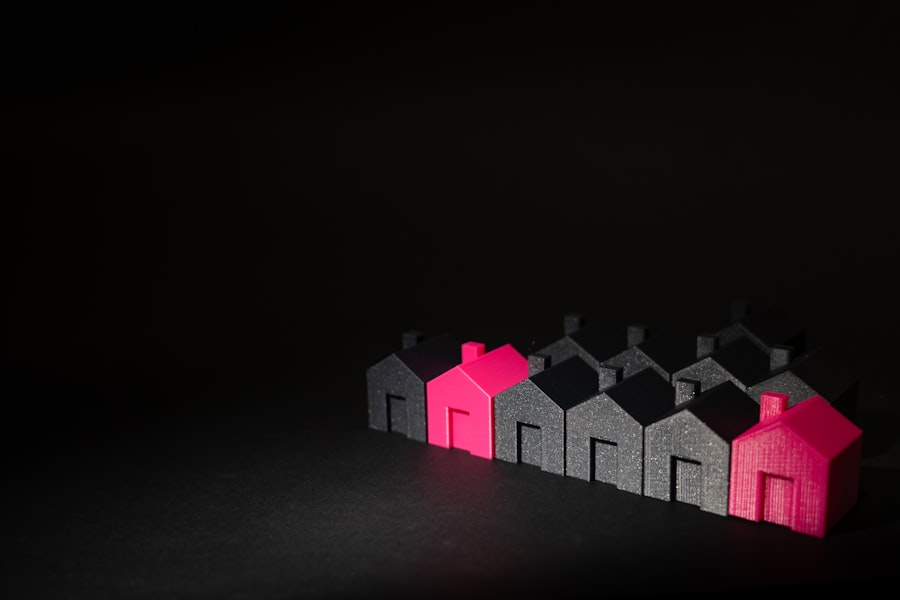
The challenge of affordable housing is a pressing issue in many urban areas around the world. As housing prices continue to rise, innovative solutions are being explored to provide accessible options for low- and middle-income families. One approach gaining traction is the development of tiny homes or micro-apartments that maximize space efficiency while minimizing costs.
These compact living units often feature multifunctional furniture and smart storage solutions that allow residents to live comfortably within smaller footprints. Another effective strategy is the implementation of inclusionary zoning policies that require developers to allocate a percentage of new housing units for affordable housing. This approach not only increases the availability of affordable options but also promotes socioeconomic diversity within neighborhoods.
Additionally, community land trusts (CLTs) are emerging as a viable model for ensuring long-term affordability by removing land from the speculative market and maintaining it as a community asset. By prioritizing affordable housing solutions, cities can work towards creating more equitable living environments for all residents.
Urbanization and Mixed-Use Developments
Urbanization continues to shape the landscape of modern cities, leading to an increased focus on mixed-use developments that combine residential, commercial, and recreational spaces within a single area. This approach promotes walkability and reduces reliance on automobiles by creating vibrant neighborhoods where residents can live, work, and play in close proximity. For example, mixed-use developments often feature ground-floor retail spaces alongside residential units, allowing residents easy access to shops, restaurants, and services without needing to travel far from home.
Moreover, mixed-use developments contribute to economic vitality by attracting businesses and fostering job creation within communities. By integrating various functions within a single development, these projects encourage social interaction among residents while also supporting local economies. The rise of urban co-living spaces exemplifies this trend by offering shared amenities such as kitchens and lounges while providing private sleeping quarters for residents.
This model not only maximizes space efficiency but also cultivates a sense of community among diverse groups of individuals.
Luxury Amenities and High-End Design
In contrast to affordable housing solutions, luxury amenities and high-end design continue to define certain segments of the real estate market. Developers are increasingly focusing on creating opulent living environments that cater to affluent buyers seeking exclusive experiences within their homes. High-end residential buildings often feature amenities such as rooftop pools, state-of-the-art fitness centers, concierge services, and private screening rooms that elevate the living experience beyond mere shelter.
The emphasis on high-quality materials and sophisticated design elements is also prevalent in luxury developments. Custom finishes, designer kitchens equipped with top-of-the-line appliances, and expansive outdoor spaces are just a few examples of how high-end properties differentiate themselves in a competitive market. Additionally, many luxury developments are incorporating sustainable practices into their designs by utilizing eco-friendly materials and energy-efficient technologies without compromising on aesthetics or comfort.
This blend of luxury with sustainability reflects a growing awareness among affluent buyers who seek both elegance and environmental responsibility in their living spaces.