
The real estate industry encompasses the purchase, sale, leasing, and management of land and properties, including residential homes, commercial buildings, and industrial facilities. This sector significantly impacts global economic activity through its influence on urban development, economic growth, and community planning. As urban populations increase and cities expand, real estate demand patterns shift, creating a market that responds to economic conditions and demographic changes.
The industry involves multiple participants, including property buyers, sellers, investors, developers, real estate agents, property managers, and regulatory agencies. These stakeholders engage in complex transactions governed by legal frameworks that vary by jurisdiction. Regional regulations affect property development standards, zoning requirements, sales procedures, and management practices.

The sector’s complexity stems from the intersection of financial markets, construction industries, legal systems, and local government policies that collectively shape how properties are developed, marketed, and transferred between parties.
Key Takeaways
- The real estate industry encompasses residential, commercial, and investment sectors with diverse key players.
- Current trends include market fluctuations, regulatory challenges, and evolving consumer preferences.
- Residential and commercial markets show distinct dynamics influenced by economic and demographic factors.
- Technology and innovation are transforming real estate through digital tools, data analytics, and smart property solutions.
- The future outlook highlights growth opportunities alongside challenges such as sustainability and market volatility.
Key Players in the Real Estate Industry

The real estate industry comprises a diverse array of key players, each with distinct roles and responsibilities. At the forefront are real estate agents and brokers who facilitate transactions between buyers and sellers. These professionals possess in-depth knowledge of local markets and trends, enabling them to provide valuable insights to their clients.
Their expertise often extends to pricing strategies, marketing techniques, and negotiation tactics, making them indispensable in the buying and selling process. Developers are another critical component of the real estate landscape. They are responsible for transforming land into usable properties, whether residential, commercial, or mixed-use developments.
Developers conduct feasibility studies, secure financing, and navigate zoning laws to bring their projects to fruition. Their work not only shapes the physical environment but also influences economic activity by creating jobs and stimulating local economies. Additionally, investors play a vital role in the industry by providing capital for real estate projects.
They may invest in individual properties or larger portfolios, seeking returns through rental income or property appreciation.
Trends and Challenges in the Real Estate Industry

The real estate industry is constantly evolving, influenced by various trends that shape its trajectory. One significant trend is the increasing demand for sustainable and eco-friendly buildings. As awareness of climate change grows, both consumers and investors are prioritizing properties that incorporate green technologies and sustainable practices.
This shift is prompting developers to adopt energy-efficient designs, utilize renewable materials, and implement smart building technologies that reduce environmental impact. However, the industry also faces numerous challenges that can hinder growth and profitability. Economic fluctuations can lead to market volatility, affecting property values and investment returns.
Additionally, rising interest rates can make borrowing more expensive for both buyers and developers, potentially slowing down new construction projects. Regulatory hurdles can also pose significant challenges; zoning laws, building codes, and environmental regulations can complicate development processes and increase costs. Navigating these challenges requires strategic planning and adaptability from all stakeholders involved in the real estate sector.
Residential Real Estate Market Overview
The residential real estate market is a vital segment of the overall industry, encompassing single-family homes, condominiums, townhouses, and rental properties. This market is heavily influenced by demographic trends such as population growth, migration patterns, and changing household compositions. For instance, millennials have increasingly entered the housing market as they reach prime home-buying age, driving demand for starter homes and urban living spaces.
In recent years, the residential market has experienced significant fluctuations due to various factors including economic conditions and interest rates. The COVID-19 pandemic had a profound impact on housing demand as remote work became more prevalent. Many individuals sought larger homes or properties in suburban areas where they could enjoy more space and outdoor amenities.
This shift led to increased competition in certain markets, resulting in rising home prices and bidding wars. Additionally, low mortgage rates during this period further fueled demand, making homeownership more accessible for many buyers.
Commercial Real Estate Market Overview
| Metric | Value | Unit | Notes |
|---|---|---|---|
| Average Home Price | 420,000 | USD | National average for residential properties |
| Annual Home Sales | 5.5 | Million units | Number of homes sold in the past year |
| Mortgage Interest Rate | 6.5 | % | Average 30-year fixed mortgage rate |
| Rental Vacancy Rate | 6.8 | % | Percentage of rental properties vacant |
| New Housing Starts | 1.2 | Million units | New residential construction projects started |
| Commercial Real Estate Investment | 350 | Billion USD | Annual investment volume in commercial properties |
| Homeownership Rate | 65.8 | % | Percentage of households owning their home |
| Average Days on Market | 45 | Days | Average time a property stays on the market before sale |
The commercial real estate market encompasses properties used for business purposes, including office buildings, retail spaces, industrial facilities, and multifamily housing units. This sector is closely tied to economic performance; as businesses expand or contract based on market conditions, so too does the demand for commercial space. For example, during periods of economic growth, companies may seek larger office spaces or new retail locations to accommodate increased consumer spending.
The commercial real estate landscape has been significantly impacted by technological advancements and changing consumer behaviors. The rise of e-commerce has transformed the retail sector, leading to a decline in demand for traditional brick-and-mortar stores while increasing the need for logistics centers and warehouses. Additionally, the COVID-19 pandemic accelerated trends toward remote work, prompting many companies to reevaluate their office space needs.
As a result, flexible workspaces and co-working environments have gained popularity as businesses seek cost-effective solutions that allow for adaptability in an uncertain economic climate.
Real Estate Investment Opportunities
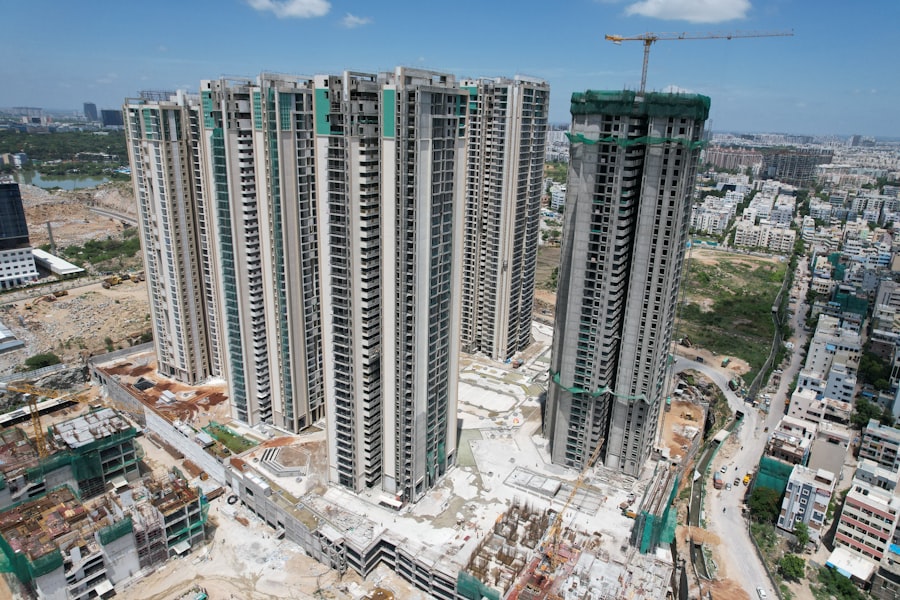
Investing in real estate presents a myriad of opportunities for individuals and institutions alike. One of the most common forms of investment is purchasing residential properties for rental income. Investors can benefit from steady cash flow while also enjoying potential appreciation in property value over time.
This strategy often involves acquiring single-family homes or multi-family units in desirable locations where rental demand is strong. Commercial real estate also offers lucrative investment opportunities. Investors can acquire office buildings or retail spaces with long-term leases in place, providing stable income streams.
Additionally, real estate investment trusts (REITs) have become increasingly popular as they allow individuals to invest in diversified portfolios of real estate assets without directly owning properties. REITs provide liquidity and accessibility to a broader range of investors while offering potential dividends based on rental income generated by the underlying properties.
Technology and Innovation in the Real Estate Industry
Technology has revolutionized the real estate industry in recent years, introducing innovative solutions that enhance efficiency and improve user experiences. One notable advancement is the use of virtual reality (VR) and augmented reality (AR) tools that allow potential buyers to tour properties remotely. These technologies enable immersive experiences that can showcase properties in ways traditional methods cannot achieve.
Moreover, data analytics has become an essential tool for real estate professionals seeking to make informed decisions. By analyzing market trends, demographic data, and consumer preferences, stakeholders can identify lucrative investment opportunities or optimize property management strategies. Additionally, blockchain technology is beginning to make its mark on real estate transactions by providing secure and transparent methods for property transfers and title management.
Future Outlook for the Real Estate Industry
Looking ahead, the future of the real estate industry appears poised for continued evolution driven by demographic shifts, technological advancements, and changing consumer preferences. As urbanization continues to rise globally, cities will face increasing pressure to accommodate growing populations while addressing sustainability concerns. This may lead to innovative urban planning solutions that prioritize mixed-use developments and green spaces.
Furthermore, as remote work becomes more entrenched in corporate culture, the demand for flexible living arrangements may reshape residential markets. Developers may focus on creating adaptable spaces that cater to diverse lifestyles while incorporating smart home technologies that enhance convenience and energy efficiency. Overall, while challenges remain—such as economic uncertainties and regulatory complexities—the real estate industry is likely to adapt and thrive in response to emerging trends and opportunities in the years to come.