
In recent years, co-living spaces have emerged as a transformative trend in urban housing, catering to the evolving needs of modern residents. This innovative housing model combines private living quarters with shared communal areas, fostering a sense of community among residents. The rise of co-living can be attributed to several factors, including the increasing cost of living in urban centers, a growing preference for experiences over material possessions, and the desire for social interaction in an increasingly isolated world.
As cities become more congested and expensive, co-living offers an attractive alternative for young professionals, students, and even digital nomads seeking affordable yet vibrant living environments. Co-living spaces often feature fully furnished apartments with shared amenities such as kitchens, lounges, and coworking areas. This arrangement not only reduces living costs but also encourages collaboration and networking among residents.

For instance, companies like WeLive and Common have successfully established co-living communities that emphasize both affordability and lifestyle. These spaces often host events, workshops, and social gatherings, creating a dynamic atmosphere that appeals to those who value community engagement. As urban populations continue to swell, the demand for co-living arrangements is expected to grow, reshaping the landscape of urban housing.
Key Takeaways
- Co-living spaces are becoming increasingly popular as a modern housing solution.
- Sustainable design and eco-friendly materials are key trends in property development.
- Technology is transforming property management through automation and smart systems.
- Remote work is reshaping real estate demand, emphasizing flexible and home-office-friendly spaces.
- Community engagement and wellness amenities are crucial factors in successful property projects.
Sustainable and Eco-friendly Design

Sustainability has become a cornerstone of modern architecture and property development, driven by a collective awareness of environmental issues and the urgent need for eco-friendly solutions. Developers are increasingly prioritizing sustainable design principles in their projects, focusing on energy efficiency, resource conservation, and minimal environmental impact. This shift is not merely a trend; it reflects a broader societal commitment to combating climate change and promoting responsible living.
For example, buildings designed with green roofs, solar panels, and rainwater harvesting systems exemplify how architecture can harmonize with nature while reducing carbon footprints. Moreover, sustainable design extends beyond individual buildings to encompass entire communities. Urban planners are now integrating green spaces, pedestrian-friendly pathways, and public transportation options into their designs to create holistic environments that promote healthy living.
The Bullitt Center in Seattle serves as a prime example of this approach. Dubbed the “greenest commercial building in the world,” it features a range of sustainable technologies, including composting toilets and a rainwater collection system that meets all its water needs. Such projects not only demonstrate the feasibility of eco-friendly design but also inspire other developers to adopt similar practices.
Technology Integration in Property Management
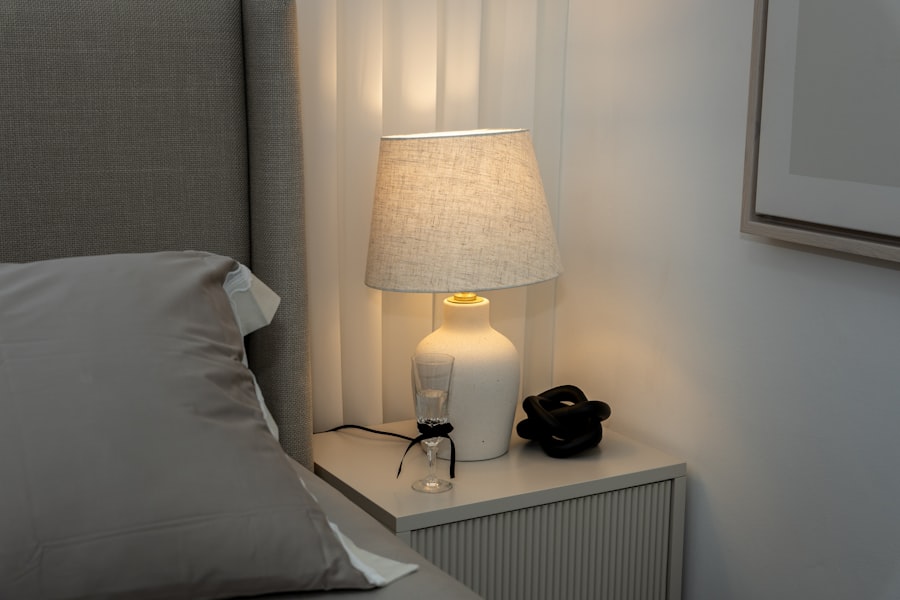
The integration of technology into property management has revolutionized the real estate industry, enhancing efficiency and improving tenant experiences. Smart building technologies are now commonplace, allowing property managers to monitor systems such as heating, ventilation, air conditioning (HVAC), and security remotely. This level of control not only streamlines operations but also contributes to energy savings and improved tenant comfort.
For instance, smart thermostats can adjust temperatures based on occupancy patterns, reducing energy consumption while maintaining a pleasant living environment. Additionally, property management software has transformed how landlords interact with tenants. Platforms like Buildium and AppFolio enable seamless communication between property managers and residents, facilitating maintenance requests, rent payments, and community announcements.
This technological shift fosters transparency and responsiveness, which are crucial for tenant satisfaction. Furthermore, the rise of virtual tours and augmented reality applications has changed how properties are marketed and leased. Prospective tenants can now explore spaces remotely, making informed decisions without the need for physical visits.
This integration of technology not only enhances operational efficiency but also aligns with the expectations of a tech-savvy generation.
The Impact of Remote Work on Real Estate
| Metric | Pre-Remote Work (2019) | Post-Remote Work Adoption (2023) | Change (%) | Notes |
|---|---|---|---|---|
| Commercial Office Vacancy Rate | 12% | 18% | +50% | Increased vacancies due to reduced office space demand |
| Average Office Rent per Sq Ft | 45 | 40 | -11% | Decline in rental prices in major metro areas |
| Residential Real Estate Demand in Suburbs | Baseline | +25% | +25% | Increased demand as workers move away from city centers |
| Home Office Space Addition Requests | 5% | 30% | +500% | More homeowners adding dedicated workspaces |
| Co-working Space Utilization | 70% | 50% | -29% | Drop due to hybrid and fully remote work models |
| Commercial Real Estate Investment | 100 (Index) | 85 (Index) | -15% | Reduced investor confidence in office properties |
The COVID-19 pandemic has fundamentally altered the landscape of work, leading to a significant increase in remote work arrangements. This shift has had profound implications for the real estate market, influencing both residential and commercial properties. As employees embrace flexible work schedules and the option to work from home, there has been a notable demand for larger living spaces that accommodate home offices.
Many individuals are seeking properties with dedicated workspaces or additional rooms that can be converted into offices, prompting developers to rethink their designs. Moreover, the rise of remote work has led to a reevaluation of location preferences. Urban centers that were once considered prime real estate are now facing competition from suburban and rural areas as people seek more affordable housing options without sacrificing quality of life.
This trend has resulted in increased interest in properties outside major metropolitan areas, where residents can enjoy larger homes and access to nature while still being within commuting distance of urban job markets. Consequently, real estate developers are adapting their strategies to cater to this new demographic shift, focusing on creating attractive living environments in previously overlooked regions.
The Shift Towards Urban Revitalization
Urban revitalization has gained momentum as cities strive to breathe new life into neglected neighborhoods and enhance their overall appeal. This movement is characterized by a focus on restoring historical buildings, improving infrastructure, and creating vibrant public spaces that foster community engagement. As cities grapple with issues such as population decline and economic stagnation, revitalization efforts aim to attract residents and businesses back to urban centers.
For example, initiatives like the High Line in New York City have transformed abandoned railway tracks into lush green spaces that draw millions of visitors each year. Revitalization projects often prioritize mixed-use developments that combine residential, commercial, and recreational spaces. This approach not only enhances the urban landscape but also promotes walkability and accessibility.
Cities like Detroit have embraced this model by repurposing old factories into trendy lofts and art galleries while simultaneously investing in public transportation systems to connect neighborhoods more effectively. By fostering a sense of place and community identity, urban revitalization efforts contribute to economic growth and social cohesion.
The Influence of Wellness Amenities on Property Development

The growing emphasis on health and wellness has significantly influenced property development trends in recent years. Developers are increasingly incorporating wellness amenities into their projects to cater to the rising demand for healthier living environments. Features such as fitness centers, yoga studios, outdoor green spaces, and access to natural light are becoming standard offerings in residential buildings.
This shift reflects a broader societal recognition of the importance of physical and mental well-being in daily life. For instance, properties like The Well in New York City exemplify this trend by integrating wellness-focused amenities into their design. The building features a state-of-the-art fitness center, meditation rooms, and communal gardens that encourage residents to prioritize their health.
Additionally, developers are paying closer attention to indoor air quality by utilizing non-toxic materials and advanced ventilation systems to create healthier living spaces. As awareness of wellness continues to grow, it is likely that property developers will increasingly prioritize these amenities as essential components of their projects.
The Growing Demand for Flexible Living Arrangements
The demand for flexible living arrangements has surged as individuals seek housing solutions that adapt to their changing lifestyles. Factors such as job mobility, family dynamics, and personal preferences have led many people to prioritize flexibility in their living situations. Co-living spaces are one manifestation of this trend; however, it extends beyond shared housing models to include short-term rentals and adaptable floor plans within traditional apartments.
Developers are responding to this demand by creating properties that offer various leasing options and customizable layouts. For example, some apartment complexes now feature modular designs that allow residents to reconfigure their living spaces based on their needs at different life stages. Additionally, platforms like Airbnb have popularized short-term rentals as viable alternatives for those seeking temporary housing solutions without long-term commitments.
This flexibility not only caters to transient populations but also appeals to individuals who value experiences over ownership.
The Role of Community Engagement in Property Development
Community engagement has become an essential aspect of property development as stakeholders recognize the importance of involving local residents in the planning process. Engaging communities fosters transparency and trust while ensuring that developments align with the needs and desires of those who will be most affected by them. Developers are increasingly hosting public forums, workshops, and surveys to gather input from residents before finalizing their plans.
For instance, the redevelopment of the former Pruitt-Igoe housing project in St. Louis involved extensive community consultation to ensure that new developments would address past failures while meeting current needs. By prioritizing community engagement, developers can create spaces that resonate with local identities and foster a sense of belonging among residents.
This collaborative approach not only enhances project outcomes but also contributes to long-term community sustainability by empowering residents to take an active role in shaping their environments. In conclusion, the real estate landscape is undergoing significant transformations driven by various social trends and technological advancements. From co-living spaces that promote community living to sustainable design practices that prioritize environmental responsibility, these changes reflect a broader shift towards more adaptable and inclusive urban environments.
As we move forward into an increasingly interconnected world, understanding these trends will be crucial for stakeholders across the real estate spectrum.