
The real estate market is undergoing a transformative phase, influenced by a confluence of technological advancements, shifting demographics, and evolving consumer preferences. As we navigate through the complexities of the 21st century, it becomes increasingly evident that traditional paradigms are being challenged and reshaped. The emergence of new trends is not merely a reflection of changing times but a response to the dynamic interplay of economic, social, and environmental factors.
Investors, developers, and policymakers are compelled to adapt to these trends to remain competitive and relevant in an ever-evolving landscape. One of the most significant aspects of this transformation is the integration of technology into real estate practices. Innovations such as artificial intelligence (AI), big data analytics, and smart home technologies are revolutionizing how properties are bought, sold, and managed.

Additionally, the growing emphasis on sustainability and eco-friendliness is reshaping development practices, as stakeholders increasingly recognize the importance of environmental stewardship. As we delve deeper into these emerging trends, it becomes clear that the future of real estate will be characterized by a blend of technological innovation, demographic shifts, and a heightened awareness of health and wellness.
Key Takeaways
- AI and big data are transforming real estate market analysis and decision-making.
- Sustainable and eco-friendly developments are becoming key priorities in real estate projects.
- Millennial homebuyers are reshaping demand with different preferences and priorities.
- Remote work trends are driving changes in residential and commercial real estate needs.
- Smart cities and health-focused designs are increasingly influencing urban real estate development.
Technology and Real Estate: The Impact of AI and Big Data

The advent of artificial intelligence and big data has ushered in a new era for the real estate industry, fundamentally altering how market analysis, property management, and customer engagement are conducted. AI algorithms can analyze vast amounts of data to identify patterns and trends that would be nearly impossible for humans to discern. For instance, predictive analytics can forecast property values based on historical data, economic indicators, and even social media sentiment.
This capability allows investors to make informed decisions about where to allocate their resources, ultimately leading to more strategic investments. Moreover, big data plays a crucial role in enhancing customer experiences. Real estate platforms now leverage data analytics to provide personalized property recommendations based on user preferences and behaviors.
For example, companies like Zillow and Redfin utilize machine learning algorithms to refine their search functionalities, ensuring that potential buyers are presented with properties that align closely with their needs. This level of customization not only improves user satisfaction but also streamlines the buying process, making it more efficient for both buyers and sellers.
Sustainable and Eco-friendly Real Estate Developments
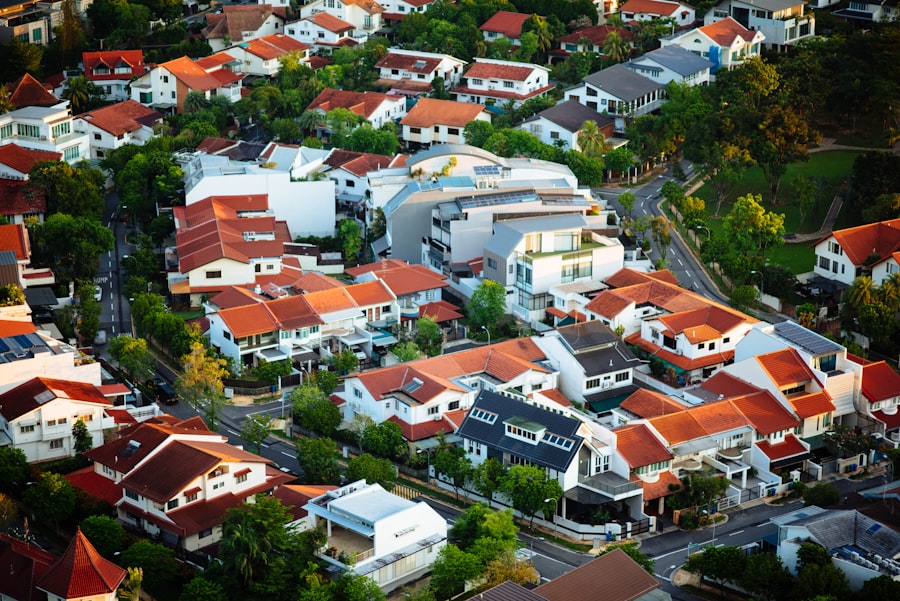
As global awareness of climate change and environmental degradation grows, the real estate sector is increasingly prioritizing sustainability in its development practices. Eco-friendly buildings are no longer just a niche market; they have become a mainstream expectation among consumers and investors alike. Developers are now incorporating green building materials, energy-efficient systems, and sustainable design principles into their projects to minimize environmental impact.
For instance, LEED (Leadership in Energy and Environmental Design) certification has become a benchmark for sustainable construction, encouraging developers to adopt practices that reduce energy consumption and promote resource conservation. In addition to energy efficiency, sustainable developments often focus on creating healthier living environments. This includes incorporating natural light, improving indoor air quality, and providing access to green spaces.
A notable example is the Hudson Yards project in New York City, which integrates green roofs and public parks into its design. Such developments not only appeal to environmentally conscious consumers but also enhance property values by creating desirable living conditions. As sustainability becomes a core value for many buyers, the demand for eco-friendly properties is expected to continue rising.
Shifting Demographics and the Rise of Millennial Homebuyers
| Metric | Value | Notes |
|---|---|---|
| Percentage of Homebuyers who are Millennials | 38% | Millennials represent the largest share of homebuyers in recent years |
| Average Age of Millennial Homebuyers | 32 years | Reflects the prime homebuying age for this demographic |
| First-Time Homebuyer Rate among Millennials | 65% | Majority of millennial buyers are purchasing their first home |
| Preferred Home Type | Single-family homes (55%) | Millennials show a preference for suburban single-family homes |
| Average Home Size Purchased | 1,800 sq ft | Smaller than previous generations’ average home size |
| Common Motivations for Buying | Starting a family (45%), Investment (30%) | Family formation and financial investment are key drivers |
| Impact on Housing Market | Increased demand in suburban and urban areas | Millennials influence market trends and housing development |
The demographic landscape of homebuyers is shifting dramatically, with millennials emerging as a dominant force in the real estate market. This generation, born between 1981 and 1996, is now entering its prime homebuying years. However, their approach to homeownership differs significantly from that of previous generations.
Many millennials prioritize affordability and flexibility over traditional notions of homeownership. They are more likely to seek out urban locations with access to amenities and public transportation rather than suburban areas that may offer larger homes but lack vibrancy. Additionally, millennials are increasingly influenced by technology in their homebuying journey.
They rely heavily on online resources for research and property listings, often using mobile apps to streamline their search process. Virtual tours and augmented reality tools have become essential in helping them visualize properties without needing to visit in person. This tech-savvy approach not only reflects their lifestyle preferences but also underscores the importance of digital marketing strategies for real estate professionals aiming to engage this demographic effectively.
The Influence of Remote Work on Real Estate Demand
The COVID-19 pandemic has accelerated the trend toward remote work, fundamentally altering how individuals view their living spaces. As companies embrace flexible work arrangements, many employees are no longer tethered to traditional office locations. This shift has led to increased demand for homes that accommodate remote work needs—such as dedicated office spaces or multi-functional rooms that can serve as work areas.
Consequently, suburban and rural properties have gained popularity as buyers seek larger homes with more space for both living and working. Moreover, the rise of remote work has prompted a reevaluation of urban living. While cities have historically been attractive due to job opportunities and cultural amenities, the necessity for proximity to workplaces has diminished for many individuals.
As a result, some urban dwellers are opting for homes in less densely populated areas where they can enjoy a higher quality of life at a lower cost. This trend has implications for urban real estate markets as well; developers may need to rethink their strategies to attract residents who now prioritize space and comfort over urban convenience.
Urbanization and the Development of Smart Cities

Urbanization continues to shape the global landscape as more people migrate to cities in search of better opportunities. This trend has given rise to the concept of smart cities—urban areas that leverage technology to enhance the quality of life for residents while promoting sustainability and efficiency. Smart cities utilize interconnected systems that integrate data from various sources to optimize services such as transportation, energy management, waste disposal, and public safety.
For instance, cities like Barcelona have implemented smart traffic management systems that use real-time data to reduce congestion and improve public transportation efficiency. Similarly, smart grids enable better energy distribution by monitoring consumption patterns and adjusting supply accordingly. These innovations not only enhance urban living but also create opportunities for real estate developers who can incorporate smart technologies into new projects.
As urban populations continue to grow, the demand for smart city developments is expected to rise significantly.
The Growing Importance of Health and Wellness in Real Estate
In recent years, there has been a marked shift towards prioritizing health and wellness in real estate development. This trend reflects a broader societal recognition of the impact that living environments have on physical and mental well-being. Developers are increasingly incorporating features that promote healthy lifestyles—such as fitness centers, walking trails, green spaces, and access to natural light—into their projects.
The COVID-19 pandemic has further amplified this focus on health within real estate. Buyers are now more attuned to factors such as air quality, access to outdoor spaces, and community amenities that support active living. For example, residential communities that offer amenities like yoga studios or communal gardens are becoming increasingly attractive to health-conscious buyers.
Additionally, wellness certifications like WELL Building Standard are gaining traction as developers seek to differentiate their properties by emphasizing health-oriented design principles.
The Role of Real Estate in the Sharing Economy
The sharing economy has disrupted traditional business models across various sectors, including real estate. Platforms like Airbnb have transformed how people think about property ownership and rental arrangements by enabling homeowners to monetize their spaces through short-term rentals. This shift has created new opportunities for property owners while also posing challenges for traditional hospitality businesses.
Moreover, co-living spaces have emerged as a popular alternative for individuals seeking affordable housing options in urban areas. These shared living arrangements cater primarily to young professionals who value community and flexibility over traditional leases. By offering fully furnished units with shared amenities such as kitchens and lounges, co-living spaces provide an attractive solution for those navigating high rental costs in metropolitan areas.
As the sharing economy continues to evolve, real estate professionals must adapt their strategies accordingly. Understanding how these platforms operate and recognizing the potential benefits they offer can help investors capitalize on emerging opportunities while navigating regulatory challenges associated with short-term rentals. In summary, the real estate market is experiencing profound changes driven by technological advancements, demographic shifts, sustainability concerns, remote work trends, urbanization efforts, health consciousness, and the rise of the sharing economy.
Stakeholders must remain vigilant in adapting to these emerging trends to thrive in an increasingly complex landscape.