Real estate flyers serve as a vital marketing tool in the competitive landscape of property sales. These printed materials are designed to capture the attention of potential buyers and convey essential information about a property in a concise and visually appealing manner. In an industry where first impressions can make or break a sale, a well-crafted flyer can be the difference between a property languishing on the market and one that attracts immediate interest.
The tactile nature of flyers allows them to stand out in a digital world, providing a tangible representation of a property that can be easily shared and referenced. The effectiveness of real estate flyers lies not only in their design but also in their strategic distribution. They can be placed in high-traffic areas, handed out during open houses, or mailed directly to targeted neighborhoods.

This multifaceted approach ensures that the flyer reaches a diverse audience, increasing the likelihood of connecting with potential buyers. As real estate professionals continue to adapt to changing market dynamics, understanding how to leverage flyers effectively becomes paramount for success.
Key Takeaways
- Real estate flyers are a powerful marketing tool to showcase homes and attract potential buyers.
- Effective flyer design includes clear layout, essential property details, and high-quality images.
- Including a strong call-to-action encourages prospective buyers to take the next step.
- Eye-catching visuals and concise information help flyers stand out in a competitive market.
- Showcasing stunning homes with appealing photos increases buyer interest and engagement.
How to Use Real Estate Flyers to Market Your Home
Utilizing real estate flyers as part of a comprehensive marketing strategy can significantly enhance the visibility of a property. One effective method is to distribute flyers during open houses. This allows prospective buyers to take home a physical reminder of the property they visited, complete with key details and enticing visuals.
By providing flyers at open houses, agents can ensure that interested parties have all the necessary information at their fingertips, making it easier for them to recall the property later. Another strategic approach involves targeting specific neighborhoods or demographics that align with the property’s characteristics. For instance, if a home is located in a family-friendly area with excellent schools, distributing flyers in nearby communities can attract families looking for their next home.
Additionally, digital versions of these flyers can be shared on social media platforms or real estate websites, broadening the reach even further. By combining traditional distribution methods with digital marketing strategies, real estate professionals can maximize their outreach and engage potential buyers more effectively.
Designing an Effective Real Estate Flyer
The design of a real estate flyer plays a crucial role in its effectiveness. A well-designed flyer should be visually appealing while also conveying information clearly and concisely. The use of color, typography, and layout can significantly impact how the flyer is perceived.
For instance, using bold colors can draw attention to key features or pricing, while a clean and organized layout ensures that information is easy to digest. It’s essential to strike a balance between aesthetics and functionality; an overly cluttered flyer may overwhelm potential buyers, while a too-simple design may fail to capture their interest. Incorporating branding elements into the flyer design is also important for establishing credibility and recognition.
Including the real estate agent’s logo, contact information, and professional headshot can help build trust with potential clients. Consistency in branding across all marketing materials reinforces the agent’s identity and makes it easier for clients to remember them when they are ready to make a purchase. Furthermore, utilizing high-quality paper stock can enhance the tactile experience of the flyer, making it feel more substantial and professional.
Key Information to Include in a Real Estate Flyer
| Key Information | Description | Example |
|---|---|---|
| Property Address | Exact location of the property including street, city, and zip code | 123 Maple Street, Springfield, 12345 |
| Property Type | Type of property being sold or rented | Single-family home, Condo, Apartment |
| Price | Listing price of the property | 350,000 |
| Number of Bedrooms | Total bedrooms in the property | 3 Bedrooms |
| Number of Bathrooms | Total bathrooms in the property | 2 Bathrooms |
| Square Footage | Total living area size | 1,800 sq ft |
| Key Features | Highlight important amenities or upgrades | Updated kitchen, hardwood floors, large backyard |
| Contact Information | Agent or seller’s phone number and email | John Doe, (123) 456-7890, john@example.com |
| Open House Dates | Scheduled dates and times for property viewing | Saturday, 2-4 PM |
| MLS Number | Multiple Listing Service identification number | MLS #987654 |
When creating a real estate flyer, it is imperative to include key information that potential buyers need to make informed decisions. At a minimum, the flyer should feature the property’s address, price, and essential details such as the number of bedrooms and bathrooms, square footage, and lot size. Additionally, highlighting unique selling points—such as recent renovations, energy-efficient features, or proximity to local amenities—can help differentiate the property from others on the market.
Beyond basic details, including information about the neighborhood can also be beneficial. Prospective buyers often consider not just the home itself but also the surrounding community. Mentioning nearby schools, parks, shopping centers, and public transportation options can provide valuable context that may influence a buyer’s decision.
Furthermore, incorporating testimonials or quotes from previous owners about their positive experiences living in the area can add an emotional appeal that resonates with potential buyers.
Using High-Quality Images in Real Estate Flyers
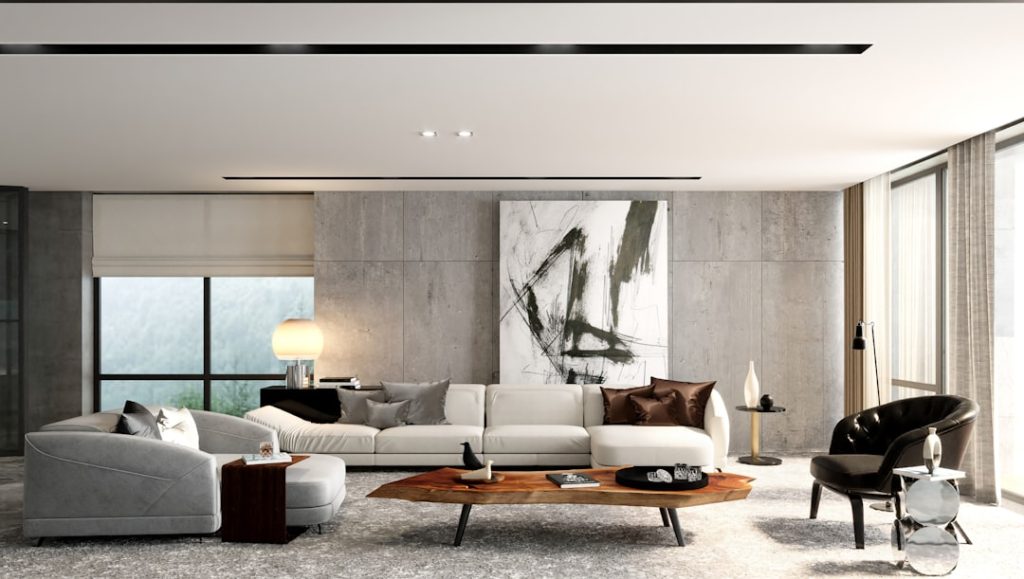
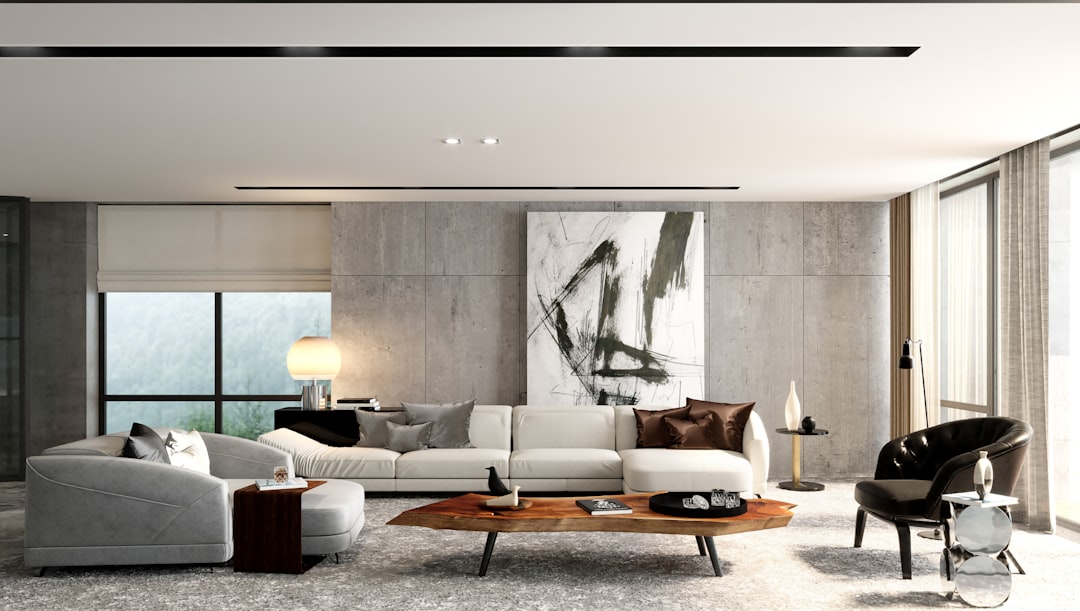
The visual component of real estate flyers cannot be overstated; high-quality images are essential for capturing attention and generating interest. Professional photography can showcase a property in its best light, highlighting its features and creating an inviting atmosphere. Images should be well-lit and composed, focusing on both interior spaces and exterior views.
Including images of key areas such as kitchens, living rooms, and outdoor spaces can help potential buyers envision themselves living in the home. In addition to standard photographs, incorporating floor plans or 3D renderings can provide additional context for prospective buyers. These visual aids allow potential buyers to understand the layout of the home better and visualize how they might utilize each space.
When selecting images for a flyer, it’s crucial to choose those that evoke emotion and tell a story about the property. A stunning sunset view from the backyard or a cozy reading nook bathed in natural light can create an emotional connection that encourages buyers to take action.
Tips for Creating an Eye-Catching Real Estate Flyer
Creating an eye-catching real estate flyer requires attention to detail and an understanding of design principles. One effective strategy is to use contrasting colors for text and background elements to ensure readability while also drawing attention to important information. For example, using dark text on a light background or vice versa can make key details stand out without overwhelming the viewer.
Another tip is to utilize white space effectively; this helps prevent clutter and allows important information to breathe on the page. A flyer that is too busy may deter potential buyers from engaging with its content. Additionally, incorporating bullet points or short paragraphs can make information easier to scan quickly.
Using engaging headlines or taglines can also pique interest and encourage readers to delve deeper into the flyer’s content.
The Importance of Call-to-Action in Real Estate Flyers
A compelling call-to-action (CTA) is essential in any marketing material, including real estate flyers. A well-crafted CTA prompts potential buyers to take specific actions that move them closer to making a purchase decision. Phrases such as “Schedule a tour today!” or “Contact us for more information!” create urgency and encourage immediate engagement.
Without a clear CTA, even the most beautifully designed flyer may fail to convert interest into action. In addition to direct CTAs, incorporating incentives can further motivate potential buyers. For instance, offering limited-time promotions such as reduced closing costs or complimentary home inspections can create a sense of urgency that prompts quicker decision-making.
By clearly articulating what steps interested parties should take next and providing incentives for doing so, real estate professionals can significantly enhance their chances of closing deals.
Examples of Stunning Homes for Sale Featured in Real Estate Flyers
Real estate flyers often showcase some of the most stunning homes on the market, serving as visual representations of what potential buyers can expect. For instance, consider a luxurious waterfront property featuring expansive views of the ocean; its flyer might highlight not only its breathtaking exterior but also its state-of-the-art kitchen and spa-like bathrooms through high-quality images that evoke feelings of tranquility and luxury. Another example could be a charming historic home located in a vibrant neighborhood known for its arts scene; its flyer might emphasize original architectural details alongside modern updates that appeal to both history enthusiasts and contemporary buyers alike.
By showcasing these unique aspects through compelling visuals and engaging descriptions, real estate flyers can effectively communicate the allure of each property while enticing potential buyers to explore further. In conclusion, real estate flyers are an indispensable tool for marketing properties effectively. By understanding how to design them thoughtfully and incorporate essential information alongside high-quality visuals, real estate professionals can create impactful marketing materials that resonate with potential buyers and drive sales success.